


The Low Vision Lab
The Low Vision Lab specializes in low vision and its rehabilitation and collaborates with researchers from around the country to explore issues in this field. The research is mainly focused on ocular structure-function relationships, epidemiology of vision impairment, evidence-based clinical practice and translational research in vision testing and enhancement technologies.
Participate People Ongoing Research Presentations Publications Support Low Vision Research
The lab has multiple ongoing projects, here are our current studies.
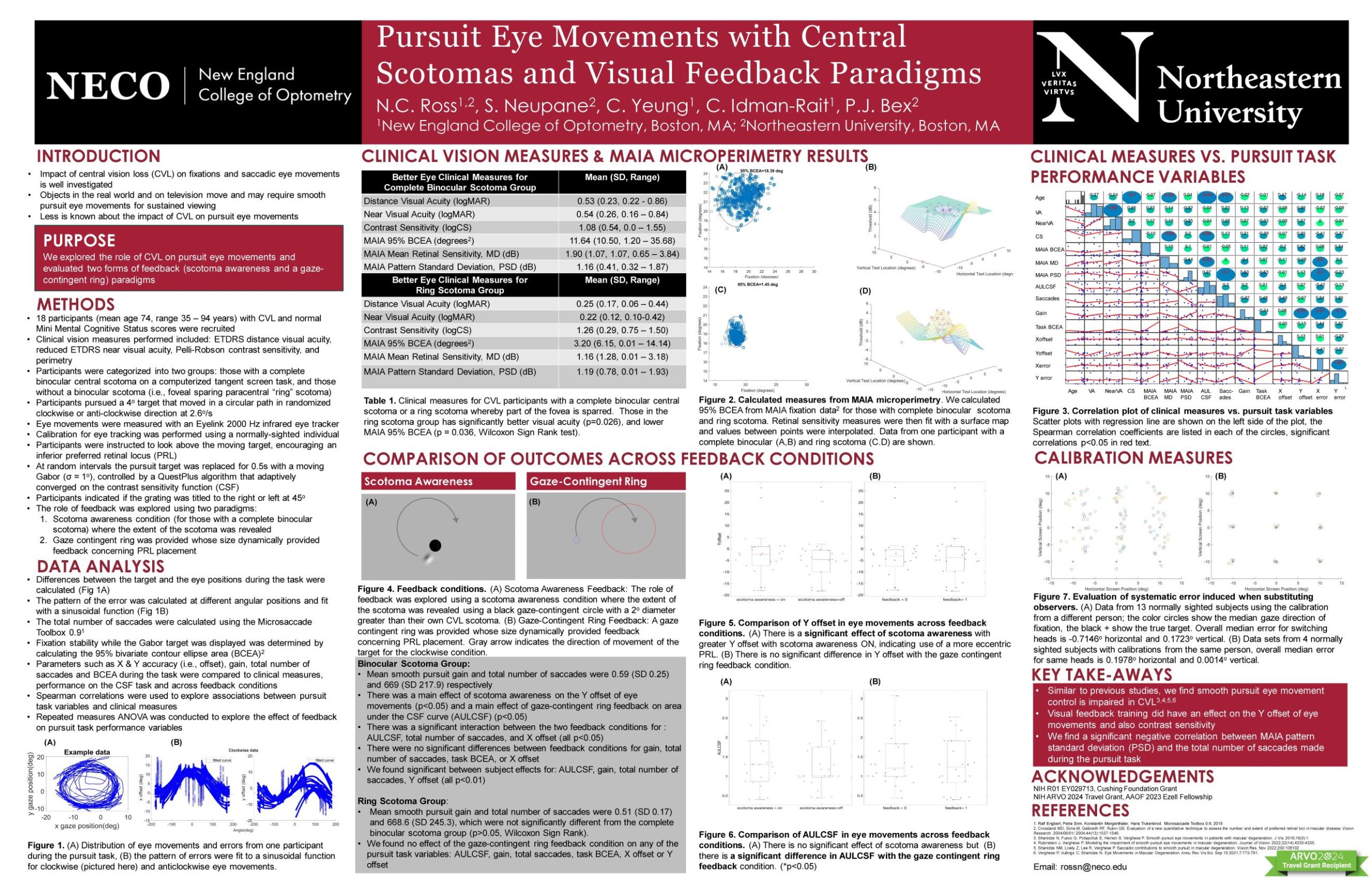
In patients with low vision and central vision loss, when foveal function is lost patients adopt a preferred retinal locus. This preferred retinal locus (PRL) can develop rather quickly. However, research indicates characteristics of location, stability, and performance of the PRL may change depending on the task the patient is performing and the direction of gaze. This study explores properties of PRL location, visual function and eye movements in patients with low vision. This is a project the lab is conducting in concert with researchers at Northeastern University.
The study is another collaboration with UCLA and funded by the NIH/NEI and The American Academy of Optometry. It is an investigation in how patients interact with a newly-issued magnifier over a four-month period. A Bluetooth beacon sensor is attached to the magnifier to see how often the device is used and the length of usage. Participants are randomized to get trained on the device in-office or remotely by videoconferencing for an additional investigation in the efficiency of telerehabilitation compared to an in-person visit.
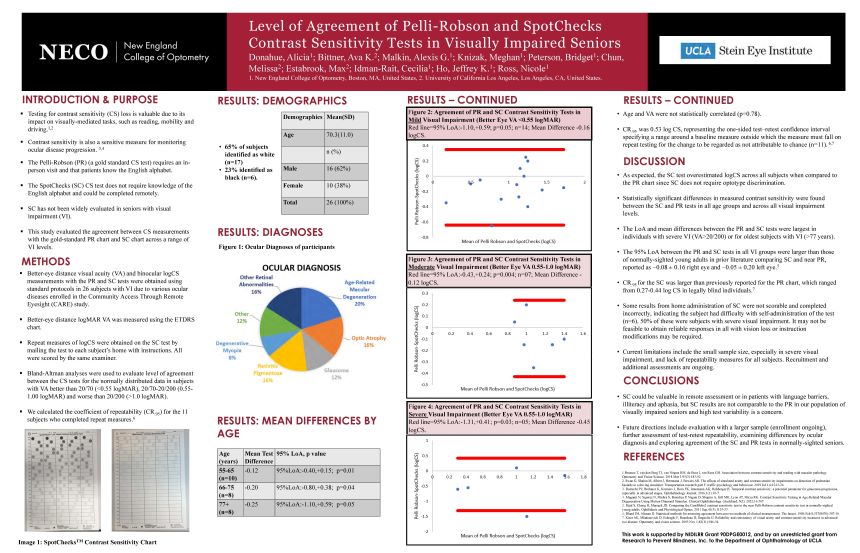
The Pelli-Robson is a gold standard test for contrast sensitivity but requires an in-person visit and that patients know the English alphabet. The SpotChecks™ test does not require this and may be feasible for remote completion. The test has not yet been widely evaluated in people with visual impairment. This study seeks to evaluate the agreement between contrast sensitivity measurements obtained by Pelli-Robson and SpotChecks™ charts across a range of levels of visual impairment and in normally-sighted controls.
This project is being conducted in collaboration with the Massachusetts Commission for the Blind, to explore individual factors associated with successful vocational and social vision rehabilitation services. We also are exploring factors associated with utilization of MCB services, and uptake rates of services by county and other demographics.
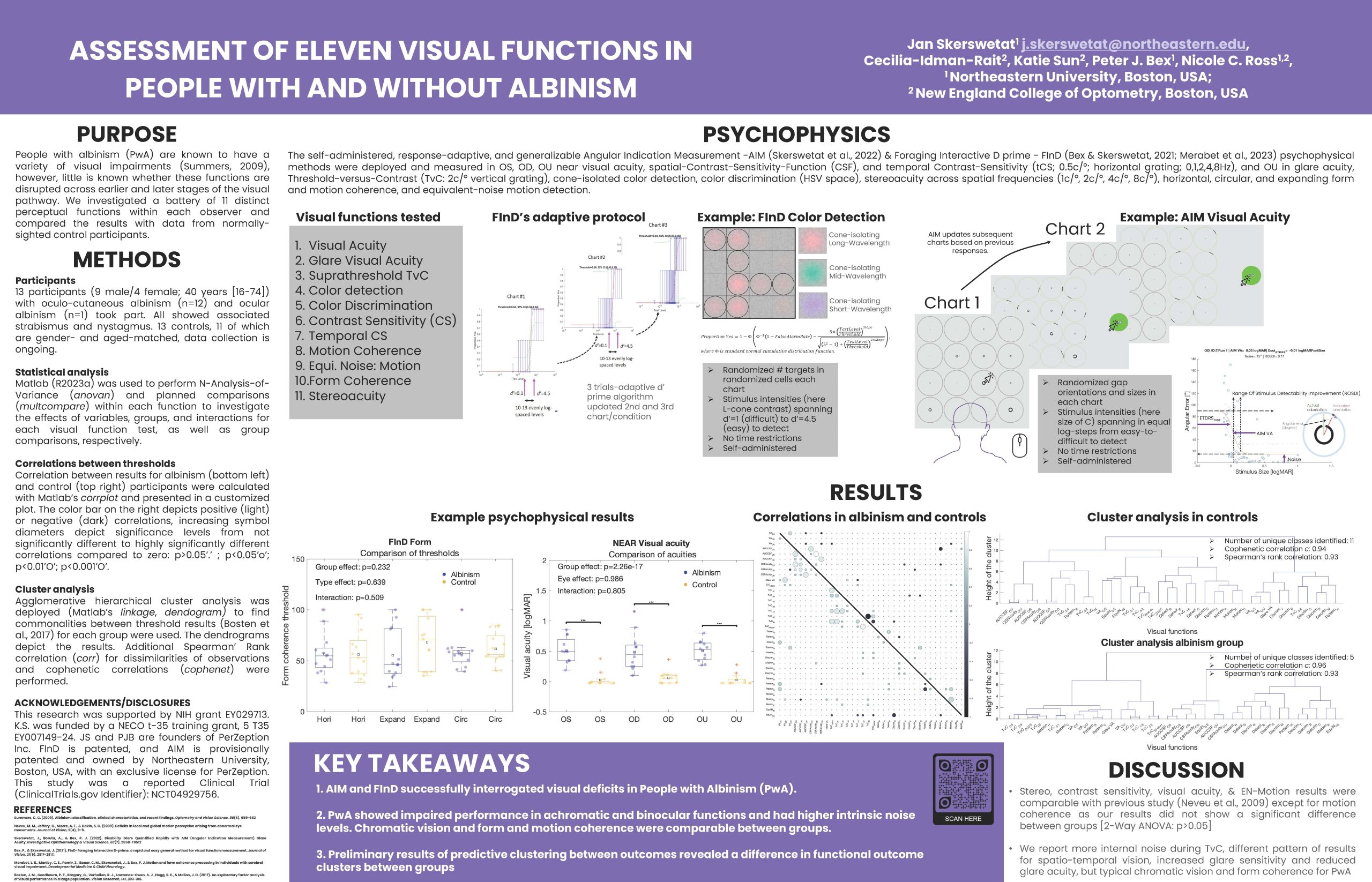
This project is a collaboration with researchers at Northeastern University. The study explores visual function in individuals with ocular and oculocutaneous albinism.
Faculty
 |
Nicole Ross, OD, MSc, FAAO, DAAO(LV) is an attending optometrist at NECO Center for Eye Care, Commonwealth; the Perkins School for the Blind; and the Carroll Center for the Blind. She teaches Low Vision Rehabilitation and Advanced Ocular Disease classes at NECO and is currently a PhD candidate at Northeastern University. Her research interests include ocular structure-function relationships, epidemiology of vision impairment, evidence-based clinical practice and translational research in vision testing and enhancement technologies. |
 |
Alexis G. Malkin, OD, FAAO practices at BU Eye Associates, Boston Medical Center, and Cotting School. She is the Director of low vision residency and concentration programs, teaches in the Low Vision Rehabilitation course and contributes on various research projects at the lab. She is particularly interested in clinical research to better understand outcome measures and improved access to low vision care. |
 |
Jeffrey Ho, OD, FAAO practices at Dimock Community Health Center in Roxbury. He teaches in the Low Vision Rehabilitation and Ocular Disease Principles, Advanced Surgical & Laser Procedures and Virtual Interactive Case Studies courses. Dr. Ho’s research interests are focused on low vision and the effects of technology on quality of life outcomes. |
 |
Micaela Gobeille, OD, MS, FAAO, DAAO(LV) is an attending optometrist at NECO Center for Eye Care, Commonwealth; the Carroll Center for the Blind; and BMC. She teaches Low Vision Rehabilitation and Ocular Disease Principles. Dr. Gobeille has published on low vision outcome measures and lectures nationally and internationally. |
 |
Jem Martin, OD practices at NECO Center for Eye Care, Commonwealth and Perkins School for the Blind. They are part of the teaching team for the Low Vision Rehabilitation class and they are interested in outcome measures and establishing evidence-based practices in caring for individuals with cerebral vision impairment. |
Staff
 |
Cecilia Idman-Rait, MPH Clinical Research Project Coordinator, Low Vision Rehabilitation Lab 2020-Present She is particularly interested in looking into the effects of loneliness in the visually-impaired population. |
 |
Pip Dorling, OD ’25 Low Vision Rehabilitation Resident, New England College of Optometry 2025-2026 She is particularly interested in the use of visual function questionnaires in the low vision population as well as improving access to low vision care. |
Current Students
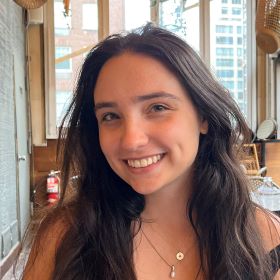 |
Erika Pacheco, OD Candidate 2026, has contributed to the CARE project. Her interests include researching tools to aid the visually impaired population to improve their quality of life. |
 |
Priyanshi Patel, OD Candidate 2026, joined the lab in 2022 and has been working on the CARE study. She is interested in the impact of low vision impairment on patients’ quality of life. She is also keen to explore projects focusing on innovations in low vision technology. |
 |
Olivia Wynn, OD Candidate 2026, has been contributing in the PRL study and upcoming CVI study. Her interests are in the vision development of patients with systemic and neurological disorders. |
 |
Chris Yeung, OD Candidate 2026, has joined the lab during his first year and has worked on the CARE study. He has a particular interest in technology and how it could be implemented to increase access to eye care as well as to improve the experience of low vision patients. |
 |
Annie Lancos, OD Candidate 2028, has been contributing to the upcoming CVI projects. She is interested in improving screening tools for identifying CVI in pediatric populations. |
Alumni
 |
Bethany Arabic, OD/MS ’25, has contributed to the CARE project. She is interested in researching how older adults with low vision perceive visual assistive smartphone applications. |
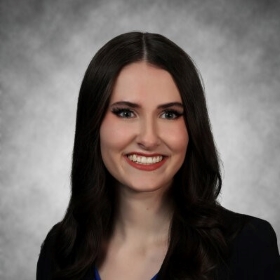 |
Allison Hyttinen, OD, Resident ’24 Attending Optometrist, Primary Care and Low Vision, Tufts Medical Center [email protected] |
 |
Meghan Knizak, OD ’24 |
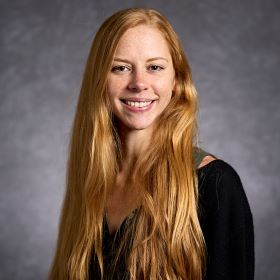 |
Bridget Peterson, OD ’24 Ocular Disease Resident, VA Boston Healthcare System, Providence Medical Center [email protected] |
 |
Maria Riaz, OD ’24/MS ’23 [email protected] |
 |
Jackie O’Connell, OD ’24 Low Vision Rehabilitation Resident, New England College of Optometry She is particularly interested in how socioeconomic factors and social determinants affect the care received by low vision patients. |
Measuring Outcomes
Low Vision Rehabilitation Delivered by a Mobile Clinic
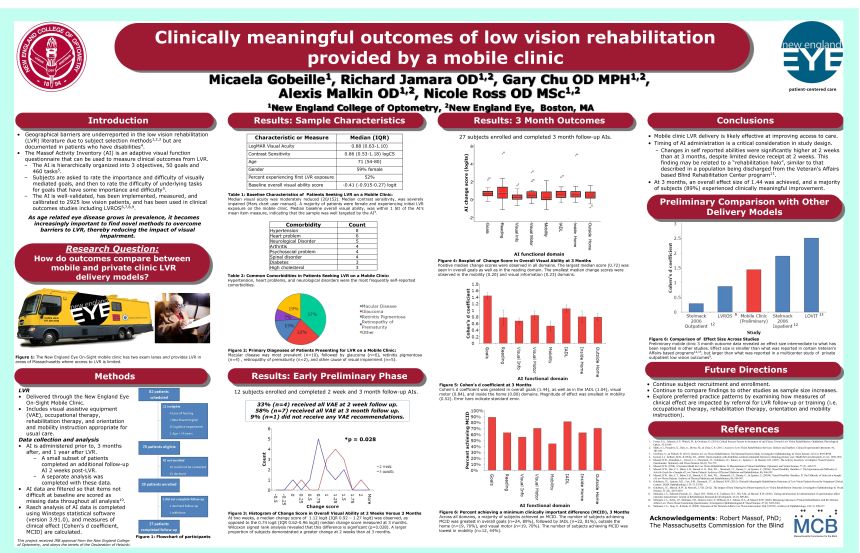
Research Question: How do patient outcomes compare between mobile and private clinic low vision rehabilitation delivery models? This study utilizes the activity inventory, a visual function questionnaire, to explore patient outcomes of low vision rehabilitation. We compare outcomes of a novel mobile clinic model vs. traditional in-office patient care delivery models.
Rasch analysis and targeting assessment of the teach-CVI survey tool in a cohort of CVI patients
Cerebral visual impairment (CVI), the leading cause of pediatric visual impairment in developed countries, affects visual processing beyond the primary visual cortex resulting in a heterogeneous presentation. Questionnaires, such as the TeachCVI screening tool, have been developed to screen for and/or guide clinical interviews to determine a diagnosis. This study is the first to explore psychometric properties of TeachCVI by applying Rasch analysis. It was found that TeachCVI is well targeted to our CVI sample meaning estimated item and person measures demonstrated similar distributions. Person and item measure infit distributions demonstrate unidimensionality. We further find that demographic variables, service provision, and vision function measures, including acuity, do not influence the latent trait, visual ability, as measured by TeachCVI person measures.

Assistive Technology & Devices
Community Access through Remote Eyesight (CARE)
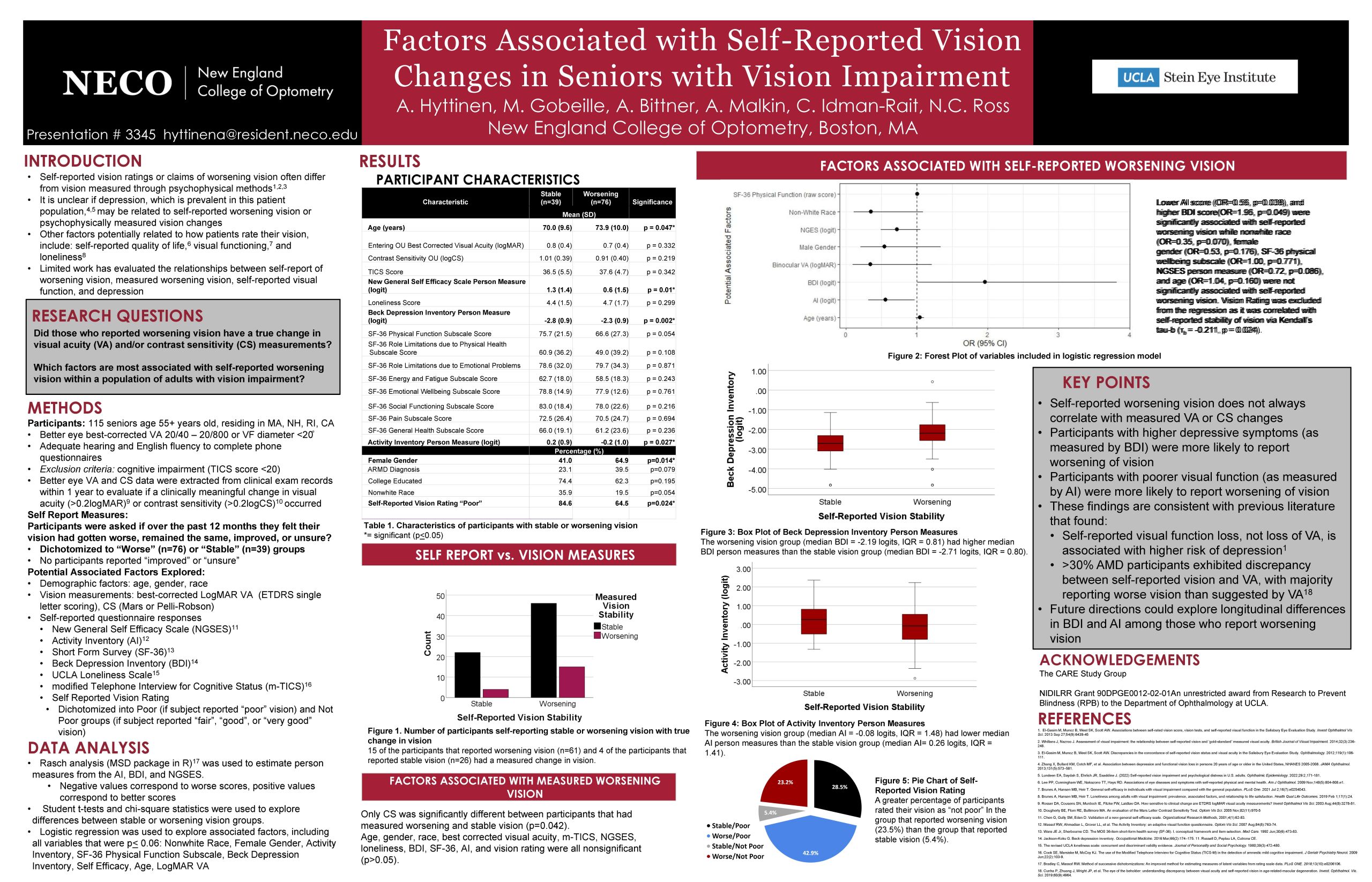
This NIDILRR-funded project was a collaboration with Stein Eye Institute at UCLA. We examined the outcomes of using three visually-assistive smartphone apps by seniors with visual impairments. Participants were randomly assigned for six months to one of three apps: Aira (remote assistance with a live agent), Supervision+ (magnification), or Seeing AI (optical character recognition and additional features). They could then opt in for another three months using all study apps. Outcomes included mental and overall health, challenges with daily tasks, self-efficacy, and perceived loneliness, among others.
NECO Researches the Advancement in Assistive Technology
Evaluating the Role of Optical Character Recognition with Video Magnification
This project is funded by Eschenbach Optik and evaluates and compares reading performance using a desktop CCTV (video magnification) with and without supplemental Optical Character Recognition (OCR) in patients with macular disease. OCR is a technology that converts text from images into machine-readable text.
Examining Best Practices
Tele-rehabilitation for Low Vision (BeST-AID 1.0)
Researchers: Ava K. Bittner, OD, PhD, UCLA; Nicole Ross, OD, MS, NECO
Research Description: Most low vision patient consultations focus on near vision issues and the prescription of visual aids for reading. This study recruits patients who have recently been prescribed a low vision device for near tasks. Its aim is to compare the effectiveness of telerehabilitation follow-up training with in-person visits for device usage.
Exploring Blur Tolerance in Low Vision and Normally Sighted Patients
Researchers: Kayla Andrade, T-35 Recipient, OD Candidate 2019; Ian Bailey, MS OD, University California, Berkeley
Research Questions:
How does blur tolerance vary amongst individuals particularly in the low vision community? How does blur tolerance vary in the presence of varying ocular diagnosis, scotomas, and contrast sensitivity?
Assessing and Monitoring Vision Impairment Trends
Exploration of Factors Associated with Outcomes in Vocational and Social Rehabilitation Programs and Uptake of State Rehabilitation Services
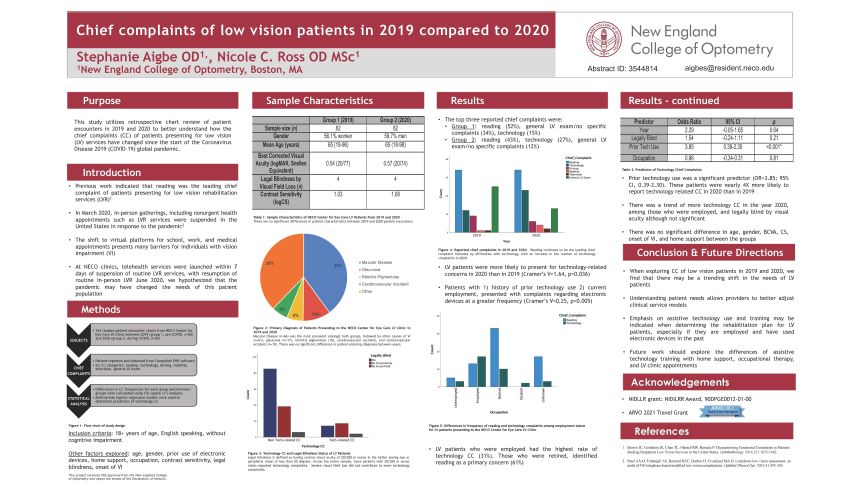
Vocational rehabilitation (VR) services aim to help legally blind individuals secure, regain or retain employment following vision loss, as rates of employment among legally blind VR consumers are reportedly low. We evaluated factors contributing to successful VR among individuals receiving services from the Massachusetts Commission for the Blind (MCB) to inform future improvements in services and outreach.
Understanding the Delta between Legal Blindness and Visual Impairments
This project examined the delta between the visually impaired individuals currently registered with the Massachusetts Commission for the Blind (MCB) and those who could potentially register, based on estimated prevalence and incidence data from various data sources. By identifying the number of people with low vision, the MCB can better prepare to meet the anticipated demand for low vision rehabilitation services in the near future.
Insights Regarding Optometric Findings of CHARGE Syndrome in a Pediatric Low Vision Clinic
This retrospective study reviewed ocular findings and visual function measures from low vision evaluations of patients with CHARGE syndrome (named for common findings-coloboma, heart defects, atresia of choanae, retardation of growth and development, genital hypoplasia, and ear anomalies), which may influence their multidisciplinary management.




- Martin J, Bradley C, Kran BS, Ross NC. Rasch analysis and targeting assessment of the teach-CVI survey tool in a cohort of CVI patients. Front Ophthalmol (Lausanne). 2024 Nov 29;4:1495000. doi: 10.3389/fopht.2024.1495000. PMID: 39677967; PMCID: PMC11638165. https://pmc.ncbi.nlm.nih.gov/articles/PMC11638165/
-
Gobeille, M., Bittner, A.K., Malkin, A.G. et al. Rasch analysis of the new general self efficacy scale: an evaluation of its psychometric properties in older adults with low vision. Health Qual Life Outcomes 22, 90 (2024). https://doi.org/10.
1186/s12955-024-02306-2 - Jan Skerswetat, Nicole Christie Ross, Cecilia Idman-Rait, Katie Sun, Olivia Wynn, Peter John Bex; Visual Performance of People With Albinism Assessed With Generalizable and Adaptive AIM and FInD Methods. Invest. Ophthalmol. Vis. Sci.2024;65(11):34. https://
doi.org/10.1167/iovs.65.11.34. - Bittner AK, Gobeille M, Malkin AG, Ho J, Idman-Rait C, Estabrook M, Ross NC; CARE Study Team. Life space limitations in visually impaired older adults. Optom Vis Sci. 2024 Jun 1;101(6):321-328. doi: 10.1097/OPX.0000000000002150. PMID: 38990234.
- Malkin AG, Bittner AK, Ho J, Idman-Rait C, Estabrook M, Ross NC; CARE Study Team. Factors related to training time and achieving proficiency with visual-assistive mobile applications in visually impaired older adults. Optom Vis Sci. 2024 Jun 1;101(6):351-357. doi: 10.1097/OPX.0000000000002135. Epub 2024 May 31. PMID: 38820379.
- Malkin, Alexis G. OD, FAAO; Ross, Nicole C. OD, MSc, FAAO; Chun, Melissa W. OD, FAAO; Bittner, Ava K. OD, PhD, FAAO; for the CARE Study Team. Why Are Visual Assistive Mobile Applications Underused by Low Vision Patients?. Optometry and Vision Science 99(4):p 333-334, April 2022. | DOI: 10.1097/OPX.0000000000001893
- Bittner AK, Kaminski JE, Ross NC, et al. Telerehabilitation Training to Facilitate Improved Reading Ability with New Magnification Devices for Low Vision. Optom Vis Sci. 2022;99(10):743-749. doi:10.1097/OPX.0000000000001944 https://journals.lww.com/optvissci/pages/articleviewer.aspx?ear=2022&issue=10000&article=00003&type=FulltextBittner AK, Yoshinaga PD, Shepherd JD, et al. Acceptability of Telerehabilitation for Magnification Devices for the Visually Impaired Using Various Approaches to Facilitate Accessibility. Transl Vis Sci Technol. 2022;11(8):4. doi:10.1167/tvst.11.8.4 https://tvst.arvojournals.org/article.aspx?articleid=2783534
- Deffler RA, Xu J, Bittner AK, et al. Use and Perceptions of Advanced Driver Assistance Systems by Older Drivers With and Without Age-Related Macular Degeneration. Transl Vis Sci Technol. 2022;11(3):22. doi:10.1167/tvst.11.3.22 https://tvst.arvojournals.org/article.aspx?articleid=2778680
- Malkin AG, Ross NC, Chun MW, Bittner AK; CARE Study Team. Why Are Visual Assistive Mobile Applications Underused by Low Vision Patients?. Optom Vis Sci. 2022;99(4):333-334. doi:10.1097/OPX.0000000000001893 https://journals.lww.com/optvissci/Fulltext/2022/04000/Why_Are_Visual_Assistive_Mobile_Applications.4.aspx
- Bowman B, Ross NC, Bex PJ, Arango T. Exploration of dynamic text presentations in bilateral central vision loss. Ophthalmic Physiol Opt. 2021;41(6):1183-1197. doi:10.1111/opo.12881 https://onlinelibrary.wiley.com/doi/abs/10.1111/opo.12881
- Costa K, Skerswetat J, Be PJ, Ross N; The effect of auditory feedback on perceptual and oculomotor performance in a gaze-contingent simulated scotoma paradigm. Journal of Vision 2021;21(9):2995. doi: https://jov.arvojournals.org/article.aspx?articleid=2777492
- Arango T, Ross N, Bex PJ; Fixation characteristics with Central Vision Loss at different gaze postures in a CSF task. Journal of Vision 2020;20(11):1574. doi: https://jov.arvojournals.org/article.aspx?articleid=2771279
- Malkin AG, Ross NC, Chan TL, Protosow K, Bittner AK. U.S. Optometrists’ Reported Practices and Perceived Barriers for Low Vision Care for Mild Visual Loss. Optom Vis Sci. 2020;97(1):45-51. doi:10.1097/OPX.0000000000001468 https://pubmed.ncbi.nlm.nih.gov/31895277/\
- Deemer AD, Swenor BK, Fujiwara K, et al. Preliminary Evaluation of Two Digital Image Processing Strategies for Head-Mounted Magnification for Low Vision Patients. Transl Vis Sci Technol. 2019;8(1):23. Published 2019 Feb 28. doi:10.1167/tvst.8.1.23 https://pubmed.ncbi.nlm.nih.gov/30834171/
- Hassan SE, Ross NC, Massof RW, Stelmack J. Changes in the Properties of the Preferred Retinal Locus with Eccentric Viewing Training. Optom Vis Sci. 2019;96(2):79-86. doi:10.1097/OPX.0000000000001324 https://journals.lww.com/optvissci/Fulltext/2019/02000/Changes_in_the_Properties_of_the_Preferred_Retinal.2.aspx
- Deemer AD, Bradley CK, Ross NC, et al. Low Vision Enhancement with Head-mounted Video Display Systems: Are We There Yet?. Optom Vis Sci. 2018;95(9):694-703. doi:10.1097/OPX.0000000000001278 https://pubmed.ncbi.nlm.nih.gov/30153240/
- Gobeille MR, Malkin AG, Jamara R, Ross NC. Utilization and Abandonment of Low Vision Devices Prescribed on a Mobile Clinic. Optom Vis Sci. 2018;95(9):859-864. doi:10.1097/OPX.0000000000001267. https://pubmed.ncbi.nlm.nih.gov/30169360/
- Bittner AK, Yoshinaga P, Bowers A, Shepherd JD, Succar T, Ross NC. Feasibility of Telerehabilitation for Low Vision: Satisfaction Ratings by Providers and Patients. Optom Vis Sci. 2018;95(9):865-872. doi:10.1097/OPX.0000000000001260 https://pubmed.ncbi.nlm.nih.gov/30169361/
- Gobeille M, Malkin A, Jamara R, Ross NC. Clinical outcomes of low vision rehabilitation delivered by a mobile clinic. Ophthalmic Physiol Opt. 2018;38(2):193-202. doi:10.1111/opo.12440 https://pubmed.ncbi.nlm.nih.gov/29485207/
- Goldstein J, Ross N, Gold D, Kheradmand A. Visual, Ocular Motor, and Vestibular Deficits. In Stroke Recovery and Rehabilitation, Second Edition, Eds. Stein J, et al. Demos Medical 2014. DOI:10.1891/9781617051708.0018 https://connect.springerpub.com/content/book/978-1-6170-5170-8/part/part03/chapter/ch18
- Apfelbaum HL, Ross NC, Bowers AR, Peli E. Considering Apical Scotomas, Confusion, and Diplopia When Prescribing Prisms for Homonymous Hemianopia. Transl Vis Sci Technol. 2013;2(4):2. doi:10.1167/tvst.2.4.2 https://tvst.arvojournals.org/article.aspx?articleid=2120955
- Ross NC, Bowers AR, Peli E. Peripheral prism glasses: effects of dominance, suppression, and background. Optom Vis Sci. 2012;89(9):1343-1352. doi:10.1097/OPX.0b013e3182678d99 https://journals.lww.com/optvissci/Abstract/2012/09000/Peripheral_Prism_Glasses__Effects_of_Dominance,.17.aspx
- Bowman B, Ross NC, Bex PJ, Arango T. Exploration of dynamic text presentations in bilateral central vision loss. Ophthalmic Physiol Opt. 2021;41(6):1183-1197. doi:10.1111/opo.12881 https://onlinelibrary.wiley.com/doi/abs/10.1111/opo.12881

Participate in our Research
If you are interested in contributing to the research at the Low Vision Lab
Contact Us
Nicole Ross, OD, MSc, FAAO, Dipl AAO LV
Principal Investigator
[email protected]
Location
NECO Center for Eye Care
930 Commonwealth Avenue
Boston, MA 02215
Directions

Stay in Touch!

Resources
From smart phone apps to state benefits, NECO’s Low Vision Lab is here to help you navigate the many resources available to you. Contact us if you have questions or want to know more about a specific resource. We’re here to help!