


How to See Clearly in Cold Weather
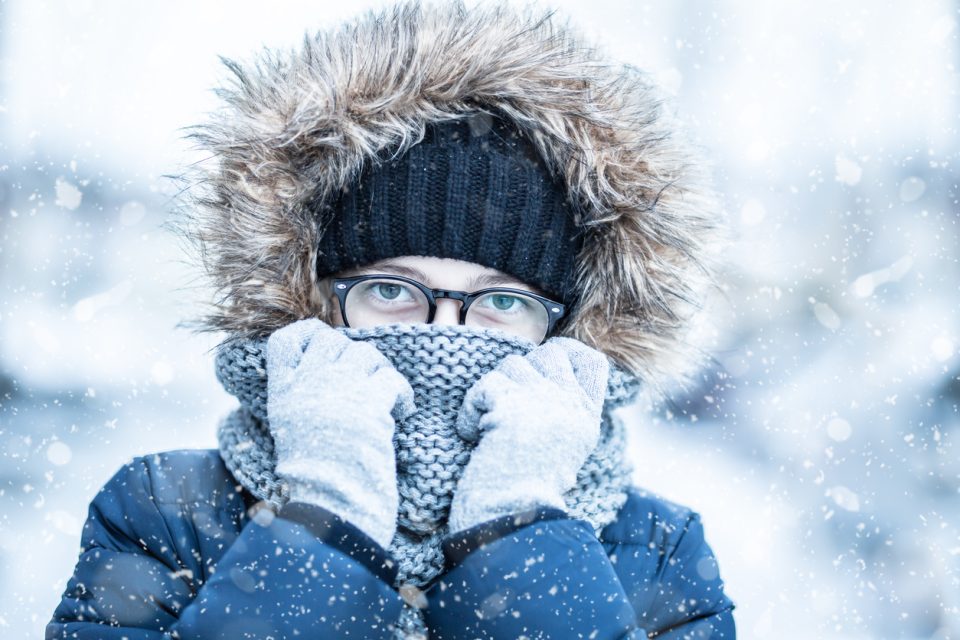
Living in the Boston area means temperatures have dropped and winter winds have picked up. Just like in the springtime, your eyes in winter are particularly vulnerable to the harsh environmental conditions. This cold winter weather may lead to a range of eye-related issues like reduced tear production or increased sensitivity.
The combination of winter conditions like cold temperatures, low humidity, and harsh winds can increase eye discomfort and potential ocular damage. However, it’s not just the conditions outside that can strip moisture from your eyes, the air inside your home may also lead to irritation.
Common Cold Weather Eye Problems
Both cold winds and indoor heating can dramatically reduce any moisture in the air. This may lead to uncomfortable dryness, itching, and a gritty sensation in and around the eye. Because of this dryness and irritation, the eye’s natural protective tear layer may become less effective. You may notice your eyes in winter are more sensitive to light or temperature changes compared to other times of the year. This is in part due to the increased dryness and decreased tear production.
Tips for Winter Eye Protection
There are easy steps you can take to prevent or improve any dry eyes or irritation. Make sure you’re staying hydrated throughout the day, it’s easy to forget to drink water when you’re cold, but your tear production can increase and your eyes will be less itchy when staying properly hydrated. Additionally, trying over-the-counter artificial tears or lubricating eye drops may help to combat dryness. You can even try a humidifier in your home to increase moisture. It’s important to remember that taking regular breaks from screens is shown to increase tear production and improve irritation.

If you’re braving the elements outside, consider wearing wraparound sunglasses or other protective eyewear to help shield your eyes from harsh winds. Make sure any sunglasses you wear have added UV protection, because that winter sun can be surprisingly intense.
What does the Optometrist Say?
It’s important to remember the best way to treat your eyes is to get a comprehensive eye exam from an eye doctor for best results. If your symptoms are interrupting daily life or making it difficult to get tasks done, you should make an appointment with an optometrist to help treat and prevent things from getting worse.

“I often see patients in the clinic with extremely dry eyes,” shares Aurora Denial OD, Dipl AAO OE Professor of Optometry and Chair of Clinical Education & Clinical Sciences Department at NECO. “Patients sometimes forget that winter can be just as harsh on the eyes as springtime allergies. Eye drops and warm compresses typically work the fastest and provide the quickest relief.”
The winter months may mean harsh weather with cold temperatures and frigid winds, but that doesn’t mean your vision needs to suffer. Your eyes need protection from the elements just like the rest of your body, so keep in mind the easy ways you can keep vision clear this time of year.
If you are struggling with dry, itchy eyes, request an appointment at the NECO Center for Eye Care today!

