

Braille Literacy in Today’s World
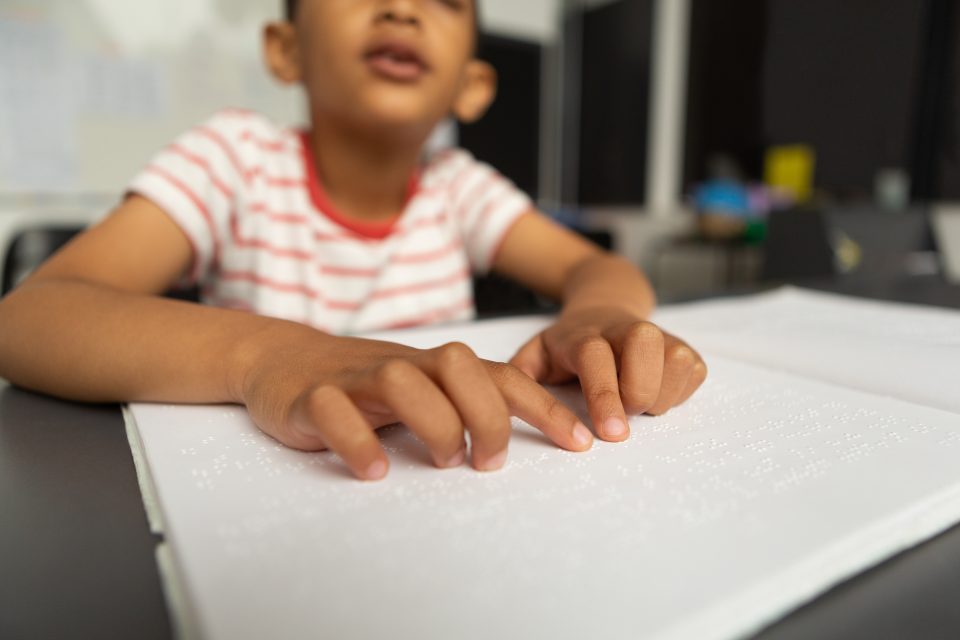
Braille was invited in the 1820s by Louis Braille. The system was created to support those with vision impairments read and write just as effectively as their sighted peers. Research proves braille literacy attributes to a better quality of life despite the system being over 200 years old. While technology and the rise of audio aids have increased, braille remains a key learning tool for millions of people around the world.
For sighted individuals, braille may seem like an outdated tool that has passed its prime. However, people with vision loss, blindness, or deafblindness still utilize braille to access a world that is geared towards visual dependance. Despite being over 200 years old, braille is a tactile system that continues to support millions of people around the world to read and write. Braille is a necessary resource for individuals who can’t otherwise access print language in learning all aspects of language literacy.
Braille was invented by Louis Braille in France during the 1820s. The system is made of six raised dots that are organized into “cells” representing a letter, word, combination of letters, a number, or a punctuation mark. Today, braille continues to evolve to meet the needs of current users. According to Perkins School for the Blind, technology now includes interactive electronic braille displays. These devices connect to computers and tablets to deliver braille outputs that can refresh on screens. Additionally, stand-alone devices, like BrailleNote, have refreshable braille on the screen that allow users to read hundreds of different books without larger printed brailled copies.

“Early braille education is crucial to overall literacy, education, and employment among the blind community,” says NECO’s Clinical Research Project Coordinator Cecilia Idman-Rait, MPH. “Even with the evolution of new technologies, braille remains vital for other aspects of written language that are less accessible through audio alone.”
What Does the Research Say?
A study conducted in Washington state revealed that individuals who learned braille at an early age performed as well as, or even better than, their sighted peers in areas such as vocabulary and comprehension. In another study, it was estimated that of the 85,000 blind adults in the US, 90% of those who are braille-literate are employed, compared to 33% employment for those who do not know braille. This highlights that early education and intervention with this tool has a significant impact on a person’s quality of life and that braille remains as essential as print is to the sighted.
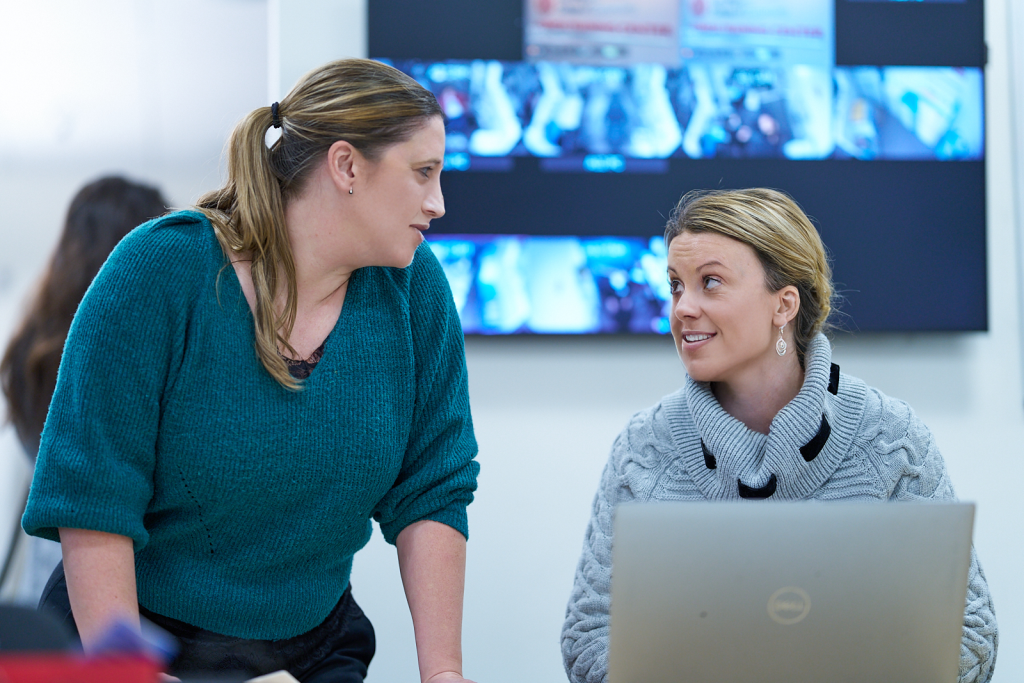
“Tactile aids like braille make life easier for the millions of people who use it,” shares Dr. Nicole Ross, Associate Professor of Optometry and Attending Optometrist at Perkins School for the Blind, the Janet LaBreak Center for Low Vision Rehabilitation at NECO Center for Eye Care, and The Carroll Center for the Blind. “Despite lower rates of people learning the tool, its usage and delivery continues to evolve. At NECO Center for Eye Care, we often come across younger individuals who greatly benefit from working with their teacher for the visually impaired on using braille.”
NECO’s Braille Connection
NECO is familiar with accessibility tools for individuals with visual impairments. In fact our Low Vision Lab has a dedicated team of specialists and researchers who focus on the integration of accessibility tools and therapies to improve the quality of life for people living with low vision. Additionally, NECO’s Janet LaBreck Center for Low Vision Rehabilitation welcomes patients from around the country who seek services and treatment to maximize visual function. While an Optometrist won’t teach you braille, they can assist in the coordination of rehabilitation services, and support you in navigating and accessing the available services, including braille resources.
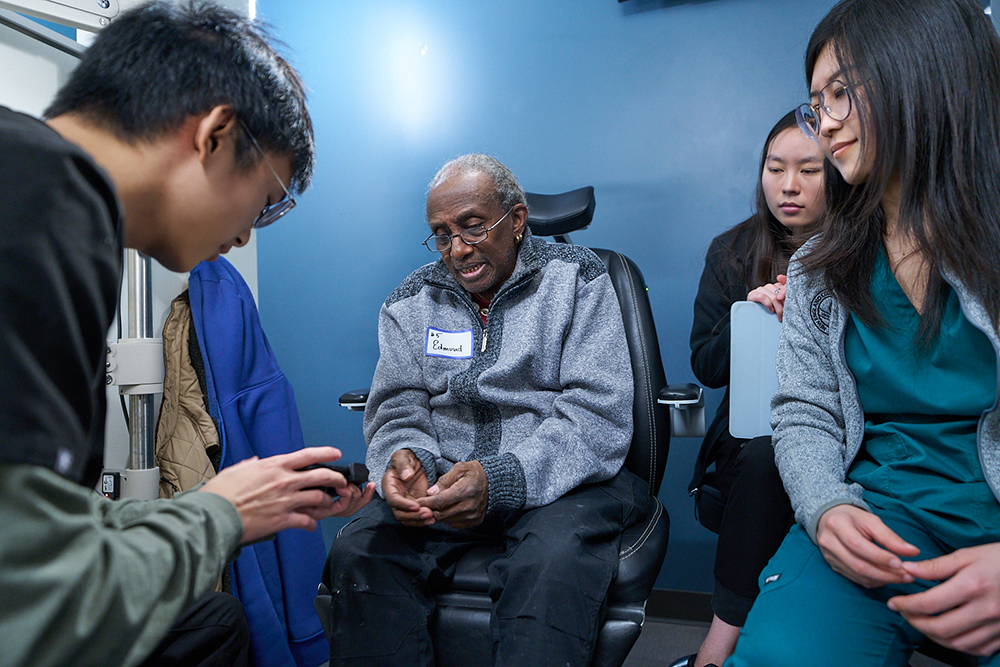
“Optometrists will advocate for and educate patients about the services of a Teacher for Students with Visual Impairments (TVI) who can fully evaluate and provide instruction on braille,” explains Dr. Jem Martin, Attending Optometrist at Perkins School for the Blind and NECO Center for Eye Care. “During low vision appointments at NECO, providers will check in with the patient regarding their different accommodations, and can provide support and insight from a visual perspective to ensure that the materials remain accessible and aligned with their goals.”
Integrative Assistive Aids
People aren’t always born with a vision impairment, sometimes other diseases can cause vision loss (like diabetes or glaucoma) at any point in their life. Vision loss can happen suddenly or slowly over time, but regardless of how and when someone loses vision there are many tools and resources to help live a fulfilling life. Sometimes for older adults, or those with cognitive challenges, learning braille can prove difficult due to the loss of tactile functioning or if they have already integrated alternative communication methods into their lives.
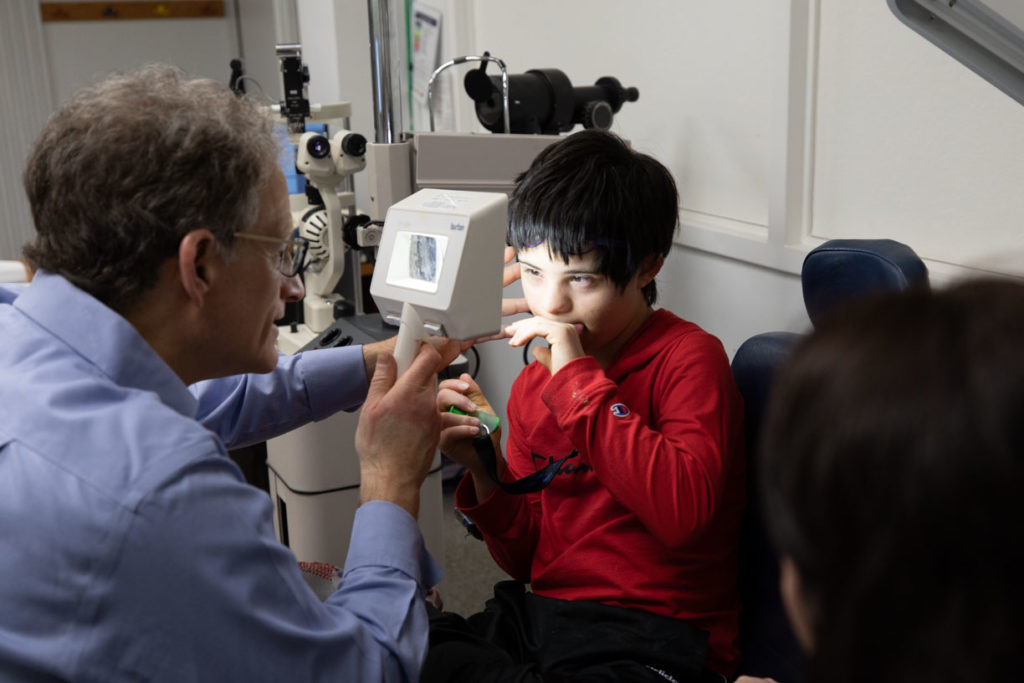
Photo courtesy of Perkins School for the Blind
“Using braille isn’t only about reading signs or menus, it’s about communication and independence. Braille remains a vital tool for those with both blind and deafblind,” explains Dr. Ross. “Assistive aids aren’t a one-size-fits-all approach. Every person’s needs and goals are different, so receiving a personalized rehabilitation care plan is key when considering all the available solutions.”

Photo Courtesy of Perkins School for the Blind
Other assistive aids may include handheld or stand magnifiers, prism systems for peripheral awareness, non-optical aids like screen readers or high-contrast materials all help to optimize vision. Working with our low vision rehabilitation team will help narrow down your goals and come up with a plan that works best for you. Braille is one tool in this toolbox, and continues to positively impact people living with visual impairments around the world.
If you or someone you know is struggling with vision loss, NECO Center for Eye Care and our Center for Low Vision Rehabilitation may be able to help. Contact us to make an appointment and speak to our specialists.