

Principal Investigator
Investigating the Potential Biomarker for Ocular Surface Diseases in Diabetes Mellitus and Contact Lens Wearing Population
-

- Assistant Professor of Biomedical Sciences and Disease
Masters Students

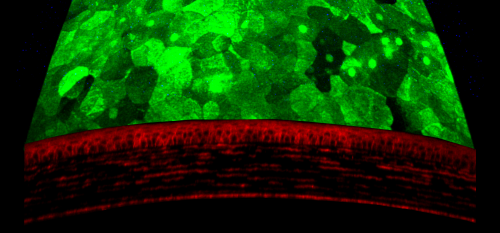
Grace Orallo, a dual-degree student pursuing both her OD (Class of 2028) and a master’s degree, is conducting a thesis project that investigates how defined environmental stressors impact the ocular surface. Her research involves validating a novel Dye Eye Chamber capable of independently modulating temperature, humidity, and airflow in a controlled, reproducible manner. Utilizing in vivo tear collection, immunohistochemistry, and confocal imaging, she assesses alterations in tear composition, corneal epithelial integrity, and immune cell responses. The goal of her work is to inform clinical strategies for preventing and managing environmentally triggered dry eye.

Valaree Villegas, a dual-degree student pursuing both her OD (Class of 2027) and a master’s degree, has been instrumental in our project by conducting a retrospective data analysis of the Standard Patient Evaluation of Eye Dryness (SPEED) survey. Her work focuses on critically examining the limitations and predictive utility of the SPEED questionnaire in assessing the prevalence and severity of Dry Eye Disease.
Student Research Assistants

Xin Yi Li, OD `26 Candidate
Xin Yi Li has contributed to our project that investigates the cellular signaling mechanisms triggered by neuroreceptors in the cornea and conjunctiva, specifically focusing on Substance P and Calcitonin Gene-Related Peptide. This research utilizes Type 2 Diabetes Mellitus (DM) mouse models under varying conditions, including desiccation stress and contact lens wear. Additionally, Xin Yi Li’s work delves into understanding how these neuroreceptor-mediated changes affect the ocular cytoskeleton and tight junction integrity, as well as influence the ocular surface’s microbial environment in Type 2 DM models.

Nahomy Nelson, an OD Candidate for 2027, has made significant contributions to our project focused on cellular signaling mechanisms in human conjunctival neuroreceptors. This research particularly emphasizes the roles of Substance P and Vasoactive Intestinal Peptide. Utilizing in vitro cell cultures, her work involves studying human conjunctival goblet cells derived from cadaver tissues of both diabetic and non-diabetic individuals. This approach provides valuable insights into the differential responses of these cells under diabetic conditions compared to normal states.

Sarah Krull, an OD + Master’s Candidate for 2027, plays a crucial role in our team as the animal facility manager and caretaker. Her expert management of the facility and attentive care for the animals are essential to maintaining the high standards of our research endeavors.

Valerie Winyuwongse, an OD Candidate for 2027, plays a crucial role in our team as the animal facility manager and caretaker. Her expert management of the facility and attentive care for the animals are essential to maintaining the high standards of our research endeavors.
Employing a multidisciplinary approach, Dr. Datta investigates the signaling mechanisms of neuroreceptors like Substance P and Calcitonin Gene-Related Peptide in the cornea and conjunctiva. The research utilizes Type 2 DM mouse models to explore the role of corneal nerves in para-inflammatory responses, focusing on their implications in DED and the overall ocular surface health.
Dr. Datta is dedicated to developing innovative treatments for DED, especially for diabetic patients. Current projects include creating bioactive contact lenses for targeted therapeutic delivery and formulating eye drops that formulating eye drops that target specific neuroreceptors to modulate immune responses at the ocular surface and enhance tear production modulate immune responses. These efforts aim to bridge the gap between systemic health issues and ocular conditions, enhancing patient care in optometry.

- Datta A, Li XY, Nagpaul M. Early expression of osteopontin glycoprotein on the ocular surface and in tear fluid contributes to ocular surface diseases in type 2 diabetic mice. PLoS One. 2024;19(10):e0313027. https://doi.org/1371/journal.pone.0313027
- Datta A, Tomiyama E, Richdale K. Microbial Bioburden of Orthokeratology and Hydrogel Contact Lenses and Storage cases using a Hydrogen-Peroxide Disinfecting System: A Pilot Study. Journal of Contact Lens Research and Science. Oct 2021. Vol 5 (1). Doi: https://doi.org/10.22374/jclrs.v5i1.43.
- Datta A, Richdale K, Tomiyama ES, et al. Near visual function measured with a novel tablet application in patients with astigmatism. Clin Exp Optom. 2020;104(1):42-47. https://doi.org/1111/cxo.13138
- Datta A, Lee J, Truong T, Lee JH, Horneman H, Flandrin O, Lee J, Kumar NG, Caspi R, Evans D J, Fleiszig S MJ. Contact lens-induced corneal parainflammation involving Ly6G+ cell infiltration requires IL-17A and γδ T cells. Ocul Surf. 2023 Feb 8;28:79-89. Doi: 10.1016/j.jtos.2023.02.004.
- Datta A, Lee JH, Flandrin O, Horneman H, Lee J, Metruccio M, Bautista D, Evans D J, Fleiszig S MJ. TRPA1 and TPRV1 Ion Channels are Required for Contact Lens-Induced Corneal Parainflammation and Can Modulate Levels of Resident Corneal Immune Cells. Investigative Ophthalmology & Visual Science August 2023, Vol.64, 21. Doi: https://doi.org/10.1167/iovs.64.11.21
- Datta A, Willcox MDP, Stapleton F. In vivo efficacy of silver-impregnated barrel lens cases along with disinfecting solution. Cont Lens Anterior Eye. 2021 Aug;44(4):101357. Doi: 10.1016/j.clae.2020.08.001.
Find the full publication list at PubMed Publications