


Understanding and Managing Dry Eye

Dry eye happens when your eyes don’t produce enough tears or when your tears don’t function properly. This can leave your eyes feeling uncomfortable and, in some cases, affect your vision. The good news is that dry eye is manageable, and there are many ways to keep your eyes healthy and comfortable.
Symptoms of Dry Eye
Dry eye can feel different for each person, but common signs include:
-
Scratchy or gritty feeling, like something is in your eye
-
Stinging or burning sensations
-
Red or irritated eyes
-
Sensitivity to light
-
Blurry vision
If you notice these symptoms regularly, it’s important to talk to your eye doctor.

Who Is at Risk?
Anyone can develop dry eye, but certain factors can increase your likelihood:
-
Being over 50 years old
-
Women, especially during pregnancy or menopause
-
Contact lens wearers
-
People who have had refractive surgery, such as LASIK
-
Certain medical conditions, including rheumatoid arthritis, rosacea, Sjögren syndrome, and other autoimmune diseases
-
Inflammation of the eyelids or eyelid conditions that prevent complete closure
-
Extended screen time or decreased blink rate
-
Environmental factors such as dry climates, smoke, or allergies
-
Certain medications, including antihistamines, decongestants, hormone therapy, antidepressants, and medications for high blood pressure, acne, birth control, or Parkinson’s disease

Spending long hours on computers, tablets, or smartphones can also contribute to dry eye symptoms.
Causes of Dry Eye
Tears are made by glands around your eyes to keep them moist. Dry eye can occur when:
-
Glands don’t make enough tears
-
Tears evaporate too quickly
-
Tears don’t function properly
These issues can leave your eyes feeling dry, irritated, or uncomfortable.

Diagnosing Dry Eye
Your eye doctor can check for dry eye during a comprehensive dilated eye exam. This may include:
-
Measuring the amount and thickness of your tears
-
Observing how quickly tears dry
-
Examining the structure of your eyelids

A proper evaluation ensures that you get the right treatment for your specific type of dry eye.
Treatment Options
Treatment depends on the severity and cause of your dry eye. Common approaches include:
-
Over-the-counter eye drops: Artificial tears, gels, and ointments can relieve mild dryness.
-
Prescription eye drops: Medicines like cyclosporine or lifitegrast can help your eyes produce more tears.
-
Lifestyle adjustments: Protect your eyes from smoke, wind, and air conditioning. Use a humidifier, limit screen time, wear wraparound sunglasses outside, stay hydrated, and get enough sleep.
-
Tear duct plugs: Special plugs can be inserted to help your tears stay on your eyes longer.
-
Surgery: In rare cases, eyelid surgery may help if loose eyelids are contributing to tear drainage.
Even if dry eye affects your daily life, following your eye doctor’s instructions and reporting persistent symptoms can make a big difference.
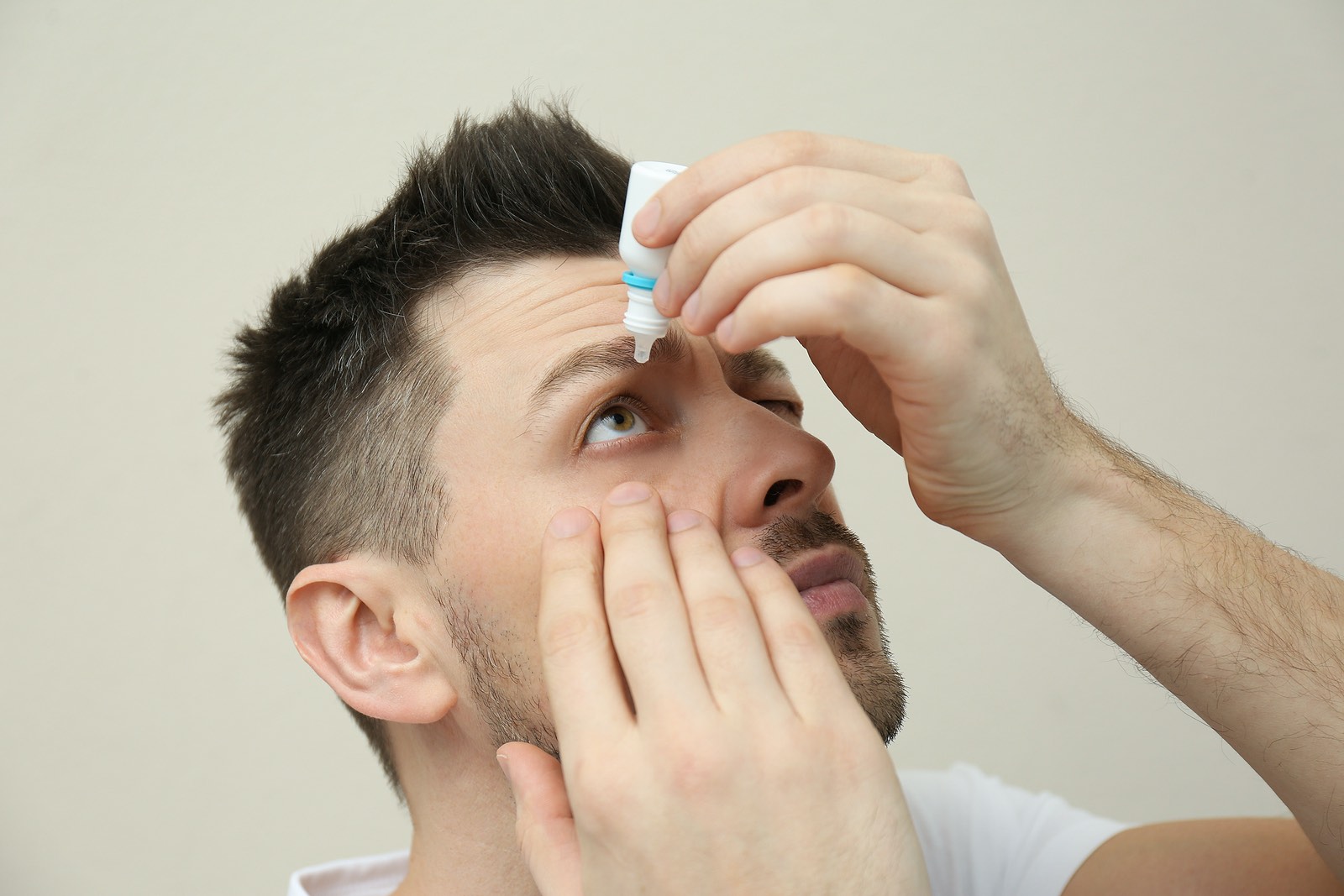
Keeping your eyes comfortable and healthy is possible with the right care. If you notice symptoms of dry eye, schedule an appointment with your eye doctor to find the treatment that’s best for you, and explore the educational resources provided by Prevent Blindness to stay informed.
More NECO News

