


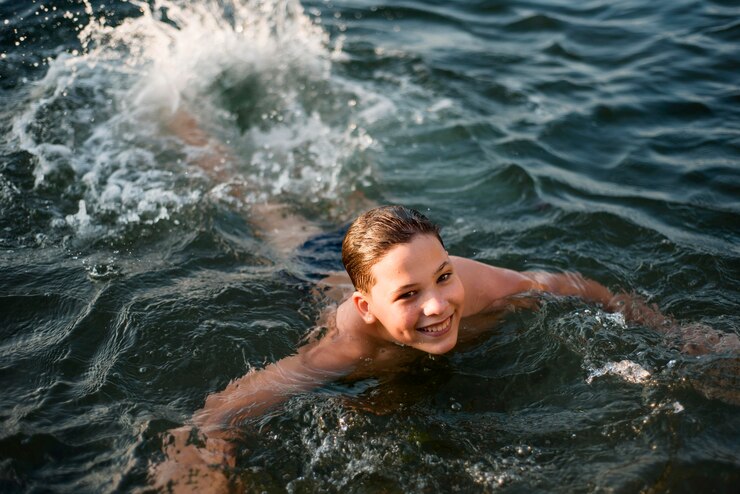

Splash Safely: Protecting Your Eyes While Swimming

As summer heats up, many of us are eager to cool off with a refreshing swim. Whether you’re diving into the ocean, pool, lake, or pond, it’s crucial to keep your eyes protected. Here’s what you need to know about maintaining healthy eyes while enjoying your aquatic adventures.
Ocular Risks of Swimming
Swimming can expose your eyes to various potential hazards:
- Chlorine Irritation
Pool chemicals can cause redness, burning, and temporary blurred vision. - Bacterial Conjunctivitis
Also known as “pink eye,” this infection thrives in warm, moist environments. - Acanthamoeba Keratitis
A rare but serious infection caused by an amoeba found in water, particularly in contact lens wearers. - UV Damage
Reflections from water surfaces can intensify harmful UV rays.
8 Tips for Protecting Your Eyes While Swimming
- Wear Goggles
Quality, well-fitting goggles create a protective barrier between your eyes and the water. - Remove Contact Lenses
Swimming with contacts increases infection risk. If necessary, use prescription goggles instead. - Rinse Your Eyes
After swimming, use clean water to flush out any irritants or chemicals. - Use Artificial Tears
Lubricating drops can help soothe and hydrate eyes after exposure to water or chemicals. - Wear Sunglasses
When out of the water, protect your eyes from UV rays with sunglasses that block 100% of UVA and UVB radiation. - Avoid Rubbing Your Eyes
This can introduce bacteria and irritants. If your eyes itch, use a clean, damp cloth to gently dab them. - Be Cautious in Natural Bodies of Water
Lakes and ponds may contain harmful microorganisms. Consider wearing goggles in these environments too. - Regular Check-ups
Visit your optometrist annually, or more frequently if you experience persistent eye issues after swimming.
An Optometrist’s Perspective
Many patients underestimate the impact of water activities on their eye health. NECO stresses the use of goggles and proper post-swim eye care. For contact lens wearers, we recommend daily disposables if they must wear lenses while swimming, though it’s best to avoid wearing them altogether.

By following these guidelines, you can enjoy your activities while keeping your eyes healthy and safe. Remember, if you experience persistent redness, pain, or vision changes after swimming, consult an eye care professional soon.

