

Caring For Your Eyes When You Have Diabetes
Living with diabetes means paying special attention to your overall health, and that includes your eyes. NECO wants to share some important information about protecting your vision and how you can take control over your condition. The good news is that with proper care and early treatment, most vision loss can be prevented.
Diabetes and Eye Exams
Diabetes affects how your body manages blood sugar, and it comes in two forms. Type 1 diabetes typically begins in childhood or young adulthood, where the body’s immune system attacks the pancreas, preventing it from making insulin—the hormone that controls blood sugar. It is recommended to get your first eye exam within five years of a diagnosis. Type 2 diabetes, which is more common, usually develops in adults when the body doesn’t use insulin properly. It is recommended to get your first eye exam shortly after diagnosis.
Understanding Diabetic Retinopathy
When diabetes affects your eyes, it most commonly leads to a condition called diabetic retinopathy. This condition develops gradually, often without warning signs, which is why regular monitoring is so crucial.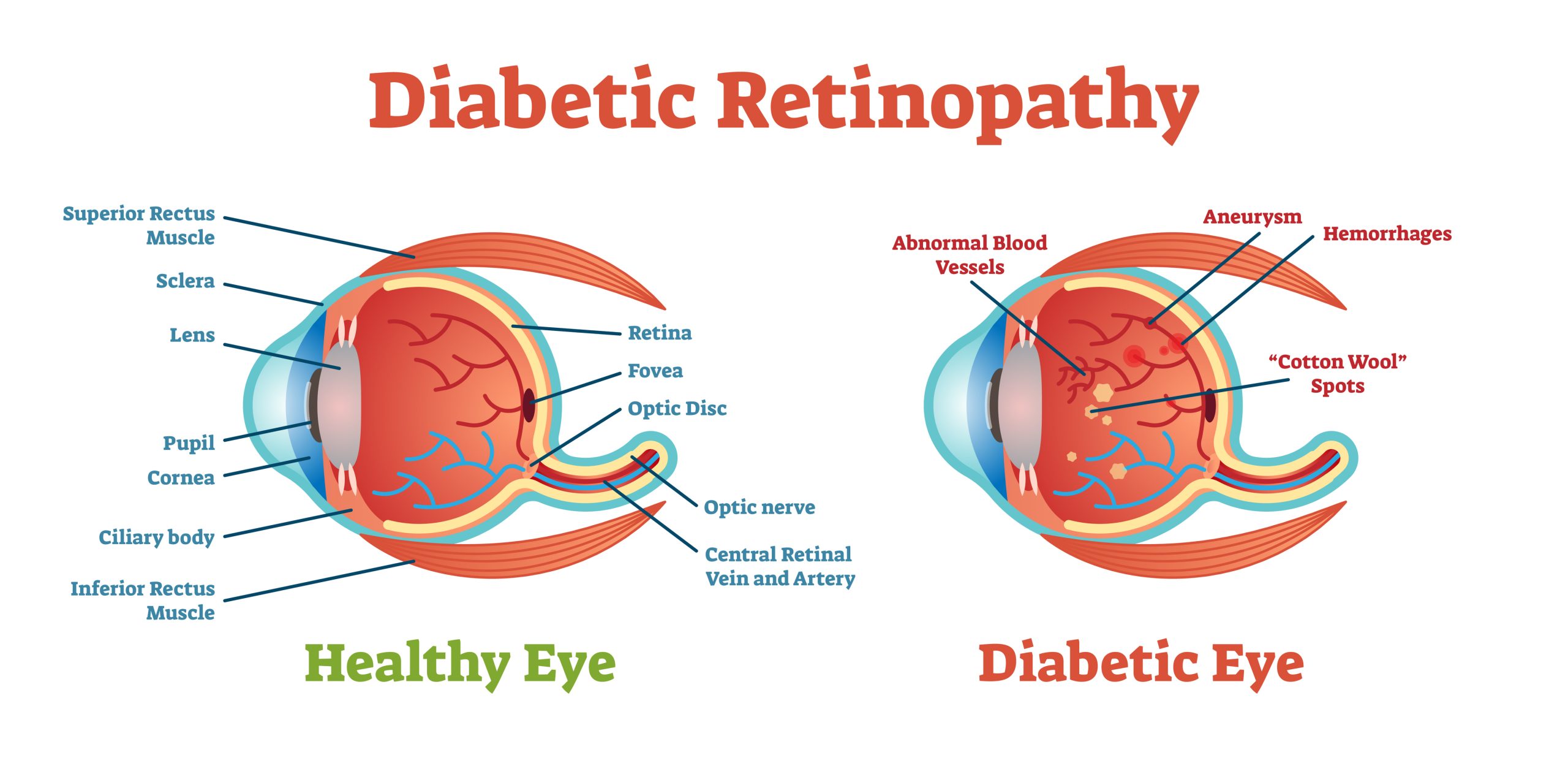
This condition affects your retina. The retina acts as a thin film in the back of your eye, capturing everything you see. Diabetes can affect this sensitive tissue in various ways as the condition progresses.
Stages of Diabetic Retinopathy
The progression of diabetic retinopathy typically follows two main stages. Understanding these stages can help you recognize changes and know what to expect.
Early Stage (Non-proliferative)
The blood vessels in your retina become weak and can form tiny bulges called microaneurysms. Some of these vessels might leak, causing small amounts of bleeding or fluid buildup. What makes this stage particularly tricky is that you might not notice any vision changes or pain, which is why regular check-ups are so important.
Advanced Stage (Proliferative)
Proliferative diabetic retinopathy is when the eye tries to solve the problem by growing new blood vessels. Unfortunately, these new vessels are fragile and prone to leaking. They can bleed easily and form scar tissue that pulls on your retina. You may start noticing changes in your vision, such as blurriness, floating spots, or patches of darkness.
While these stages might sound concerning, remember that early detection makes a significant difference in treatment success.
Common Symptoms
Being aware of potential warning signs can help you know when to seek immediate care. While early stages might not show symptoms, watch for these changes:
- Blurry or fluctuating vision
- Dark or empty areas in your vision
- Floating spots or dark strings
- Faded or washed out colors
- Poor night vision
Regular Eye Exams
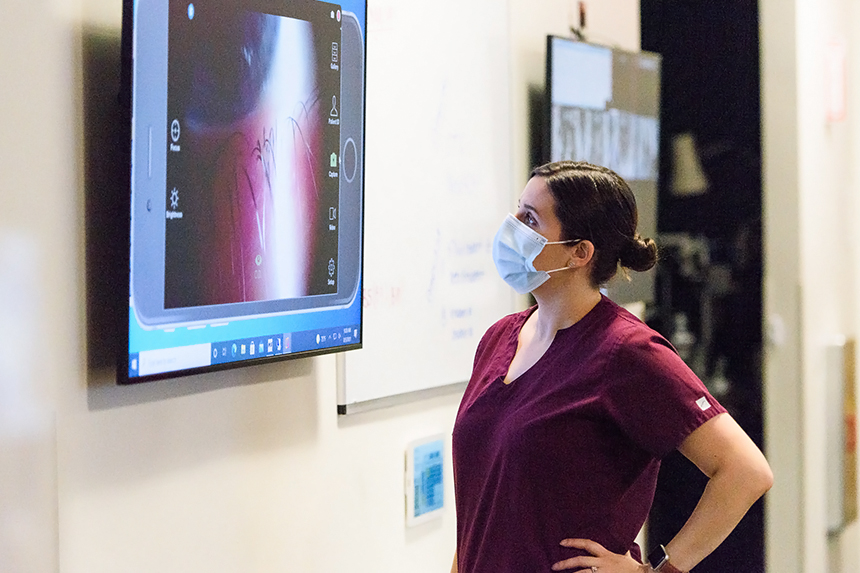
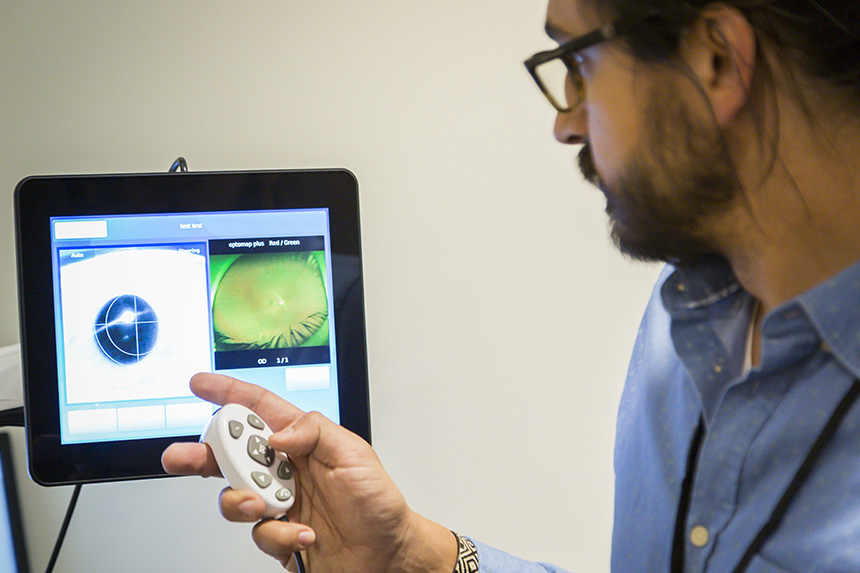
Regular comprehensive eye exams are your first line of defense against diabetes-related vision problems. These visits involve several steps, each designed to catch problems early when they’re most treatable.
What Your Doctor Looks For
Your eye care team has been specially trained to detect even subtle changes that might signal developing problems. During your exam, they carefully check for:
- Leaking or blocked blood vessels
- Retinal swelling
- New abnormal blood vessels
- Signs of retinal damage
Treatment Options
If your doctor discovers any problems during the exam, don’t panic. There are many effective treatments and catching problems early gives you the best chance for successful treatment.
Early Stage Treatment
- Close monitoring
- Better blood sugar control
- More frequent check-ups
- Lifestyle modifications
Advanced Treatment
- Anti-VEGF eye injections
- Laser treatments
- Surgery for severe cases
© 2019 Marilyn Humphries
Protecting Your Vision
Taking control of your eye health involves more than just regular check-ups. It’s about creating a comprehensive approach to your health that includes daily management, regular healthcare visits, and knowing when to get additional help.
Daily Management
- Monitor your blood sugar levels
- Take medications as prescribed
- Maintain a healthy diet
- Stay physically active
- Keep blood pressure under control
When to Call Your Eye Doctor
While regular check-ups are essential, certain symptoms may need more immediate attention. Don’t hesitate to reach out to your eye care provider if you experience any of these changes:
- Sudden vision changes
- New floating spots or flashes
- Eye pain or redness
- Darkened or blocked areas of vision
- Any rapid decline in vision quality
To make an appointment at the NECO Center for Eye Care, or to learn more about the services we offer in Boston and Roslindale, please visit our website.
Expert Insight: A Word from Your Eye Doctor
Dr. Nicole Pogue, has been helping patients manage diabetes-related eye conditions at area-community health centers. She completed a community health residency through NECO at the Dimock Center in Roxbury where she currently serves as the Clinical Director of Optometry Services. Dr. Pogue is a passionate clinician for the community around her. She seeks to educate her patients on the importance of eye exams to optimize their vision, improve their quality of life, and minimize preventable eye disease.
“I see many diabetic patients at Dimock and help them understand how their diabetes is affecting not only their eyes, but their body. I show patients with uncontrolled diabetes their damaged retina to see how their diabetes is affecting them in a tangible way. After seeing these effects for the first time, we talk about the importance of controlling their blood glucose levels. I will also send a note to their primary care physician (PCP) informing them of the retinopathy, which helps the PCP have a better sense of whether or not the patient’s diabetes management is working.”
For many patients, seeing this diabetic retinopathy is a scary thing. “I remind them it’s a good thing that we caught it and now we can help them, whether it’s further eye treatment or sending them back to their PCP.” Dr. Pogue wants all her patients to know, “depending on the severity, diabetic retinopathy can resolve on its own as the patient controls their blood glucose levels through diet, exercise, and compliance with their medications.”
More NECO News