


Nurturing Your Child’s Vision: A Guide to Eye Health
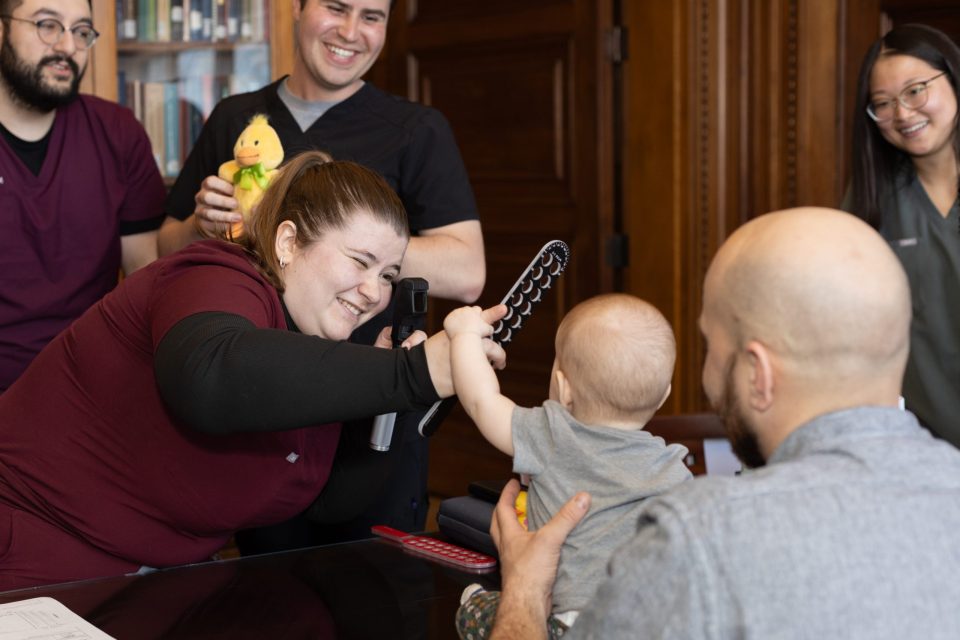
As parents, you strive to give your children the best start in life. One often overlooked aspect of a child’s well-being is their vision and eye health. Good eyesight is crucial for a child’s development, learning, and overall quality of life. The New England College of Optometry (NECO) and our Center for Eye Care provide parents with essential information on maintaining their child’s eye health and recognizing potential issues.
With the back-to-school season approaching, it’s an ideal time to prioritize your child’s eye health. Many schools offer vision screenings, but these basic tests may not catch all vision problems. Consider scheduling a comprehensive eye exam with us or another local optometrist before the school year begins. Remember, up to 80% of learning occurs through the visual system, making good eyesight crucial for academic success.
“Many children do not complain about vision problems because they’ve never experienced anything different, it is their ‘normal,’” shares Dr. Kristen Kerber, MS, FAAO NECO Associate Professor and Attending Pediatric Optometrist at The Dimock Center. “Vision problems can go undetected for years, preventing children from reaching their full potential. While it is a relief to discover a vision problem and provide treatment options, it can be hard to see the child and parent struggle with the realization that it could have been caught sooner.”
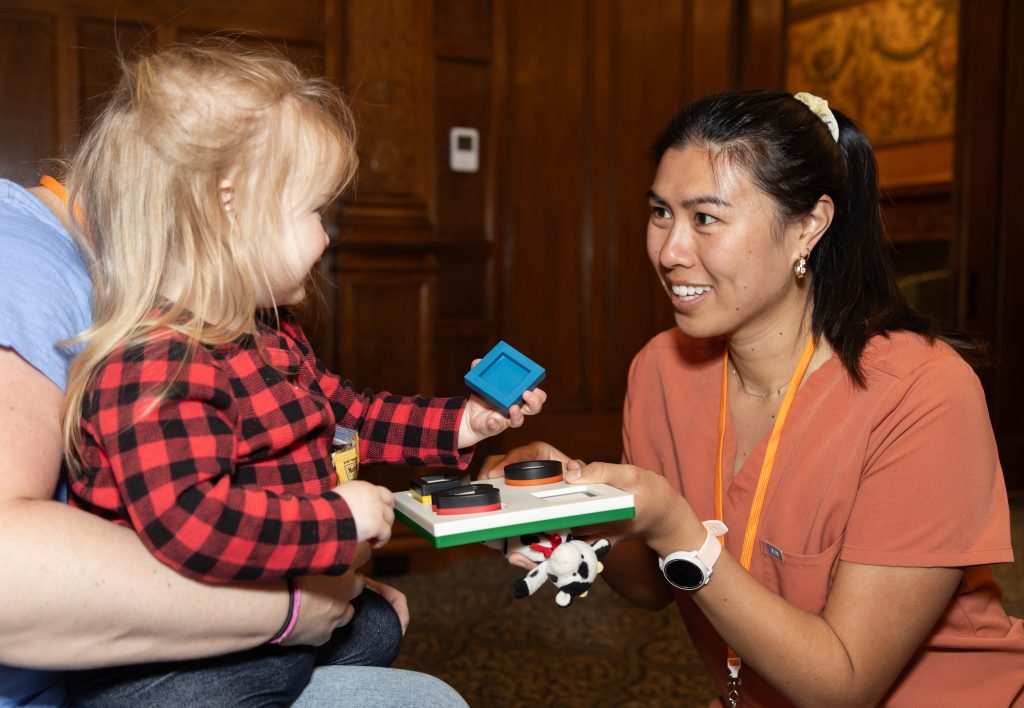
This proactive approach can identify any issues that might interfere with your child’s learning and ensure they start the academic year with clear, comfortable vision.
5 Tips for Parents:
- Schedule regular eye exams: The American Optometric Association recommends children have their first eye exam at 6 months, again at age 3, and before starting school. School aged children are advised by the AOA to see an eye doctor every two years if no correction is required, but annually (or sometimes more frequently) if using corrective eye wear (like glasses or contact lenses).
- Limit screen time: Follow the 20-20-20 rule – every 20 minutes, take a 20-second break to look at something 20 feet away.
- Encourage outdoor play: Studies suggest that spending time outdoors (one to two or more hours a day is recommended) may help prevent or slow the progression of myopia (nearsightedness).
- Provide a balanced diet: Foods rich in vitamins A, C, E, and omega-3 fatty acids may support eye health.
- Ensure proper lighting: Good lighting reduces eye strain during reading and other close-up activities.
By implementing these tips, you can play an active role in protecting your child’s vision. However, it’s also important to be aware of potential signs that might indicate vision problems.
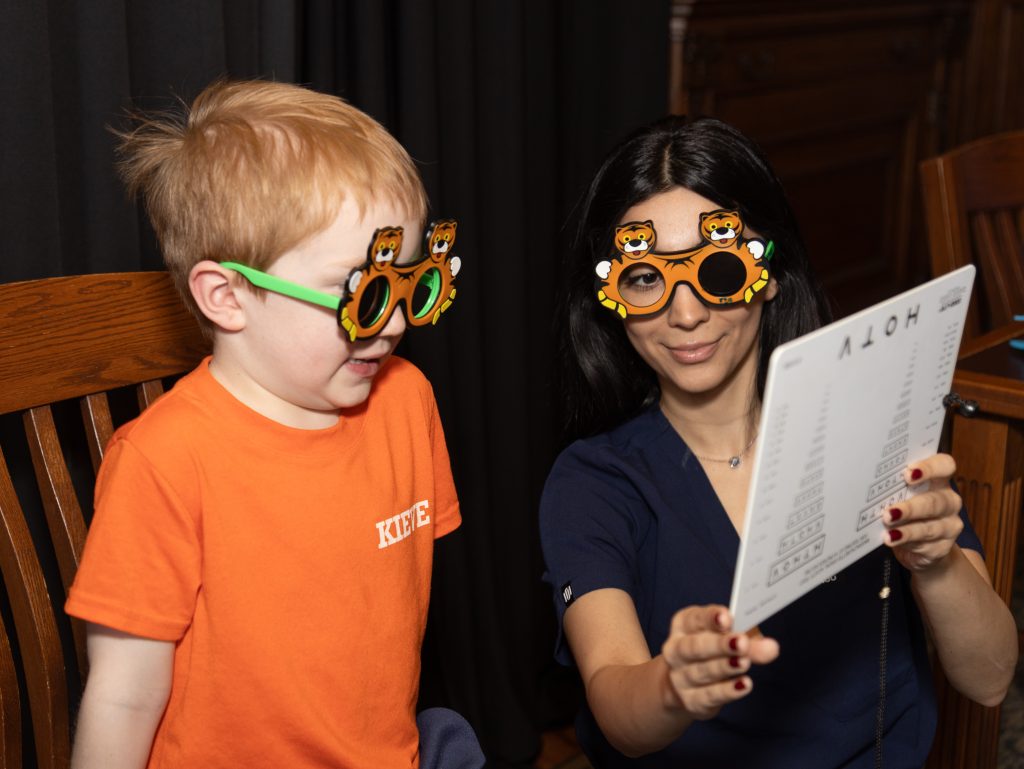
Symptoms and Conditions to Watch For:
- Frequent eye rubbing or blinking
- Squinting or tilting the head to see better
- Short attention span for visual tasks
- Difficulty with reading or writing
- Covering one eye or turning the head to use only one eye
- Complaints of headaches or eye pain
If you notice any of these symptoms, it’s crucial to consult an eye care professional. They can diagnose and address common childhood eye conditions, which include:
- Amblyopia (lazy eye): Reduced vision in one eye due to abnormal visual development
- Strabismus: Misalignment of the eyes
- Refractive errors: Myopia, hyperopia (farsightedness), and astigmatism
- Color vision deficiency: Difficulty distinguishing between certain colors
Upon diagnosis, your optometrist can recommend appropriate treatment options.

“Each eye condition has its own guidelines for treatment, and often there are options that eye care providers and families can discuss to determine the best course of action for success,” says Dr. Kerber. “The lifestyle and needs of the individual patient may play a role in pursuing various treatment options.”
Treatment Options:
An optometrist can provide various treatment options depending on the specific condition:
- Corrective lenses: Glasses or contact lenses to address refractive errors
- Vision therapy: Exercises to improve visual skills and eye coordination
- Patching: Covering the stronger eye to strengthen the weaker eye in cases of amblyopia or strabismus
- Pharmacological intervention Various eye drops can be used for conditions such as amblyopia, myopia, and conjunctivitis (bacterial, viral, or allergic)
- Surgical intervention: In severe cases of strabismus, surgery may be recommended to align the eyes
- Specialized lenses: For managing myopia progression
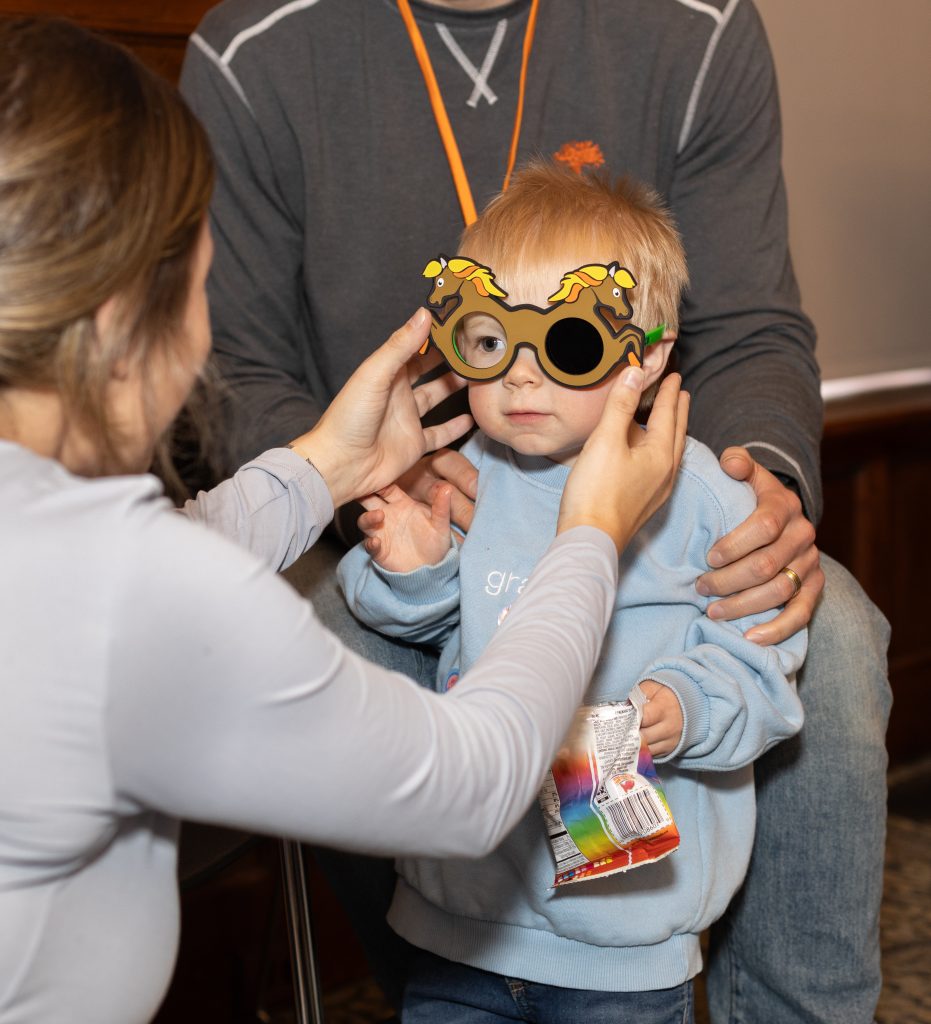
Early detection and intervention are key to addressing childhood vision problems. Many eye conditions, if caught early, can be corrected or managed effectively, ensuring your child’s visual system develops properly. While most children will not outgrow their eye conditions, the sooner such conditions and diseases are detected, the more treatment options will be available to help improve your child’s quality of life.
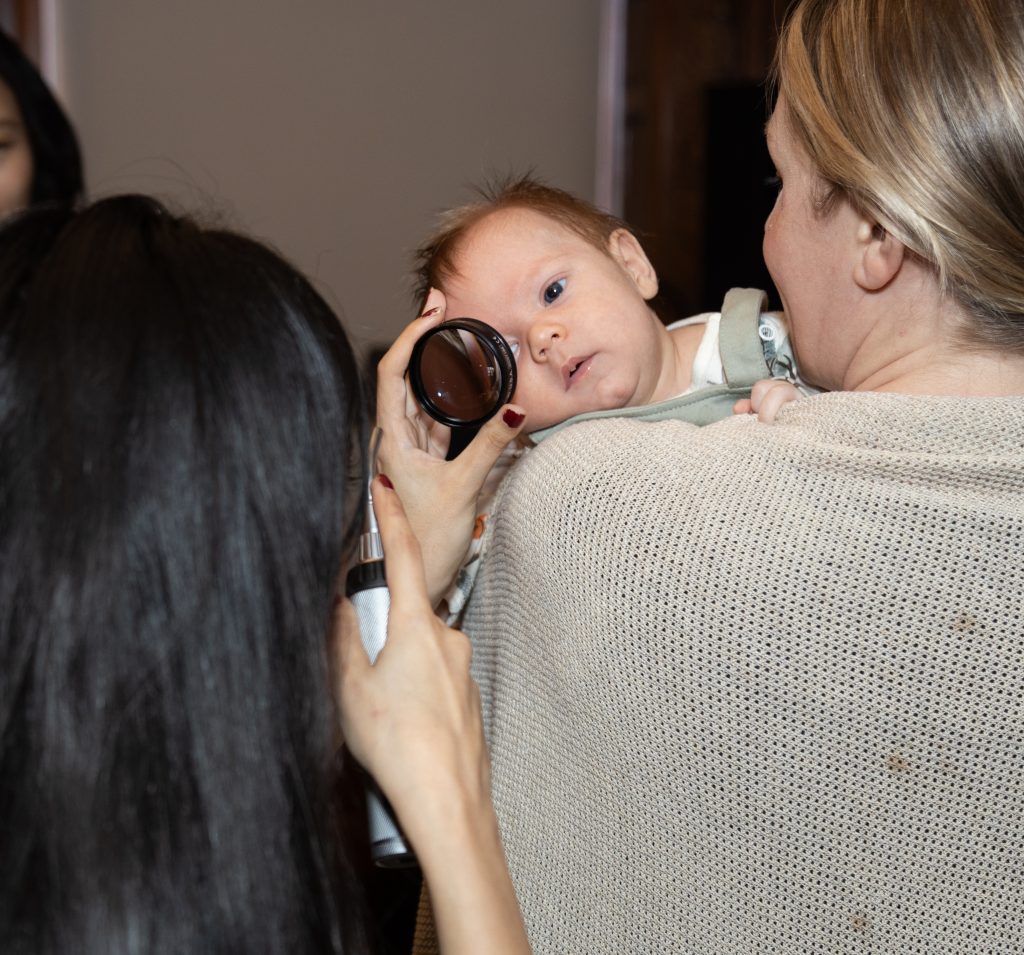
Remember, children may not always be aware of or able to communicate vision problems. As a parent, scheduling regular eye exams is crucial to safeguarding your child’s eye health. If you notice any concerning symptoms or behaviors, reach out to NECO Center for Eye Care or research optometrists in your area who can help. With proper care and attention, you can help set the foundation for a lifetime of healthy vision for your child.

