

NECO Students Learn at the Vision Development Conference

NECO Students Learn at the Vision Development Conference
As an optometry student, you will have many opportunities to engage with professional associations and learn from clinicians who are practicing in specialty areas. One such area is vision therapy, or vision development. Students interested in this area can join NECO’s chapter of the College of Optometrists in Vision Development (COVD) group. This group is connected with the larger international non-profit association of optometrists, optometry students, and vision therapists. Each year, COVD hosts a summit meeting and conference for practitioners to present their research and gives the opportunity for everyone in the field to come together and learn about the latest advances in vision development.
A Student’s Journey at the COVD/OVDRA Conference
As an optometry student, Tia Vu OD25 was eager to network and learn from professionals in the field of vision therapy and vision development. The annual COVD/OVDRA conference presented the perfect opportunity to learn from experts in the field and connect with like-minded individuals.
Immersive Learning and Development
Tia’s journey began with a six-hour flight to San Francisco, followed by a BART (the city’s public transit system) ride to the Hyatt Hotel, where the conference was hosted. As part of the Association’s student engagement, Tia utilized the student lodging discount they offer as well as the overall travel grant of $500 to get to and from the conference.
To receive a travel grant, students were tasked with writing a blog post summarizing an academic article focused on vision therapy. We then received an email letting us know if we earned the travel grant. Keep in mind that you must front the cost of the trip as you were only awarded the grant once at the conference.
She made her way to the lecture hall and sat in on the thought-provoking lecture, “Accommodation in the Classroom,” presented by Dr. Karen Kehbein and Dr. Clint Prestwich, delved into the role optometrists can play in advocating for school-aged patients and promoting effective learning environments during their time in a classroom.
Did you know?
Optometrists play a vital role in advocating for their patients’ visual needs in the classroom, such as recommending appropriate lighting, seating arrangements, and assistive devices to support optimal learning.
Tia then explored the exhibit hall, interacting with prominent vision groups like Bernell, Luminopia, and NovaSight, gaining insights into the latest products and services in vision therapy. While there are some opportunities during regular classroom time to meet industry professionals, students have the most engagement with industry at these larger national conferences.
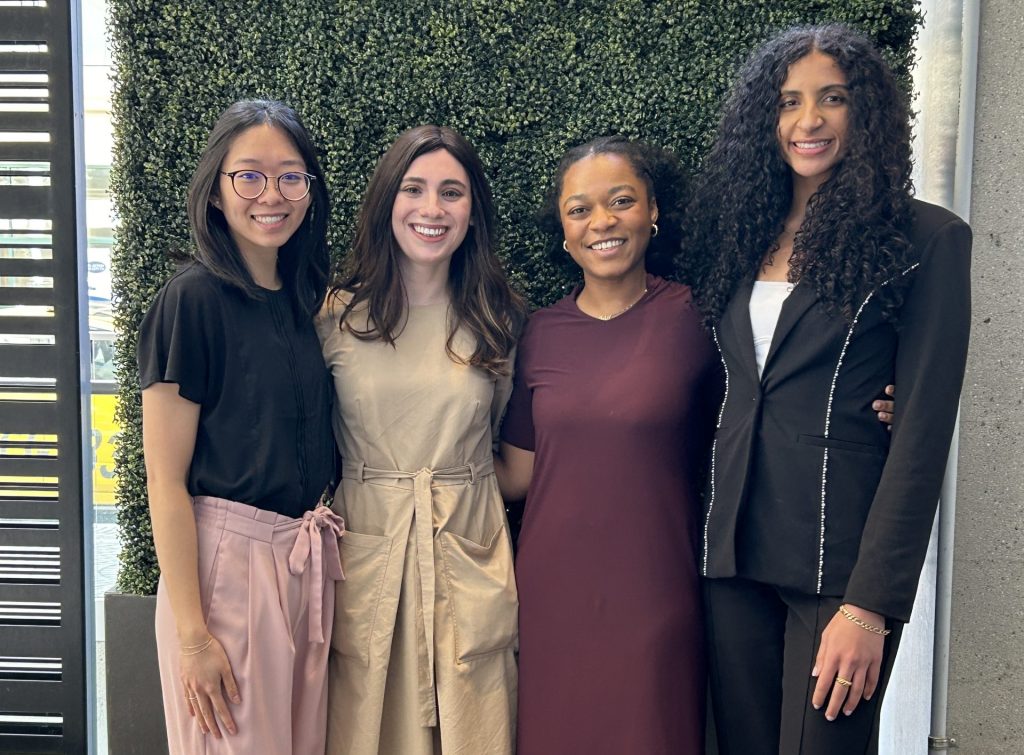
One of the highlights of Tia’s day was the lecture on “Esotropia: Normal Correspondence Cure Using Sequential Management Considerations (and Patching)” presented by Dr. Ronald Gall. Although challenging, it “opened my eyes to a controversial treatment approach, sparking engaging discussions with fellow students and residents in attendance,” shared Tia.
Did you know?
Esotropia, also known as “crossed eyes,” is a type of strabismus where one or both eyes turn inward. It can be caused by various factors, including problems with the eye muscles, brain injuries, or uncorrected refractive errors. Treatment options may include glasses, prism lenses, vision therapy, or surgery, depending on the underlying cause and severity. Adults can experience this condition as a symptom from thyroid eye disease, myasthenia gravis, or brain tumors/injuries.
The day concluded with a captivating lecture on “Cross-eyed Conundrums: Differentiating between Benign vs. Pathological Esotropias in Adults.” Tia was impressed by the organized case scenarios and the emphasis on eliminating differential diagnoses during optometric exams. Eliminating differential diagnoses is how an optometrist rules out potential causes or conditions that explain a patient’s symptoms. This step-by-step process is crucial during exams because many eye and vision conditions can share similar symptoms. By eliminating alternative explanations, optometrists can arrive at the correct diagnosis.
Networking and Professional Development
Tia attended the Student/Resident Mixer, where she heard valuable insights into running an inviting and productive optometric practice from the keynote speakers. Overall, The mixer provided a platform for networking and exploring future career opportunities.
The evening finished with a student-doctor event, where Tia had the chance to connect with current resident directors and potential future colleagues who amplified her broadening professional network.
Exploring San Francisco and Poster Presentations
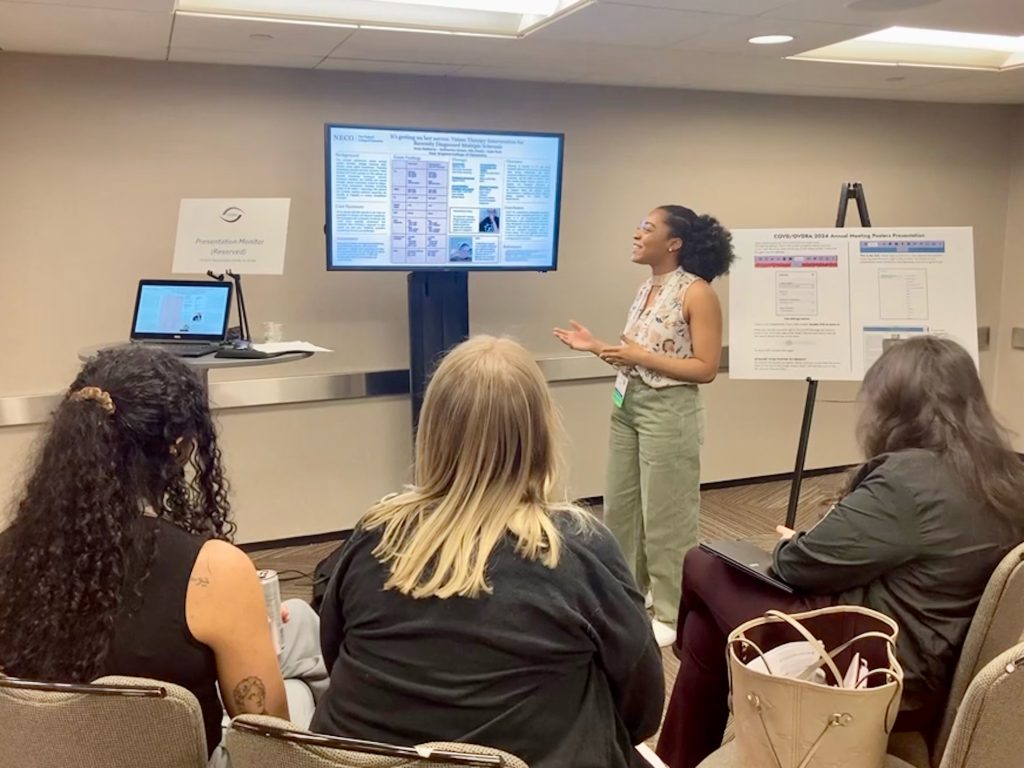
On the second day, Tia tried out the conference’s continental breakfast and then explored the poster presentations. The presentations included a fellow NECO student, Avia Dolbury whose work focused on the potential benefits of vision therapy for individuals with Multiple Sclerosis (MS).
Did you know?
MS is an autoimmune disorder that can affect the optic nerves and cause vision problems. Vision therapy may help improve visual skills and compensate for vision deficits in some MS patients, but more research is needed to establish its efficacy.

Tia took advantage of her time in San Francisco, “I made sure to venture out and explore the city’s iconic sights, like the Boardwalk and the famous Sea Lions on the Wharf.”
The final day of the conference brought another insightful lecture, “Optometry and Litigation,” which explained the crucial role doctors play in courtrooms including malpractice, patient advocacy, and electronic chart audits–a topic often overlooked in optometry education.
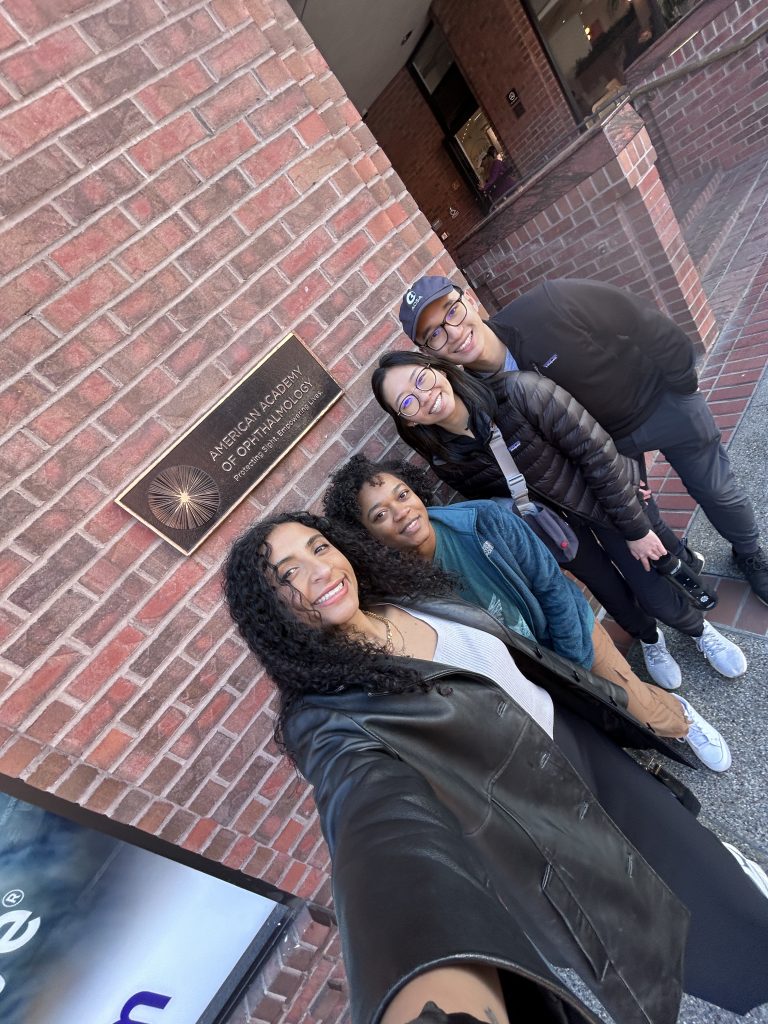
Tia and her friends concluded their West Coast adventure with a visit to the American Academy of Ophthalmology’s Eye Museum and a memorable dinner at “the Pink Onion.”
Lasting Impressions
Reflecting on her experience, “I feel grateful for the opportunity to attend the COVD/OVDRA conference,” Tia shares. “It provided me with a unique platform to learn about cutting-edge research, network with practicing doctors, and explore future career prospects in vision therapy and rehabilitation.”
With a newfound appreciation for the field, Tia looks forward to attending the conference again in the future.
Interested in a Career in Vision Therapy?
Students interested in vision therapy would likely consider pursuing a career as a vision therapist or an optometrist specializing in vision therapy and rehabilitation. As an optometrist specializing in vision therapy, you will be highly marketable and set apart from colleagues.
You can pursue pathways and practice options including:
- Becoming a vision therapist and working at a vision therapy practice/clinic.
- Pursuing a residency focused on vision therapy and rehabilitation optometry.
- Working as an optometrist in private practice, group practice, academic setting, etc. while specializing in providing vision therapy services.
Specializing in vision therapy provides a different skill set and can differentiate from a traditional optometrist’s career in the patients you see and the treatments you provide.
While traditional optometry treats conditions related to the eyes themselves, vision therapy takes a broader approach by treating a wider range of functional vision disorders and visual processing issues that can impact activities like reading, learning, sports performance, etc. This includes conditions like convergence insufficiency, amblyopia, strabismus, and visual perception/processing deficits.
Vision therapy utilizes specialized equipment, lenses, filters, prisms, as well as eye exercises and activities designed to retrain the visual system and improve eye-brain connections. These therapies take a more active, rehabilitative approach.

