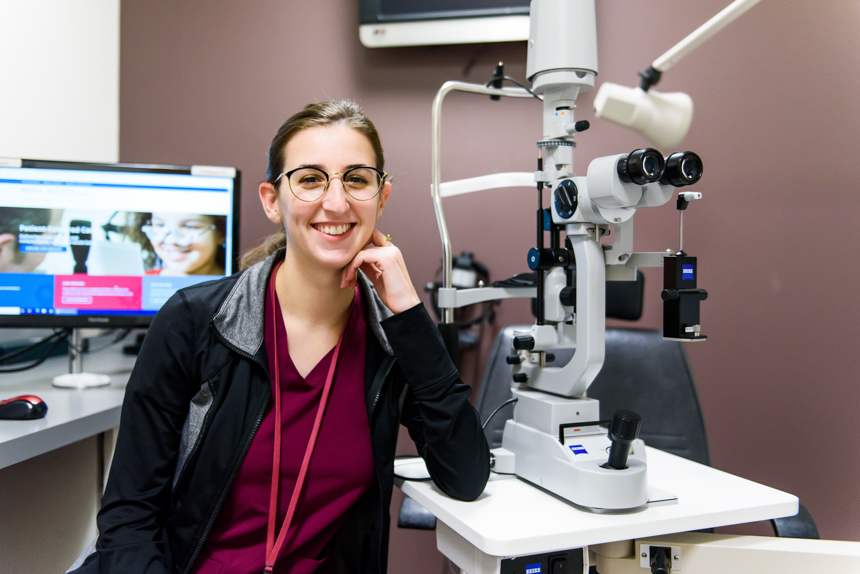
The Journey of Becoming an Optometrist
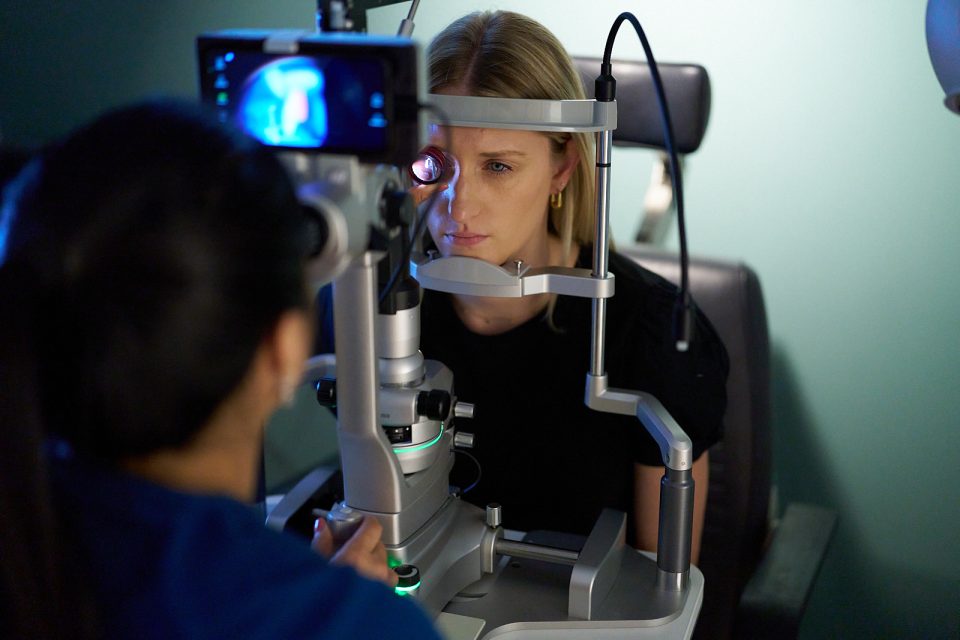
Optometry is a fulfilling career focused on diagnosing and treating eye disorders, enhancing patients’ quality of life. To become an optometrist, one must complete extensive coursework and hands-on clinical rotations. Specialization in areas such as pediatric or low vision care allows access to advancements in eye health. Resources for ongoing professional development support continual growth in the field.
The Journey of Becoming an Optometrist
The path to becoming an optometrist leads to a fulfilling career path focused on diagnosing and treating eye disorders to enhance patients’ quality of life. To become an optometrist, NECO students complete extensive coursework and hands-on clinical rotations, with opportunities to specialize in areas like pediatric or low vision care.

The journey follows these key steps:
- Build a strong undergraduate foundation
Students often major in biology, chemistry, or health sciences
Make sure to include coursework in anatomy, physics, calculus, and microbiology.
- Begin the optometry school application process
– Optometry Admission Test (OAT)
– Maintain a high GPA
– Personal statements
– Recommendations
– Interviews
- Enroll in a 4-year optometry program
Combining classwork, labs, and clinical rotations to learn eye anatomy, diagnose conditions, and use corrective tools
- Pass the National Board of Examiners in Optometry (NBEO) exams
Study and sit for the three part exam in order to become licensed in the state you plan to practice in
- Consider a Residency
Develop expertise in areas like pediatric care or low vision rehabilitation

From application to graduation
Optometry school requires dedication, but the result is a fulfilling career focused on enhancing vision and eye health for patients of all ages. The application process can be summarized in several steps, but the connections made at the beginning of this process lend themselves to larger resources for ongoing professional development support and continual growth in this ever-evolving field. From coursework to clinical rotations, optometry school is more than just memorization; it is the start of a career path that builds community and support.
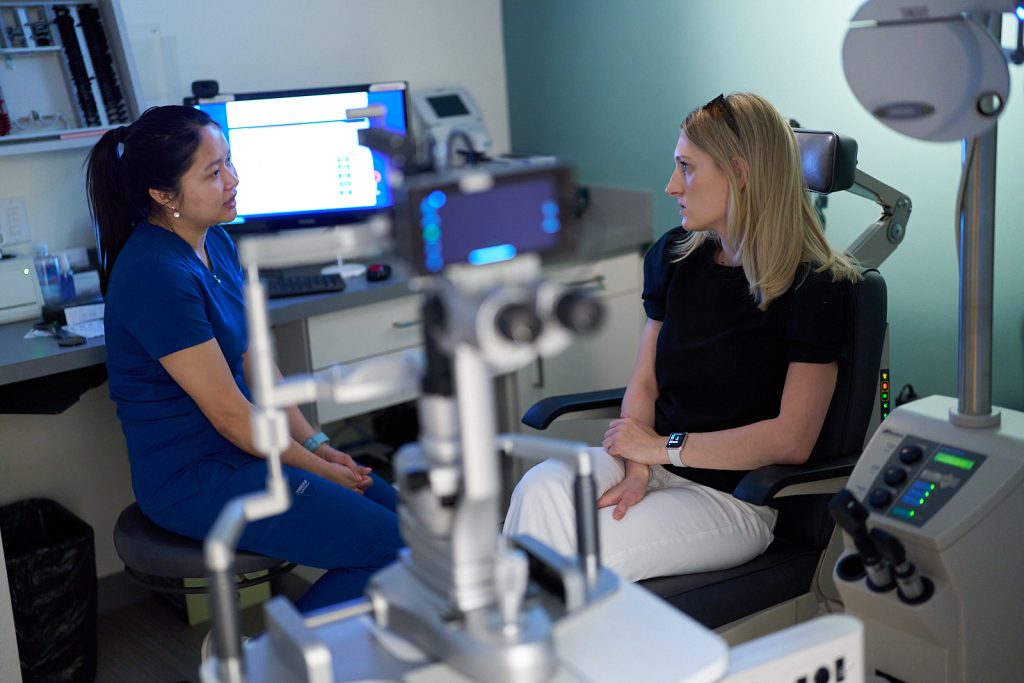
Starting your career
After completing optometry school and obtaining licensure, you can start your job search in a variety of work settings. Your first job could be in a private practice, hospital or community health center, academic institution, or even a corporate environment. As an optometrist, you can align your career goals to meet your individual interests, whether that’s working directly with patients, conducting research, teaching future optometrists, or even exploring entrepreneurial opportunities to open your own practice.