


How Vision Skills Improve Your Performance
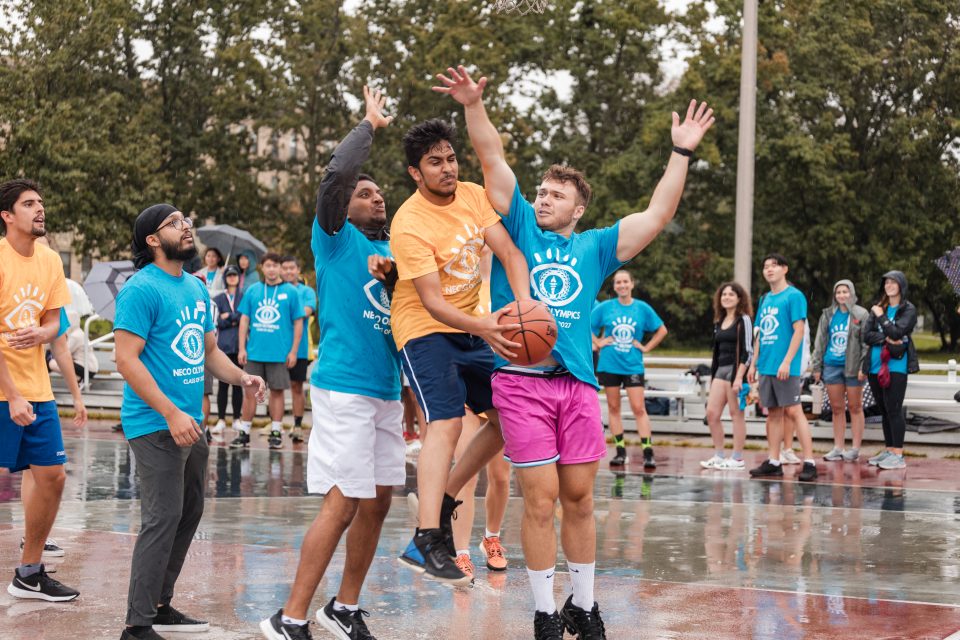
Whether you’re a weekend warrior or aspiring professional, don’t overlook the importance of vision in your athletic training regimen. Your eyes are as crucial to your performance as any muscle in your body. With proper training through specialized exercises, you’ll enhance your visual skills and consequently improve your game performance.
Spring is here, and so is a new season for sports! Baseball, tennis, beach volleyball, outdoor pick-up basketball, even Double Dutch require a quick eye and strong focus. With opening day at Fenway Park and the Boston Marathon, it’s time to think about upping your game with exercises to strengthen your eye muscles.
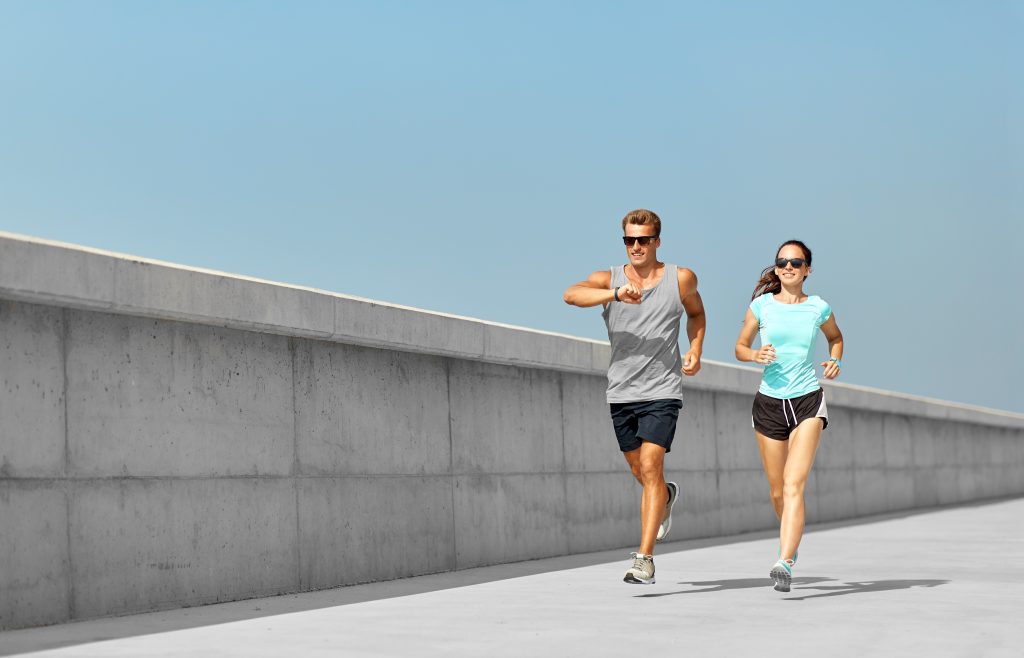
Keep Your Eye on the Ball!
Certain eye functions can make a big difference in your athletic performance. Functions like object tracking, depth perception and hand-eye coordination, peripheral vision, and visual memory are all important tools for your competitive edge. Some optometrists specialize in these functions and treat their patients using Vision Therapy, helping to improve athleticism through different exercises and training.
Sports Vision
Athletes in all sports can benefit from Sports Vision Training (SVT) to gain an edge over the competition. SVT is a specialized training regimen that can help anyone develop and improve up to the 17 essential visual skills like depth perception, visual processing, and reaction speed. By enhancing specific visual skills needed to quickly catch, jump, throw, dodge, or hit you can transform into a high-performing competitor.

Key Visual Functions for Athletes
Dynamic Visual Acuity
A fundamental aspect of SVT is visual acuity, which is the ability to clearly see moving objects. Improving visual acuity allows athletes to see fine details quickly and accurately, which is essential for tasks like tracking a fast-moving ball. In fact, baseball players have some of the best visual acuity compared to their non-athletic counterparts (American Academy of Ophthalmology, 2019). On average, baseball players can see roughly 30% better at a distance than others.
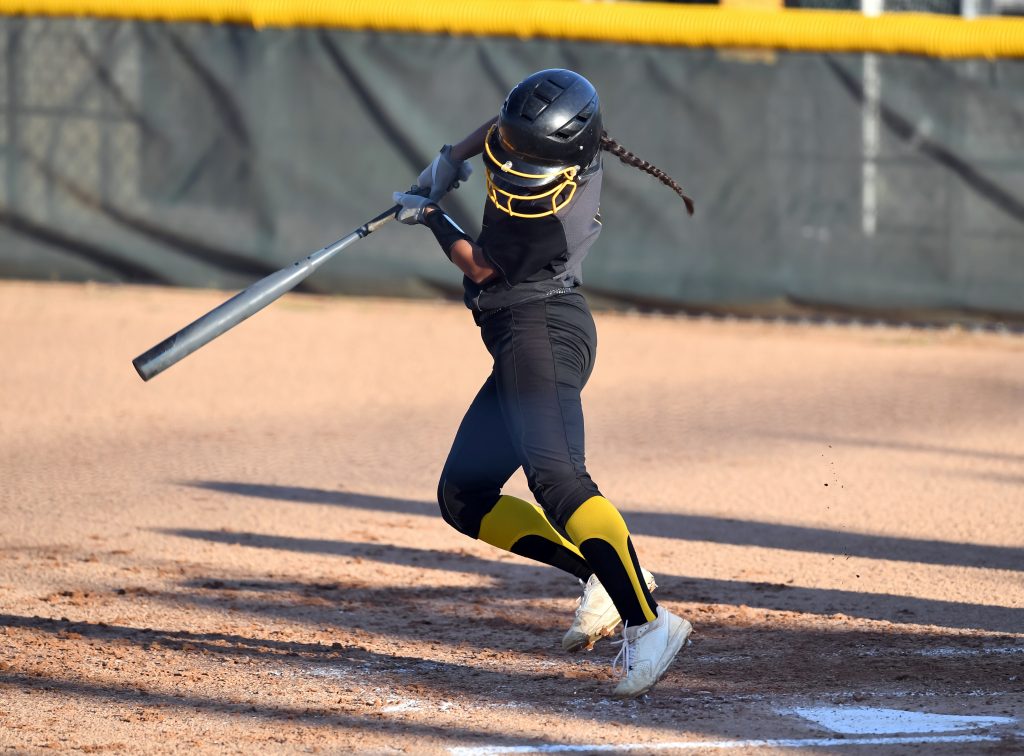
However, having strong visual acuity doesn’t mean they can fully “keep their on the ball.” Eyes can only move so quickly, or track motion. Once a baseball is released from a major league pitcher at 90 miles per hour, the eye can only track the ball up to 20 feet away from the batter. Once the ball closes in, it’s up to them to anticipate where the ball will be and move their eyes to that location to hit it.
Visual Reaction Time
Your visual reaction time is the amount of time it takes for environmental stimuli to travel from your vision system to your motor system and produce a physical reaction. Quick visual reaction times are essential for success in fast-paced sports and helps athletes to make split-second decisions, dodge opponents, or intercept a ball.
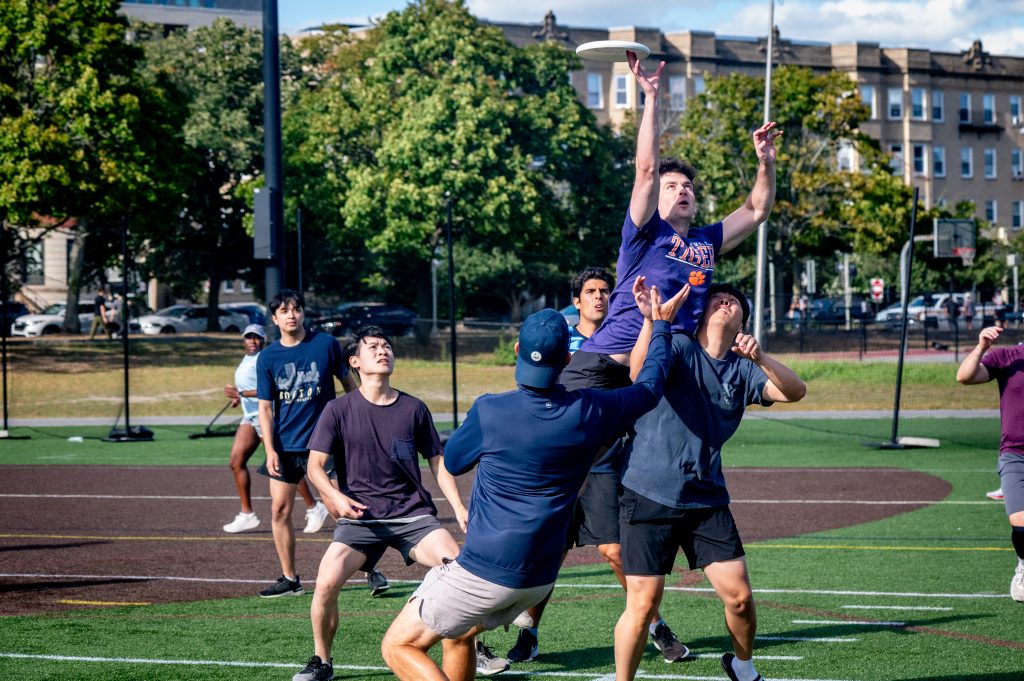
SVT focuses on improving visual reaction time through specialized drills and exercises that enhance an athlete’s ability to process visual information rapidly and execute timely responses. Something you can try at home is playing wall ball where someone bounces a ball off the wall and you must catch it before it bounces on the floor. For more advanced training, add more space between yourself and the wall, or even use more than one ball.
Visual Tracking
Visual tracking is the ability to follow an object with your eyes. It’s a specific process of the brain that coordinates the muscles in your eye to execute different visual actions. Visual tracking helps you focus on a stationary object (also known as fixation), make sure a moving object remains at the center of your sights (smooth pursuit), and even makes quick adjustments to your point of gaze by shifting focus between two or more objects (also known as “saccades”).
Improving visual tracking allows athletes to maintain better situational awareness, anticipate movements more effectively, and make more accurate plays. Having quick and accurate tracking is essential in sports that require constant monitoring of balls, opponents, or other dynamic elements. Hand-eye coordination and balance are also associated with visual tracking.
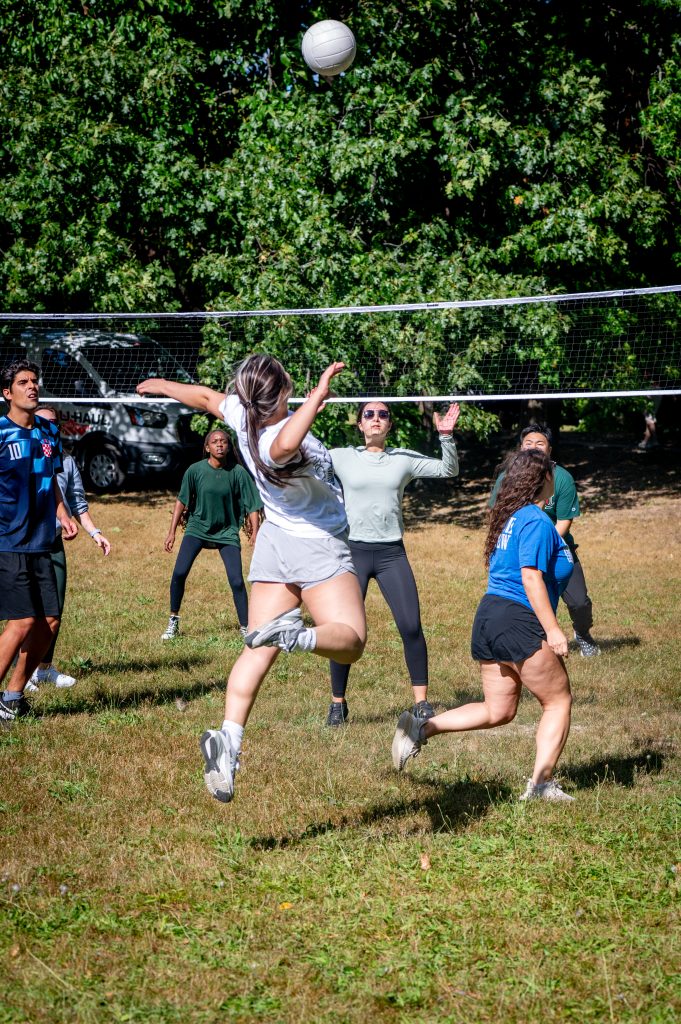
Something you can try at home is track objects moved in various patterns with your eyes only. A common way to do this is actually just playing ping pong. Following the ball around the table and anticipating when to hit it is a great way to improve visual tracking.
Depth Perception
Depth perception is the ability to accurately judge the distance and understand the spatial relationships of objects. This vital skill helps athletes gauge the distance and speed of an incoming ball, navigate around opponents, and better position themselves on the field.
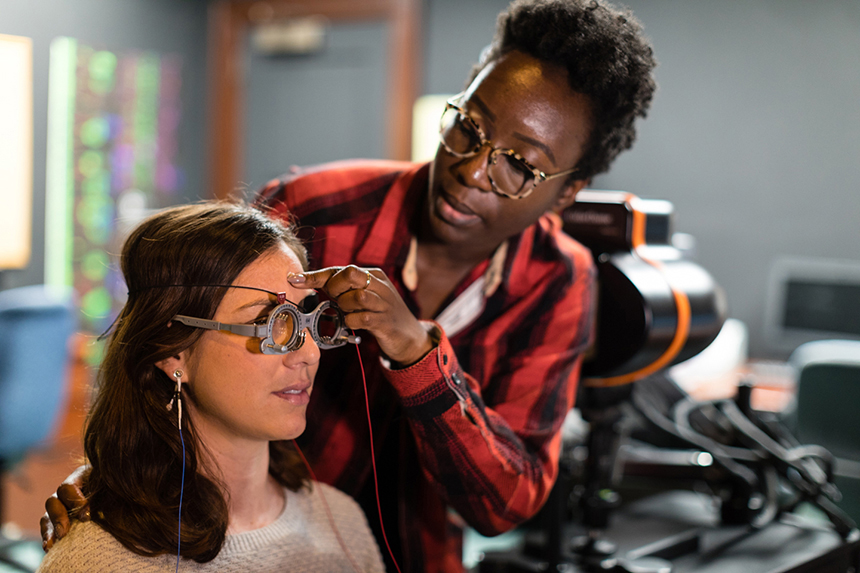
You can try a few different exercises at home to boost depth perception. Try putting a cap on a pen at arm’s length and alternating between using one eye and both to improve spatial judgment. You can also watch TV or work on a computer with your head turned to one side to enhance your visual awareness in both three dimensions and peripherals.
Visual Concentration
Visual concentration is your ability to control the visual system and maintain focus on a single object despite visual distractions. This awareness is essential for sustaining attention during critical moments in a game, such as tracking a fast-moving ball, reading opponents’ cues, or executing precise movements under pressure.
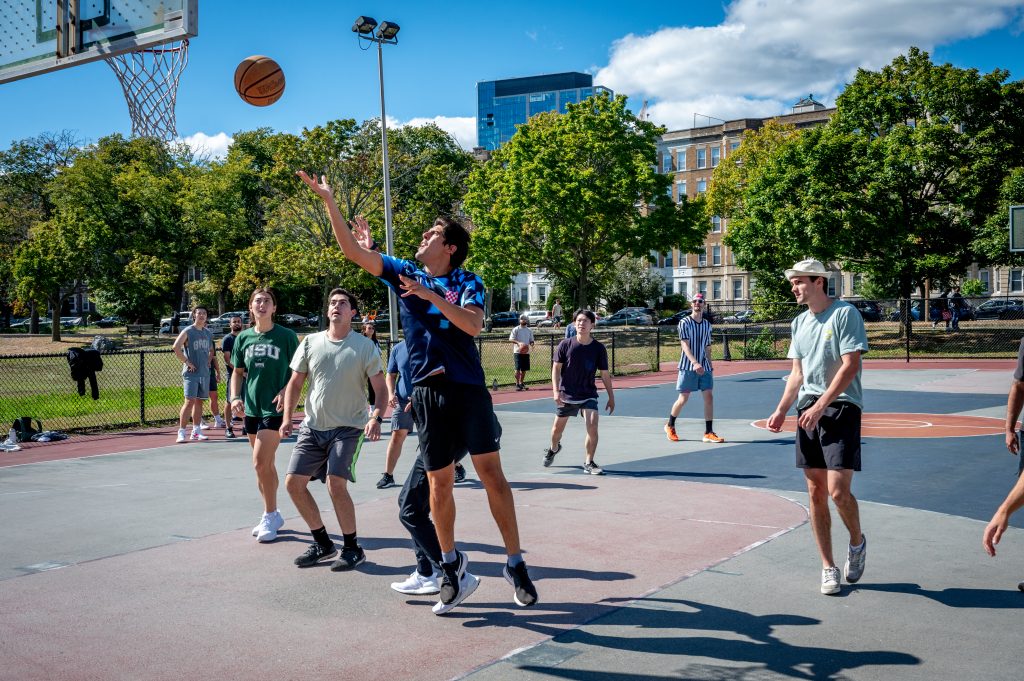
SVT enhances visual concentration through exercises that train athletes to filter out distractions and stay focused on relevant visual information. Exercises you can try at home include focusing on a single object, like your finger or a pencil, while holding it in front of a busy scene, like the TV or a busy street outside. Holding your attention on the singular object, start to move it around and see how long you can hold focus without shifting to the visual stimuli behind it. Practice this with various objects at varying distances.
Professional Assessment
If you are interested in learning more or getting a full assessment, find a sports vision specialist in your area. NECO Center for Eye Care providers, like Dr. Katherine Green, are available for assessments and working together to create the best treatment plan for your situation.
A comprehensive sports vision evaluation typically includes assessment of:
- Visual acuity (static and dynamic)
- Contrast sensitivity
- Ocular alignment and eye teaming
- Accommodative function (focusing ability)
- Vergence facility (how well eyes work together)
- Eye-hand coordination
- Visual-motor reaction time
- Peripheral awareness
- Visual concentration under stress
These evaluations provide baseline measurements and identify specific areas where targeted training can yield the greatest performance improvements.

Sports Vision for Athletes at Every Level
Whether you’re a weekend warrior or aspiring professional, don’t overlook the importance of vision in your athletic training regimen. Your eyes are as crucial to your performance as any muscle in your body. With proper training through specialized exercises, you’ll enhance your visual skills and consequently improve your game performance.
Regular practice of these vision exercises can yield significant improvements to not only your athleticism, but can provide continued benefits to your overall concentration and cognitive abilities. Just as with physical training, consistency is key to achieving and maintaining a winning visual performance.

