

The Role of Cycloplegic Refraction
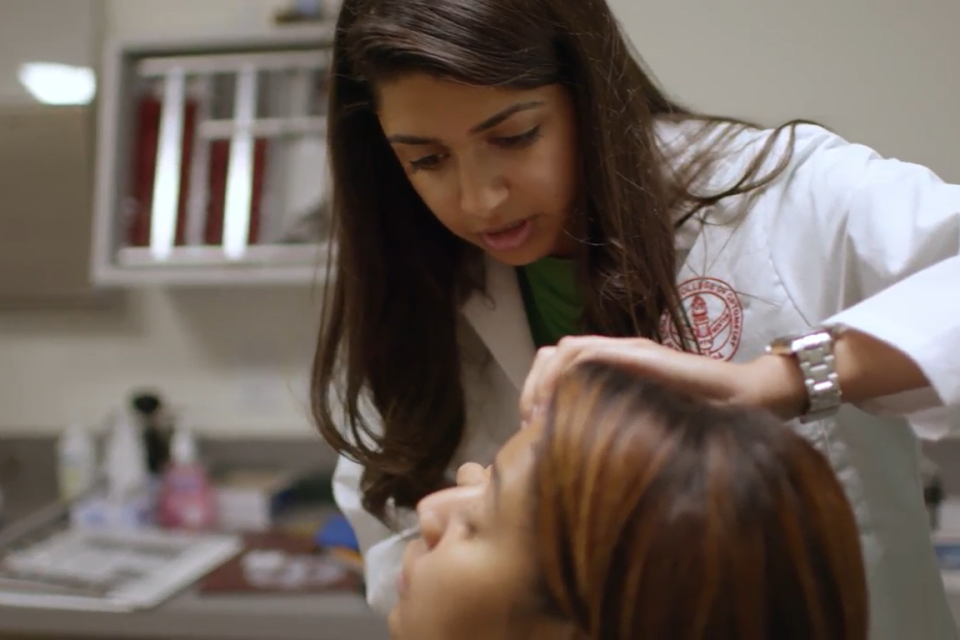
In the field of optometry, precise vision assessment is critical to ensuring optimal patient care. One technique that plays a significant role in diagnosing and managing refractive errors—particularly in children and young adults—is cycloplegic refraction. At New England College of Optometry (NECO), we utilize this refraction test in clinical training, equipping future optometrists with the skills to perform comprehensive eye exams for children that can help with hyperopia (farsightedness) and myopia (nearsightedness) management, amblyopia (lazy eye) diagnosis, or strabismus (eye turn) detection.
The basics
Cycloplegic refraction is a refractive error assessment where an optometrist uses eye drops to temporarily relax the eye muscles in charge of focusing. This process allows optometrists to dilate the pupils and get a better view of inside the eye and take an objective measurement of any refractive error. Additionally, dilating the pupil makes it easier to detect signs of eye disease, like glaucoma or macular degeneration.
Why is cycloplegic refraction important?
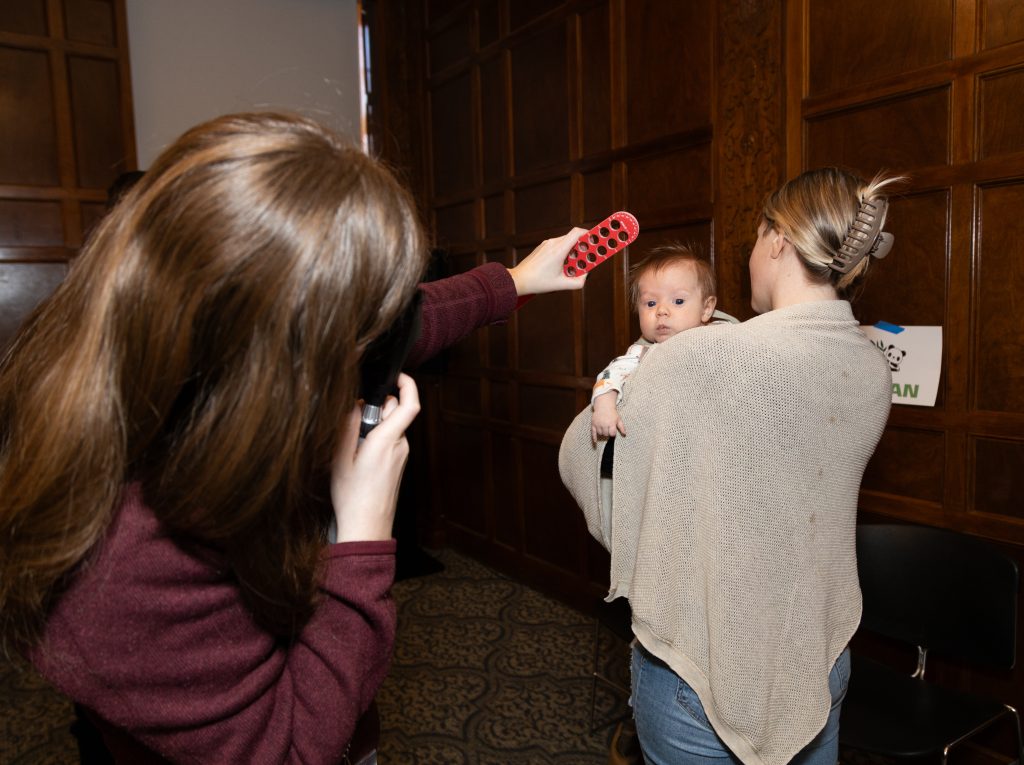
It is the gold standard for refractive error assessment in children. Cycloplegic refraction prevents patients, particularly children, from subconsciously over-focusing during an eye exam and helps to reveal a more accurate picture of any refractive errors. By getting these accurate readings, an optometrist is able to write the best prescription for glasses or contact lenses to improve the quality of life for their patients.
Accurate results lead to the right treatment
The accurate results that come from cycloplegic refraction offer a greater chance in not only getting the right prescription to optimize treatment, but also detecting eye conditions like hyperopia, amblyopia, and helping to prevent an overcorrection of myopia. By getting the right glasses or contacts, patients and optometrists can work together to create effective treatment plans.

At NECO and the NECO Center for Eye Care, we integrate cycloplegic refraction into both our clinical training and patient care protocols. Our students gain hands-on experience in diagnosing and managing refractive errors in pediatric and adult populations. Through rigorous training and practice, students in our 4 year OD program become adept at detecting and proposing treatment plans for patients with a variety of conditions and diseases.
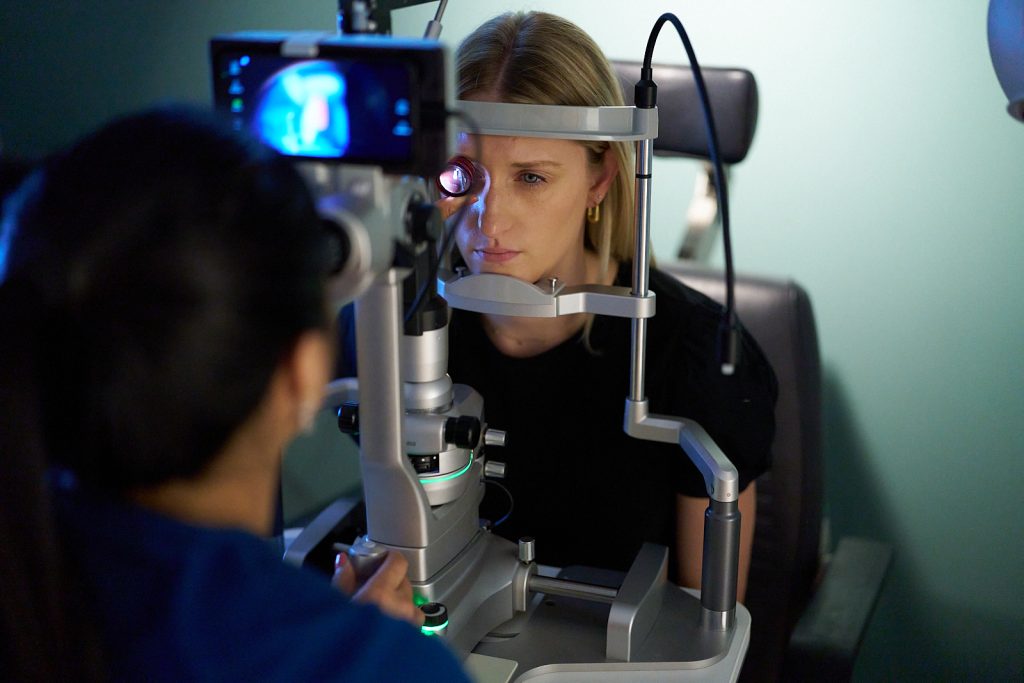
Cycloplegic refraction remains a cornerstone technique in optometry, ensuring precise diagnosis and effective treatment of refractive errors. As myopia management and pediatric optometry continue to grow, this method will remain essential in providing comprehensive, high-quality eye care.