


Advancing Accessibility: ADA Compliance and Vision Impairment
The Americans with Disabilities Act (ADA) of 1990 has significantly improved the quality of life for individuals with vision impairments. As we observe Disability Pride Month, it’s important to examine how ADA compliance has enhanced accessibility for people with low vision, blindness, and other visual disabilities.
Auxiliary Aids
Many of the measures the ADA mandates that auxiliary tools, services, or devices are provided to ensure effective communication for people with disabilities. For individuals with vision impairments, auxiliary aids can include:
- Braille materials
- Large print documents
- Screen reader software
- Magnification devices
- Qualified readers (people who read written information aloud)
- Audio description for visual content
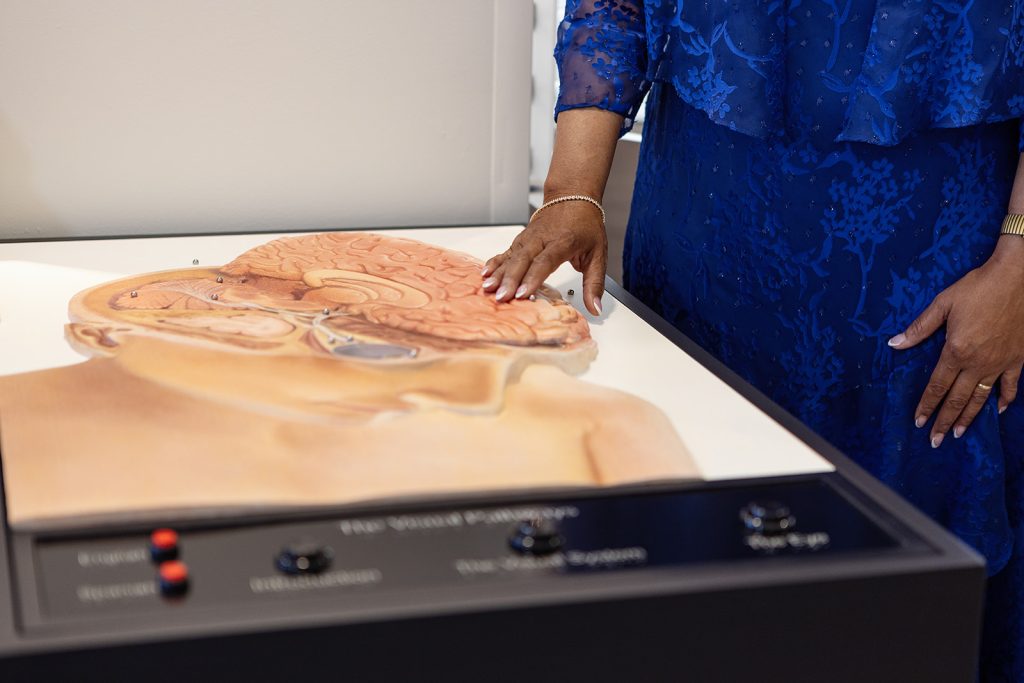
Tactile learning devices are one way to integrate auxiliary tools
These aids are meant to ensure that people with disabilities have equal access to information and services. The ADA requires that places of public accommodation and government entities provide appropriate auxiliary aids and services where necessary to ensure effective communication with individuals with disabilities.
Accessibility Measures
The ADA and its subsequent amendments have mandated several key accessibility measures that we encounter on a daily basis.
Audible Traffic Signals
Title II of the ADA requires state and local governments to ensure their services, including transportation, are accessible. The 2010 ADA Standards for Accessible Design specifically address the implementation of accessible pedestrian signals (APS) at intersections. These audible cues provide crucial information for safe street navigation.
Braille in Public Spaces
Title III of the ADA mandates that places of public accommodation provide auxiliary aids and services. The 2010 ADA Standards require Braille signage for room identification and exits, greatly enhancing independent navigation in buildings for individuals with vision impairments.
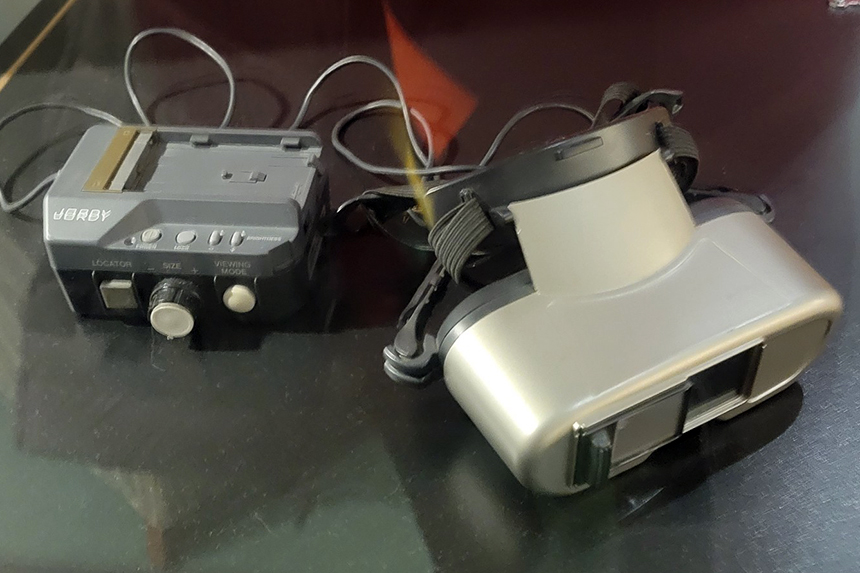
Ned Witkin, OD ’83, co-developed the Joint Optical Reflexive Display (JORDY), an early low vision aid.
Screen Reader Compatible Websites
While not explicitly mentioned in the original ADA, the Department of Justice has interpreted Title III to apply to websites. The Web Content Accessibility Guidelines (WCAG) 2.0, referenced in the 2010 ADA Standards, provide specific criteria for web accessibility. This interpretation has led to significant improvements in digital accessibility.
Large Print and Audio Materials
The ADA Amendments Act of 2008 (ADAAA) expanded the definition of disability to include impairments that substantially limit reading. This amendment has facilitated greater access to information through large print and audio formats in various settings, including educational institutions and government offices.

Service Animal Accommodations
The ADA provides clear definitions for service animals and mandates their accommodation in public spaces. The 2010 ADA Standards include guidelines for service animal relief areas in certain facilities, further supporting the independence of individuals who rely on these animals.
For healthcare professionals, understanding these accommodations is crucial. The ADA’s Title II and III regulations require healthcare providers to ensure effective communication with patients, including providing auxiliary aids and services for those with vision impairments.

Optometrists play a vital role in not just treating vision impairments, but also in educating patients about available resources and advocating for further improvements.
As we reflect on the progress made through the ADA, it’s important to recognize that accessibility is an evolving field. Ongoing developments, such as proposed updates to Section 508 of the Rehabilitation Act, demonstrate the continuous effort to improve accessibility standards.
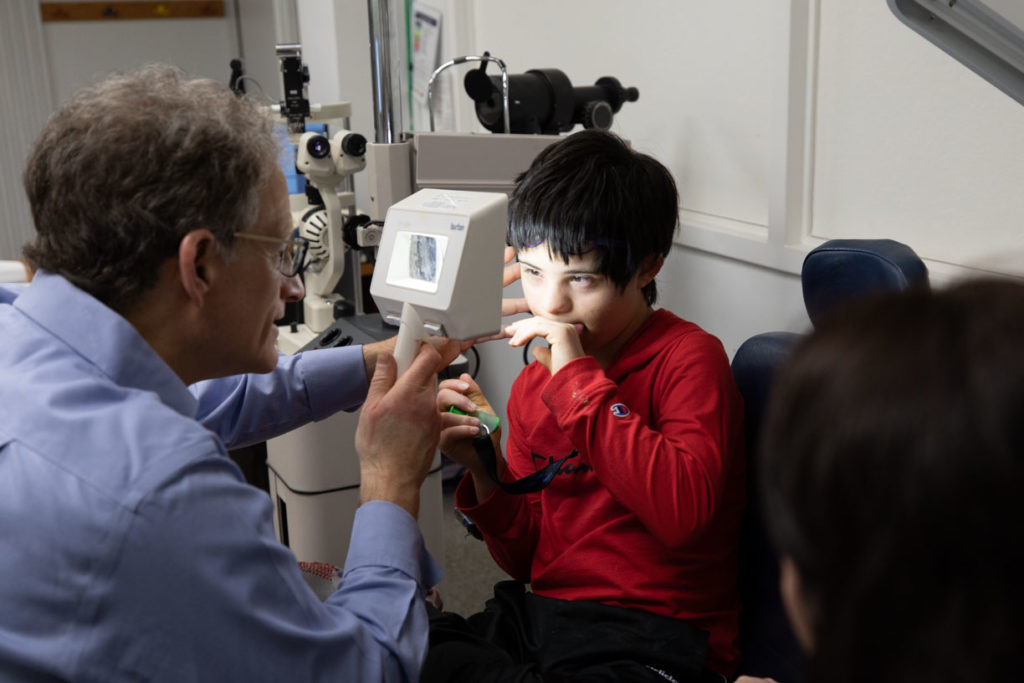
Photo courtesy of Perkins School for the Blind
This Disability Pride Month serves as a reminder of the strides made through the ADA and the importance of continued advocacy for accessibility. By creating a more inclusive environment for individuals with vision impairments, we ultimately benefit society as a whole.

