

2026 Industry Collaborative Brings Optometric Leaders Together to Navigate Generational Change and AI

NECO’s annual gathering explores the future of optometric education, the expectations of Gen Z, and the role of AI in preparing tomorrow’s eye care professionals.
As artificial intelligence rapidly reshapes health care and a new generation of professionals enters the workforce, NECO convened leaders from across optometric education, clinical practice, industry, and professional organizations for its 2026 Industry Collaborative entitled, “Traversing the Shift,” held November 6, 2026 in Boston.
Moving beyond a conventional conference format, the sixth gathering in NECO’s Industry Collaborative series examined two interconnected forces shaping the future of optometry: the changing expectations and priorities of Gen Z and the accelerating influence of AI on clinical education and patient care.
Through conversations with students, research findings, and interactive discussions, participants explored how the profession can embrace technological innovation while preserving the human relationships, critical thinking, and clinical expertise essential to excellent patient care.
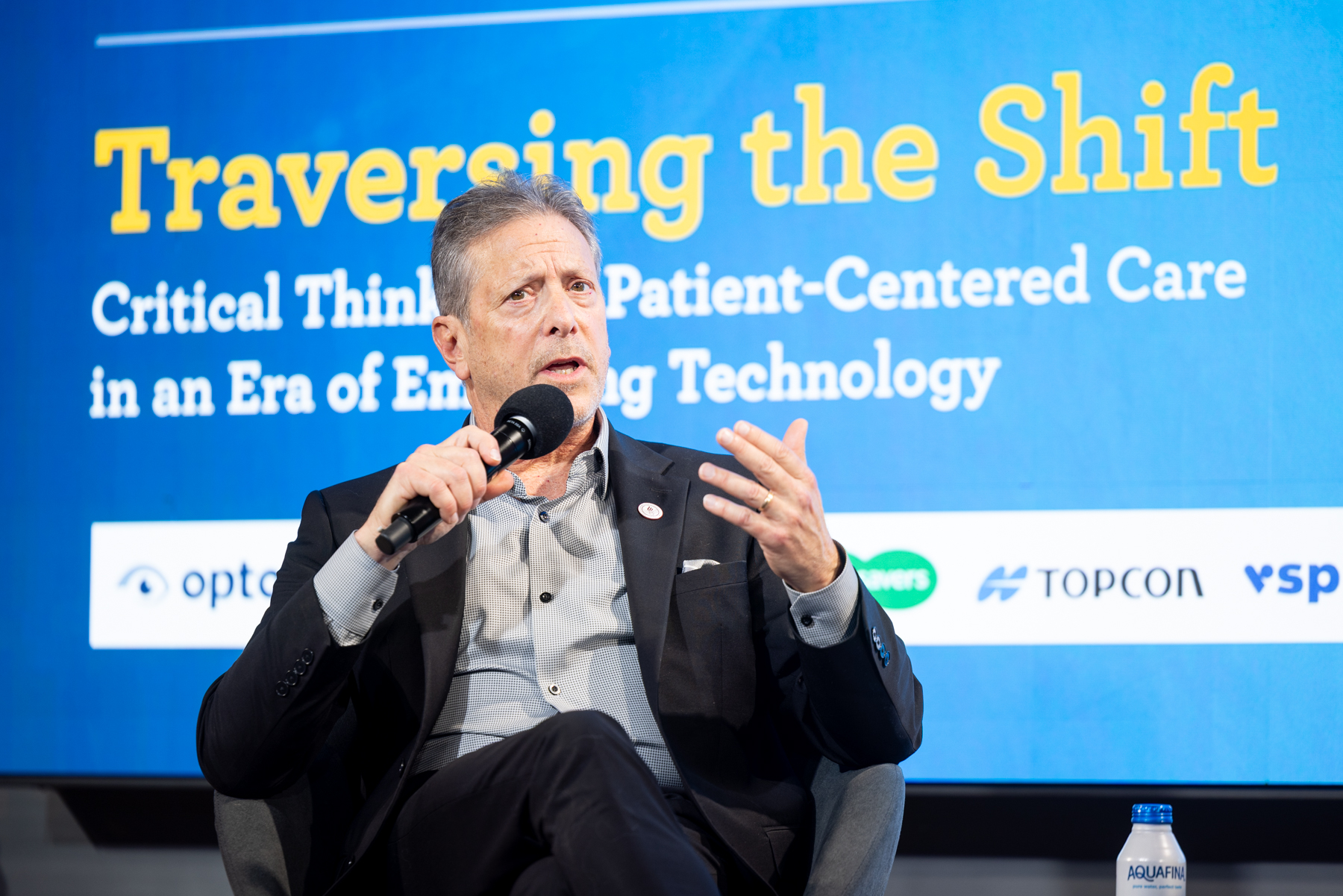 “We had dreamed of bringing this industry together like this probably six or seven years ago, to really deal with issues of our profession and try to bring those people who are the people who can make a difference,” said Howard Purcell, OD, FAAO, President and CEO of NECO, in his opening remarks. “Things are changing—they’re changing dramatically, and we see it in the world of academia every day. And we need to change, too.”
Dr. Purcell emphasized that meaningful progress requires sustained collaboration among the many organizations and individuals invested in optometry’s future.
“With the people in this room, we can solve the challenges that we face,” he said.
Understanding the Next Generation of Optometrists
A central feature of the Collaborative was a discussion led by John Della Volpe, a nationally recognized researcher of Gen Z attitudes and director of polling at the Harvard Kennedy School Institute of Politics.
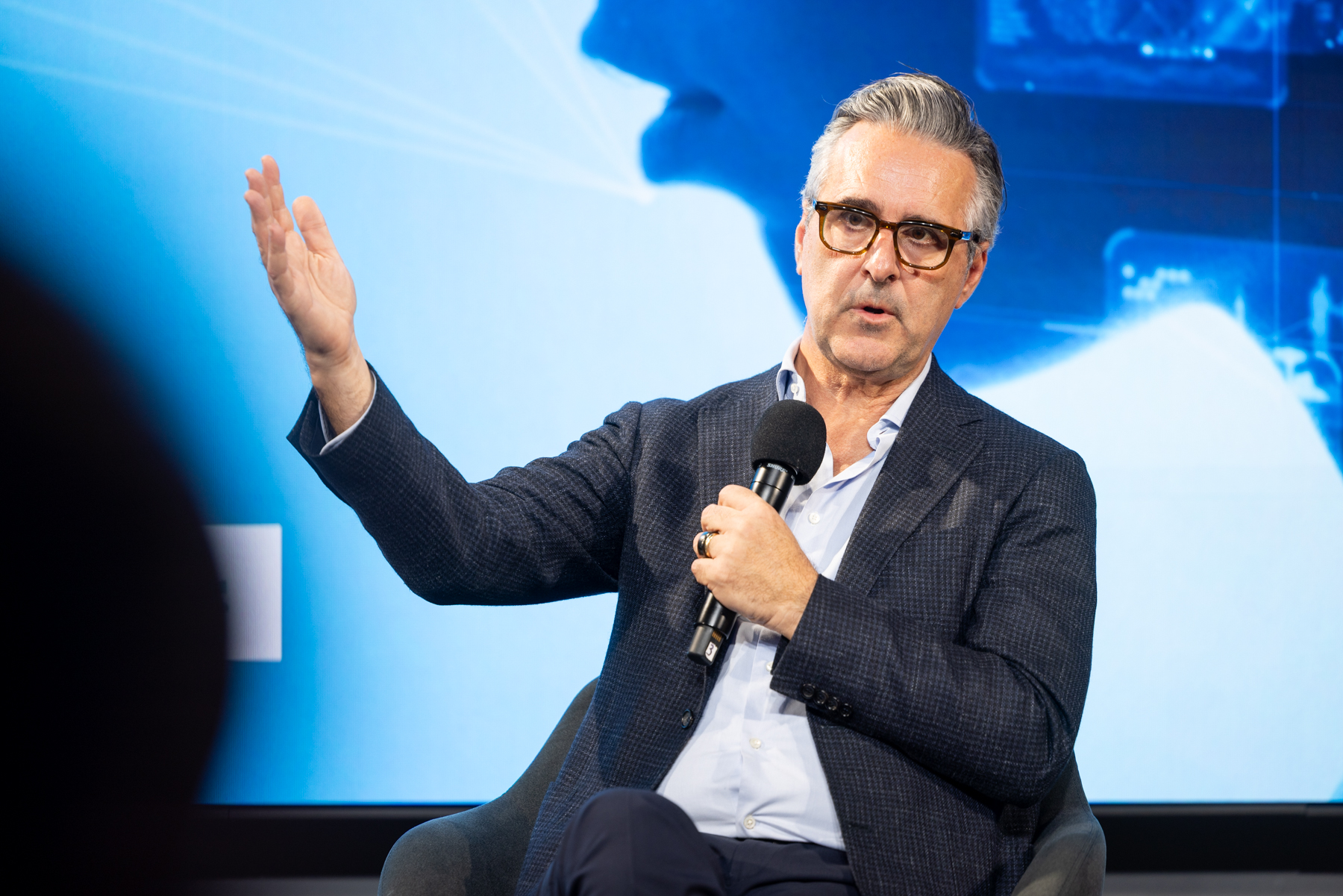 Della Volpe moderated a conversation with NECO and SUNY students, offering participants a firsthand perspective on the values, concerns, and aspirations of the generation preparing to enter professional practice.
Students described the importance of mentorship, financial security, meaningful professional relationships, work-life balance, and opportunities to develop careers that align with their personal values.
Their perspectives challenged participants to reconsider traditional assumptions about how younger professionals approach employment, professional loyalty, and career development.
Drawing on his research into younger Americans, Della Volpe emphasized that institutions must recognize the social and economic circumstances shaping this generation’s outlook.
“It’s just incredibly important that you find ways to rebuild trust,” Della Volpe said. “The best way to do that is really what the students offer today, which is, ‘Help us tell our stories.’”
The conversation also underscored the importance of creating more opportunities for students to learn directly from practicing optometrists and industry leaders.
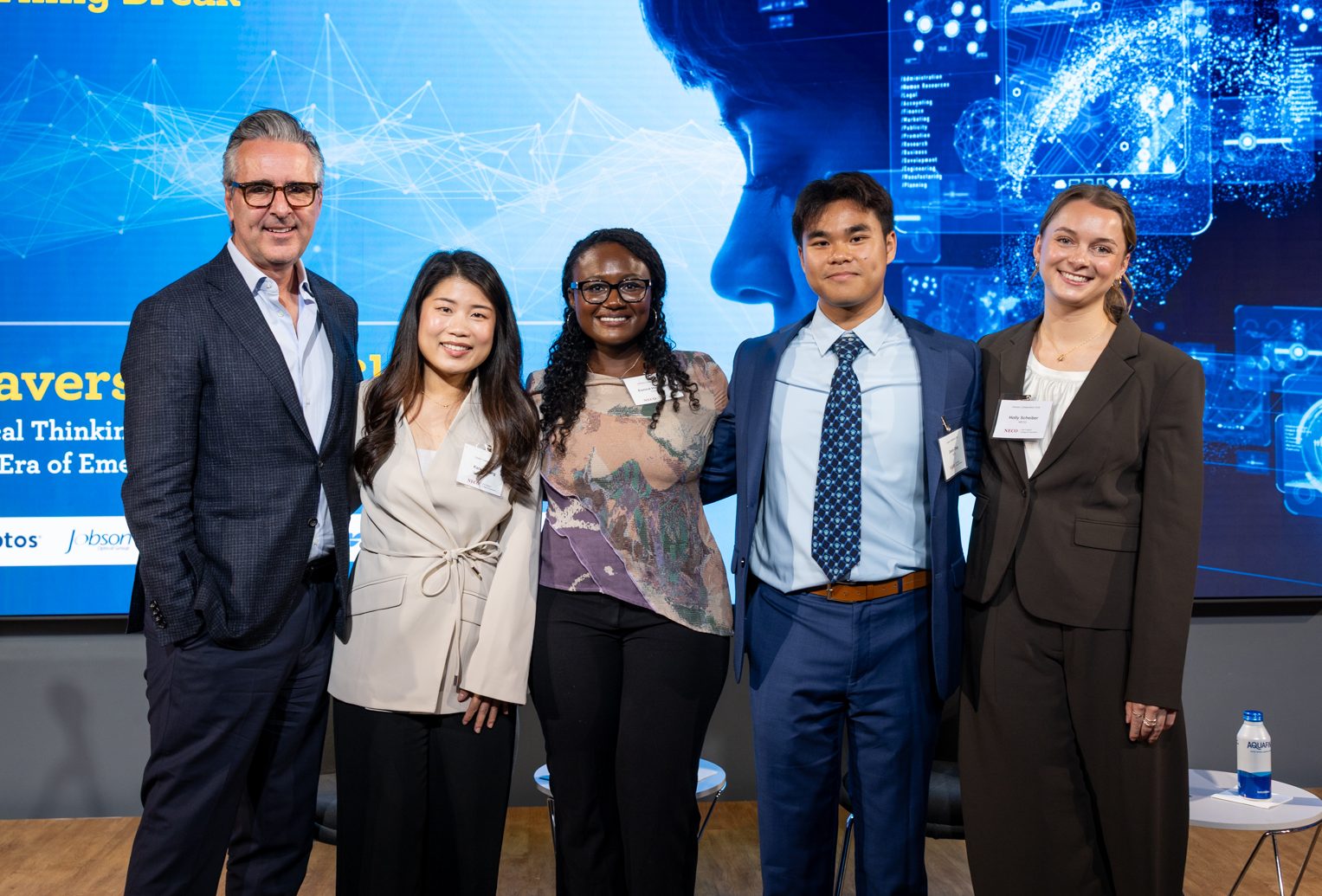 One student called for more sustained mentorship, explaining that brief professional encounters often leave insufficient time to explore the challenges, mistakes, and lessons that can help young clinicians navigate the transition into practice.
Others encouraged industry partners to engage with students through campus programs, practice visits, conferences, and informal networking opportunities.
The discussion reinforced the importance of understanding Generation Z not simply as future employees, but as individuals whose expectations will influence how optometric practices, educational institutions, and professional organizations evolve.
Artificial Intelligence: Supporting, Not Replacing, Clinical Judgment
The Collaborative also examined the opportunities and challenges presented by artificial intelligence (AI) in optometric education and clinical practice.
Participants considered how AI-powered technologies could enhance diagnostic capabilities, expand educational opportunities, and help students develop essential clinical skills, while also raising important questions about professional responsibility, patient trust, and independent clinical reasoning.
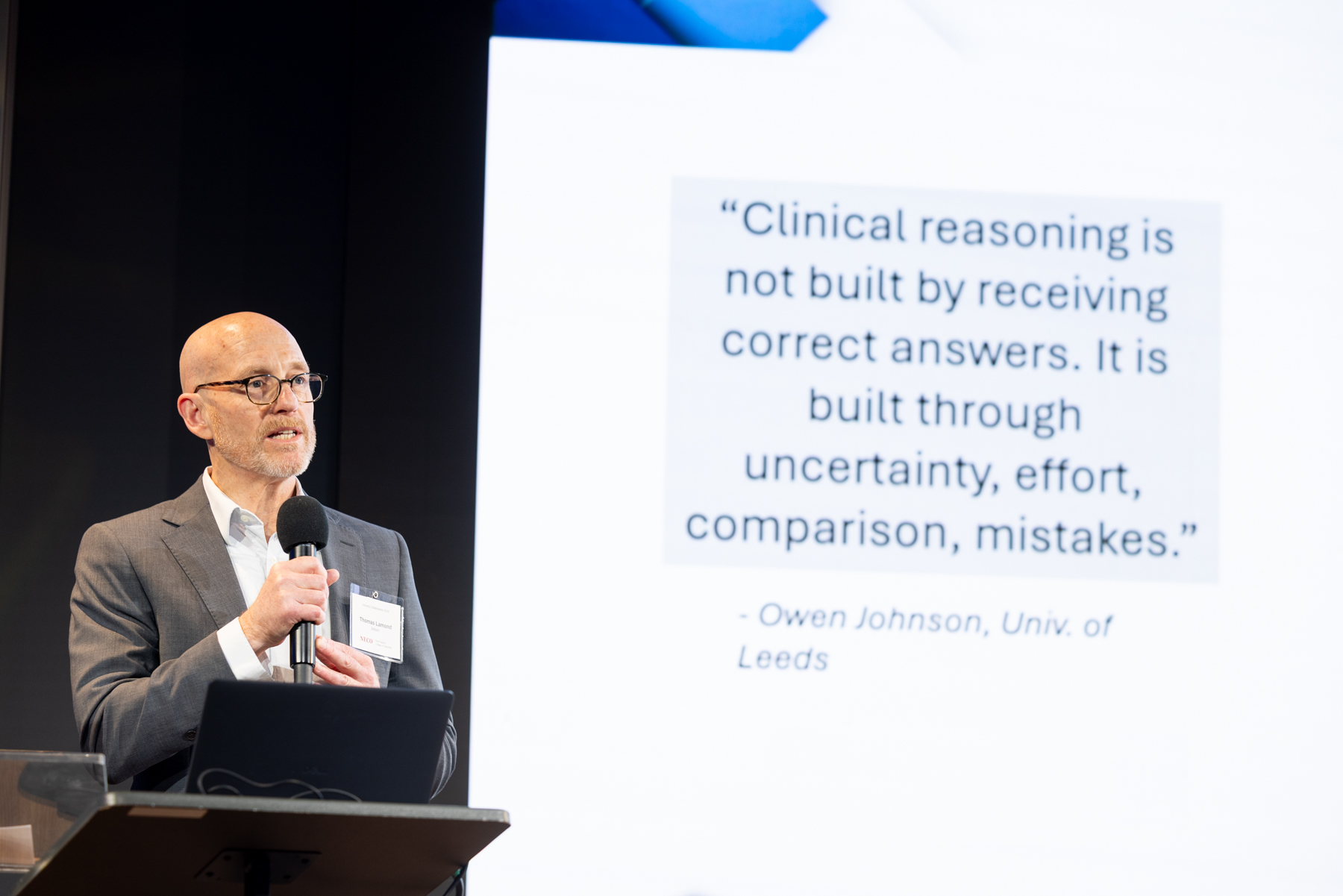 Thanks to a comprehensive national survey conducted by Jobson Optical Group in consultation with NECO, the audience reviewed data related to a survey (n=860) of optometrists’ and optometry students’ attitudes toward AI and the conditions under which practitioners might embrace emerging technologies.
A recurring theme was that artificial intelligence should strengthen, rather than substitute for, the knowledge and judgment of trained clinicians.
The discussion centered around the degradation of clinical judgment and highlighted a distinction between using AI to provide information and using it to cultivate analytical and clinical reasoning skills required for effective patient care.
Rather than retreating from AI, participants argued that academic institutions must adapt by actively modeling its use in training. Recognizing that future practice will use these tools, optometry schools must focus on foundational clinical reasoning—interpreting complex data, managing ambiguity, and exercising sound judgment to dictate how technology serves patient care.
Interactive exercises asked attendees to evaluate hypothetical applications of AI in optometric education, including automated analysis of optical coherence tomography images and simulated patient encounters. Participants considered whether each technology supported, extended, or potentially replaced students’ clinical reasoning.
These exercises encouraged discussion about where AI can add meaningful educational value and where excessive reliance on technology could undermine the development of professional expertise.
The sessions also reinforced the need for ongoing faculty development, profession-specific AI training, and continued collaboration between educators, clinicians, and technology developers.
Collaboration as a Catalyst for Change
Throughout the program, participants returned to a central question: How can the profession work collectively to prepare for changes that no single institution or organization can address alone?
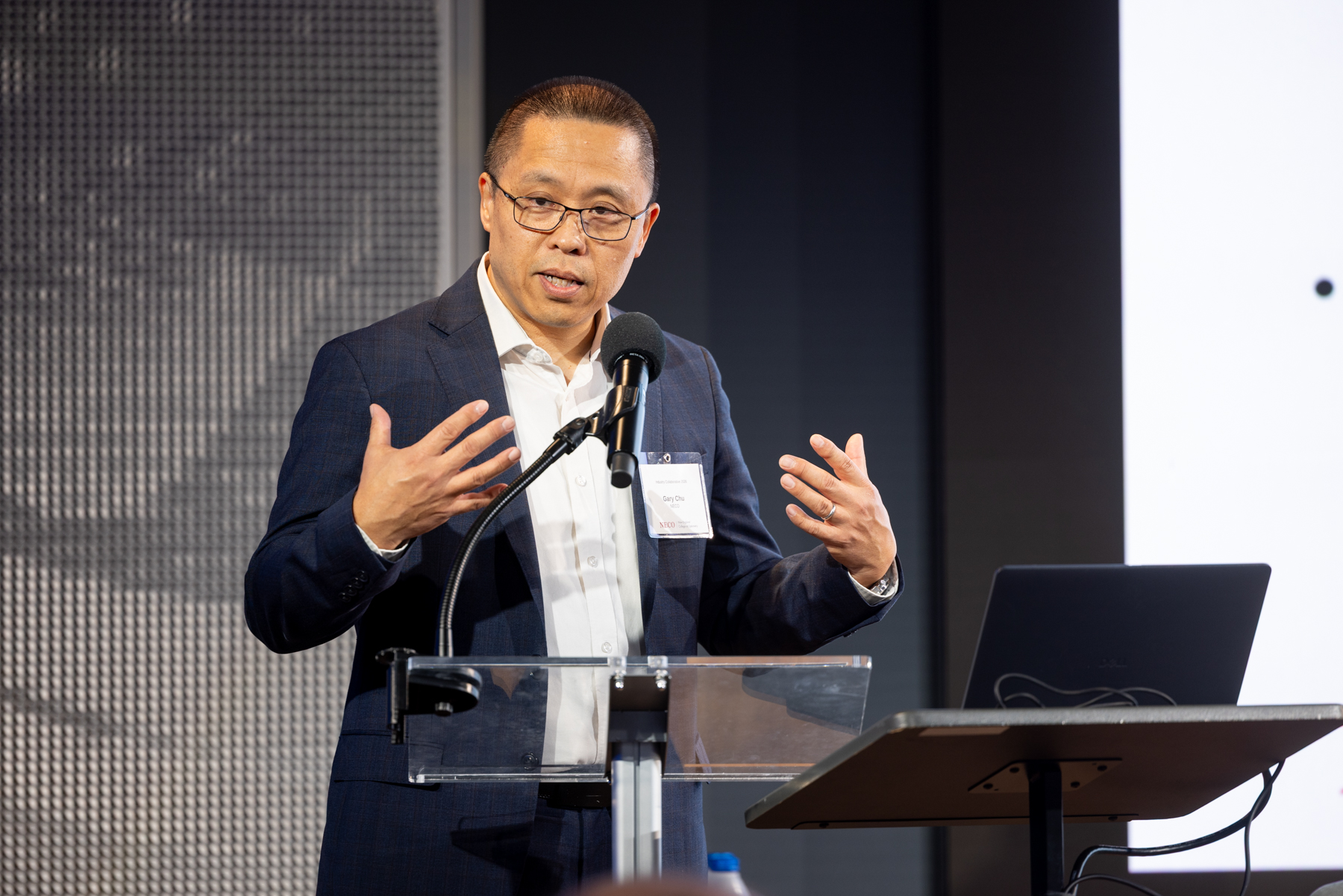 Gary Chu, OD, MPH, FAAO, organizer of the Industry Collaborative, emphasized the importance of creating an environment where participants could exchange ideas openly, challenge assumptions, and develop practical approaches to shared challenges.
The Collaborative’s discussions reflected NECO’s longstanding commitment to bringing together stakeholders whose perspectives are essential to the future of optometric education and patient care.
A concluding discussion, co-moderated by Dr. Purcell and Anne Cooper, Editorial Director of Jobson Optical Group, brought participants together to reflect on the day’s findings and consider how the conversations could translate into continued action.
The importance of maintaining an ongoing dialogue emerged as a key takeaway, particularly as artificial intelligence continues to evolve and the profession gains a deeper understanding of the expectations of emerging generations.
“This is just the beginning of the dialogue,” Purcell said in his closing remarks. “We’ll be following up with you and trying to assure that we can keep the dialogue going.”
Cooper echoed that commitment.
“AI is going to continue to evolve and change, and so our dialogue and our conversations around it need to continue,” she said.
For NECO, the 2026 Industry Collaborative reinforced the importance of connecting educational innovation with the practical experience and resources of the broader profession.
As optometry navigates rapid technological change and shifting workforce expectations, the College remains committed to fostering the partnerships, conversations, and shared solutions that will help prepare future generations of optometrists to provide exceptional patient care.
View the livestream video: https://necolivestream.org
Join the Industry Collaborative working group: AI Guardrails & Clinical Reasoning in Optometric Education: https://form.jotform.com/263125948914061