

NECO’s Leadership History
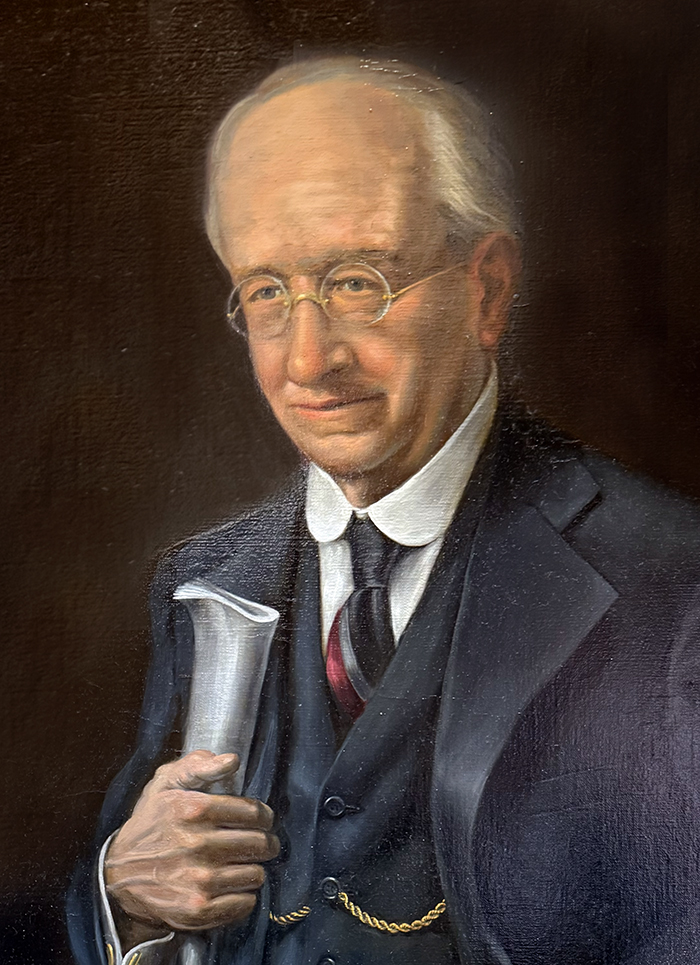
Dr. August A. Klein
Dr. August A. Klein
Founder & President
1894-1936
The New England College of Optometry was founded in 1894 by August Andreas Klein, MD. Dr. Klein, a practicing ophthalmologist, recognized the need for special training in the use of optical devices and, in 1894, launched the Klein School of Optics at 2 Rutland Street in Boston.
Dr. Klein graduated from the Boston University School of Medicine in 1882. Following an internship at the Homeopathic Hospital in Boston, he went abroad to study ophthalmology in Jena, Heidelberg, Leipzig, and Berlin. Upon his return to America, he launched both his practice and the Klein School. He would continue to lecture, mostly Theoretic Optics, and to serve as the School’s President until his death in 1936. His three children also studied at the school, two of whom would later lead the instituition founded by their father.
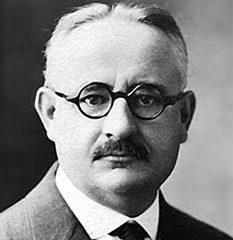
Dr. Theodore F. Klein
Dr. Theodore F. Klein
President
1936-1946
Upon his father’s death in 1936, Dr. Theodore F. Klein was named President. He would serve until his own death ten years later. Charlotte Klein Huntington remembers her father as a “hands-on” manager, close to the day-to-day running of the School.”
Dr. Klein insisted that the College do a better job of attracting women to the field of optometry, an effort that put the institution on a path to become a leader in this area. Today, our student body is nearly 75% female. During World War II, the student body dwindled to just four or five people per class, as many students left school to join the war. Post-war student recruitment became a top priority for the next administration after Dr. Klein tragically died at work from a cerebral hemorrhage.

Dr. Herman L. Klein
Dr. Herman L. Klein
President
1946-1951
Dr. Herman L. Klein, another son of the College’s founder, was a member of the College’s first graduating class in 1897. During a particularly contentious period in the early 1940s, the College nearly disbanded. Leadership named new incorporators who, in 1946, appointed Dr. Klein as president.
After a reorganization, a non-profit charter was granted to the institution and an accelerated program to assist returning G.I.s saw class size grow from 28 to 98. Dr. Klein believed that the College played an important role in welcoming soldiers home and helping them build careers to support their families. This reputation as a welcoming place for veterans would later be evidenced by NECO’s role in developing optometric services within the VA healthcare system.
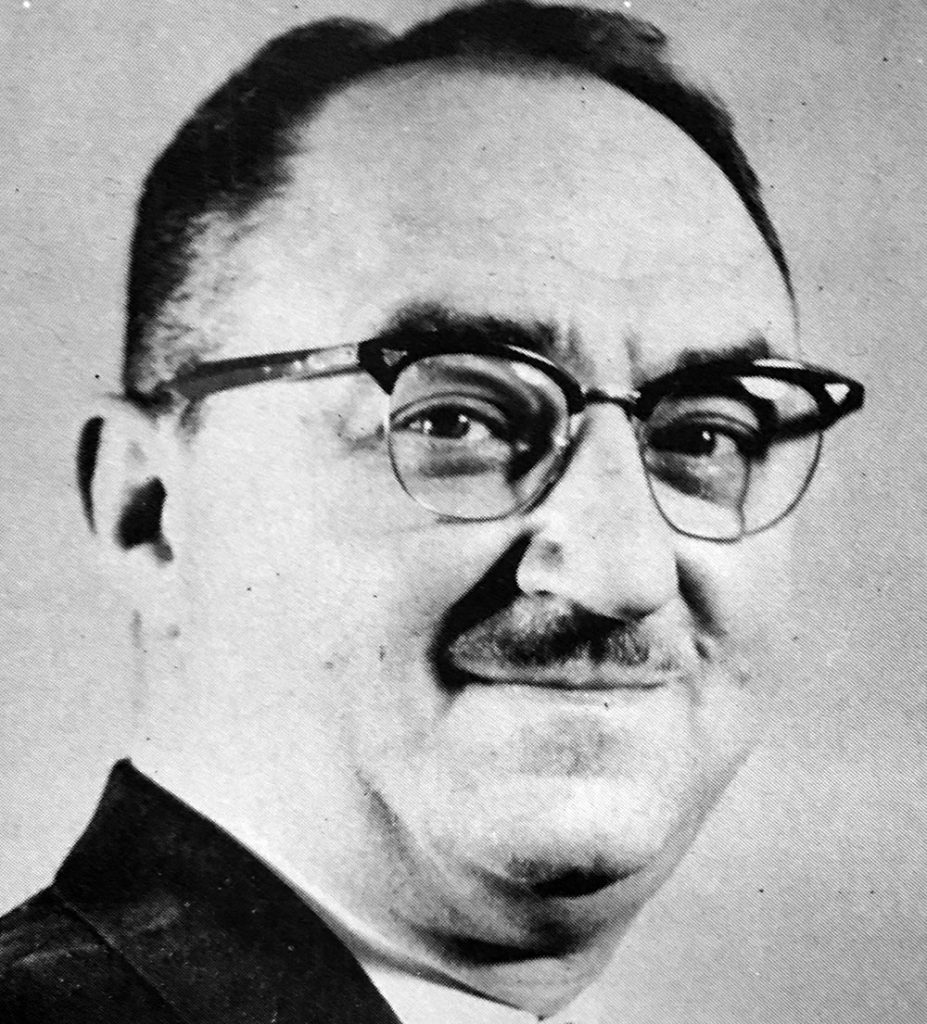
Dr. Ralph H. Green
Dr. Ralph H. Green
Dean of the College
1946-1965
Dr. Ralph H. Green, who would lead the College through two critical decades, entered as a student in 1927. Within three years, he was asked to join the faculty. He was named Dean in 1946 and would continue to teach for another 35 years. The role of Dean was created to separate academics from the administration of the College, which was handled by the President of the Board of Trustees. Dr. Green was fond of visiting charitable organizations in Boston and surrounding cities, offering screenings to children in need. This work was performed by accompanying teams of four or five senior optometry students. Among these organizations was the Italian Home for Children, the Home for Catholic Children, and the Home for Little Wanderers.
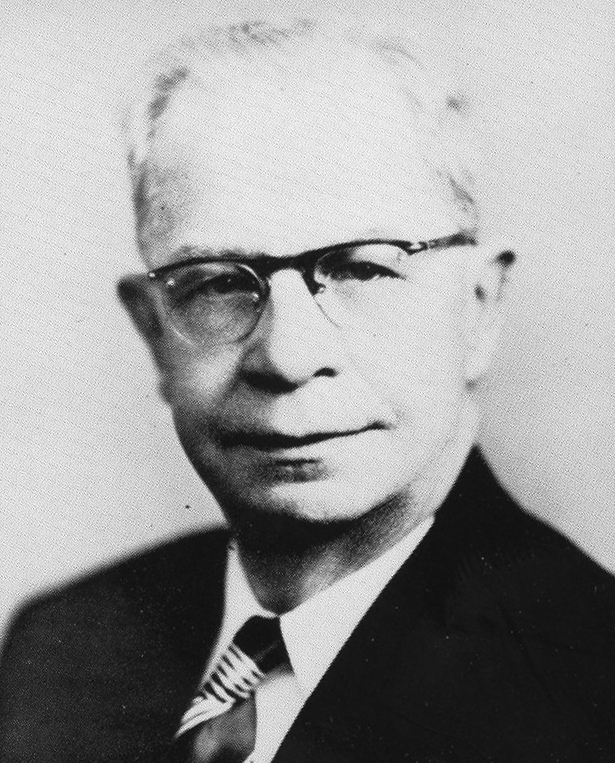
Dr. Joseph F. Montminy, Sr.
Dr. Joseph F. Montminy, Sr.
President of the Board of Trustees
1951-1962
Dr. Joseph F. Montminy was one of the incorporators of the College and served on the Board of Trustees from 1946 until his selection as President in 1951.
Dr. Montminy served not only the College and its students, but also the local community and the general public as a state senator and chairman of the Committee on Public Health. He was instrumental in helping to pass legislation safeguarding the practice of optometry in the State of Massachusetts.

Dr. G. Edward Bradley
Dr. G. Edward Bradley
President of the Board of Trustees
1962-1969
Dr. G. Edward Bradley graduated from the College in 1932. He had an unfailing commitment to NECO and the optometric profession, playing a considerable role in shaping the future of the institution.
Dr. Bradley was a devoted public servant as a member of the Massachusetts House of Representatives. He helped the College by crafting legislation to further the practice of optometry in the state. He also served as Mayor of Somerville for a number of years while practicing optometry in a nearby clinic. Interestingly, Dr. Bradley was also a medium heavyweight championship boxer in his youth.
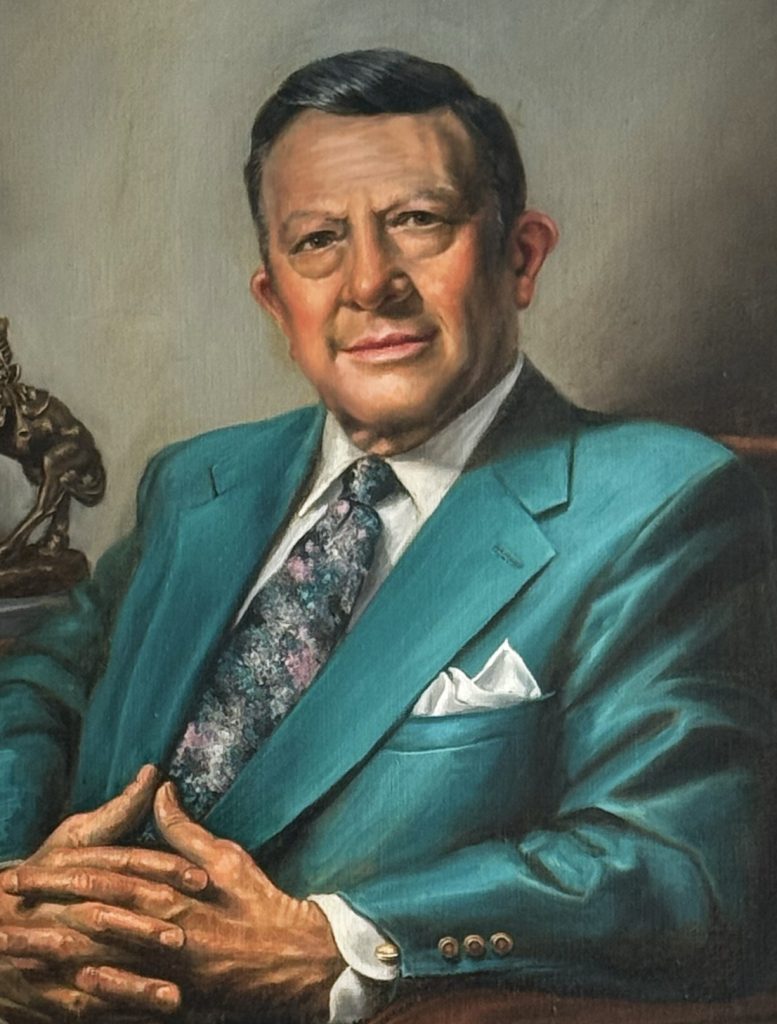
Dr. Hyman R. Kamens
Dr. Hyman R. Kamens
Dean of the College
1965-1969
Dr. Kamens, a NECO graduate, joined the faculty in 1948. He taught at NECO for 50 years and held several leaderships posts, including Dean of the College from 1965 to 1969, Dean of Administration from 1969 to 1975, and Dean and Vice President of Student Affairs and Admissions from 1975 to 1996. Dr. Kamens became one of the College’s most beloved faculty members and administrators.
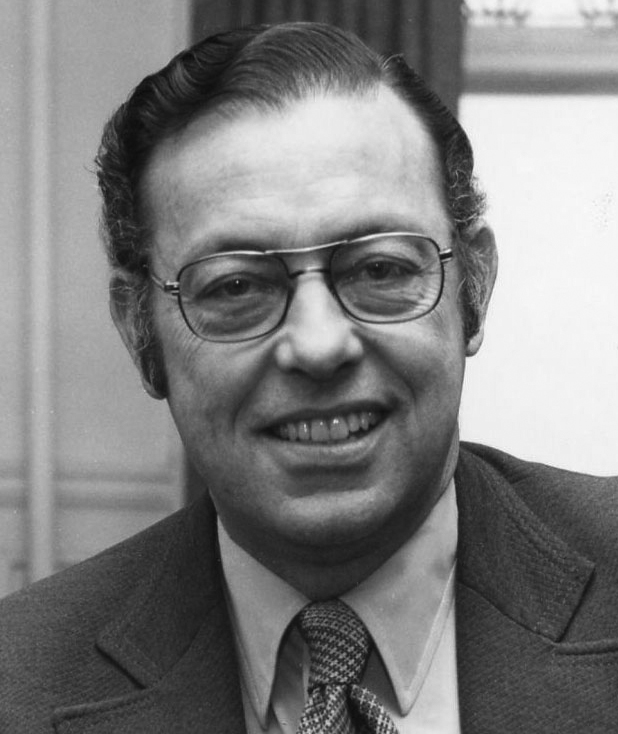
Dr. William R. Baldwin
Dr. William R. Baldwin
President
1969-1979
In 1969, Dr. William R. Baldwin was named President, a post he would hold for a decade. The 1970s would be a decade of dramatic change. Dr. Baldwin and NECO graduate Dr. Charles F. Mullen, Baldwin’s special assistant for clinical development, recognized the multiple advantages that collaborating with community health centers could offer the students, since optometry students at the time were only seeing a very narrow patient type. The clinical education program was enriched with quantity and diversity of eye conditions such as glaucoma, cataracts and macular degeneration.
Coincident with NECO’s educational mission was a commitment to provide eye care services to underserved communities, which was realized with the new partnerships with the state’s community health centers. Dr. Baldwin was also responsible for securing more than $3 million in grants, a first for the instituion. During Dr. Baldwin’s tenure, new programs were created that included a fast-track two-year course of study, which is currently known as the Accelerated OD Program, or AODP. Continuing education programs, a three-year master’s program, and a collaborative PhD program in vision science were also added. In 1975, the college was called to educate and certify the first optometrists to use diagnostic pharmaceutical agents.

Dr. F. Dow Smith
Dr. F. Dow Smith
President
1979-1985
Dr. F. Dow Smith, an optical physicist with Itek Corporation, was named President in 1979. He would hold this post until 1985 and would be credited with changing the financial structure of the College.
During his presidency, the College purchased 418 Beacon Street, the brownstone next to what was then the Library. The $550,000 purchase with nothing down was financed through a bond issue, the College’s first, from the Massachusetts Health and Educational Facilities Authority. A home for clergy of the Archdiocese of Boston at the time, it became a dormitory for 30 optometry students. However, the purchase didn’t come easily. The College was challenged by the Back Bay Association, a group dedicated to controlling development of the area. Eventually, the College had to appeal its case to the Boston Planning Board before it was approved.
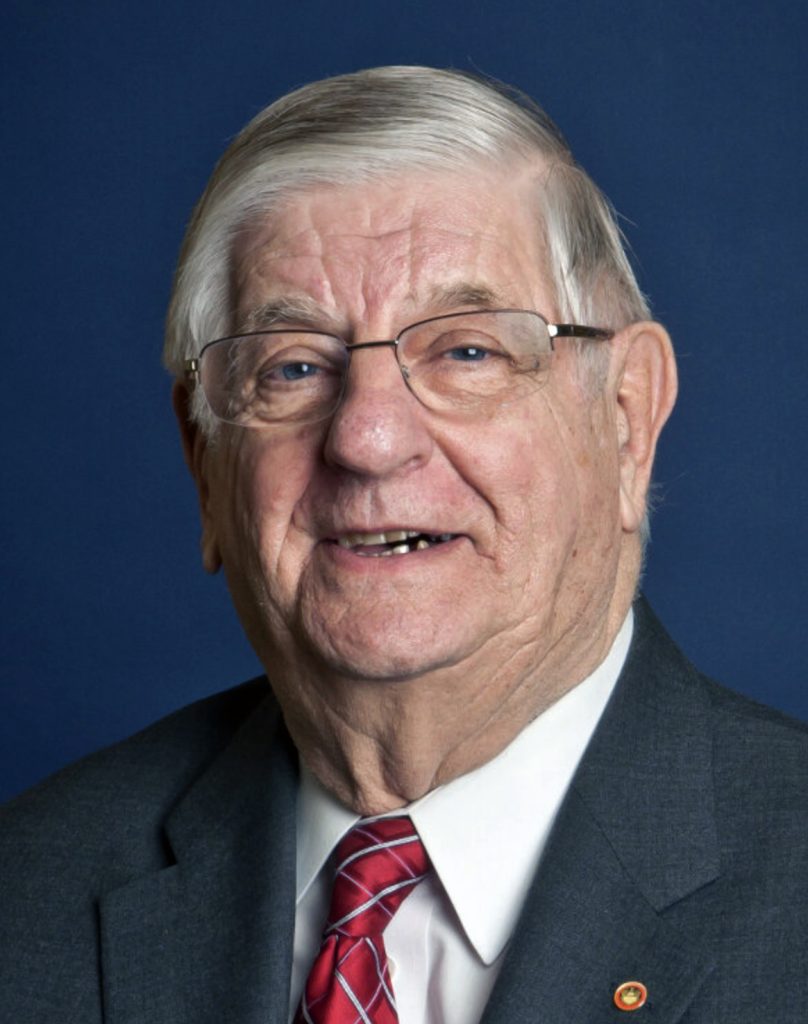
Dr. Sylvio L. Dupuis
Dr. Sylvio L. Dupuis
President
1985-1989
Dr. Sylvio L. Dupuis, New Hampshire’s Commissioner of Health and Human Services, was named as the College’s new President in 1985. A politician at heart, he had been out of the optometry profession since 1971, when he success fully ran for mayor of Manchester, NH. In 1975, he had become the founding President of Catholic Medical Center in Manchester. His biggest surprise upon arrival was the institution’s attitude.
“There was a smallness mindset that I tried to replace with a ‘jewel in the crown’ mindset,” he noted. “If you have only one switchboard person, that person had better be the best because there’s no place to hide. We should pay more, rather than less, because we are going to demand more accountability. We brought in an outside person to help us look at salary ranges and wage scales for faculty and staff. If we are going to make an investment in someone, then our goal should be longevity.”

Dr. Larry Clausen
Dr. Larry R. Clausen
President
1989-1999
Dr. Clausen came from Pacific University in 1982 to serve as Dean of Academic Affairs, the first such appointment to involve faculty input. His visionary insights led to educational innovations that changed optometry not only in the United States, but throughout the world.
First, he made the Board of Trustees more active in the life of the College and strengthened the Trustees’ role as a functioning committee by encouraging greater participation in the implementation of programs and policies. Second, he realized that the College had to change its reliance on tuition as a primary source of income. The College enjoyed a private heritage of independence and strength which it was determined to continue, which resulted in the investment in a Director of Recruitment.
Dr. Clausen also realized the need for a clearer focus for the future. In 1990, he held a retreat that brought together the Board of Trustees, administration, faculty, and staff to set the agenda and expectations for the decade ahead. They developed a Planning Committee and adopted an institutional Mission Statement in 1991. They also developed breakthrough goals which called upon the College to realign resources through fiscal conservatism.
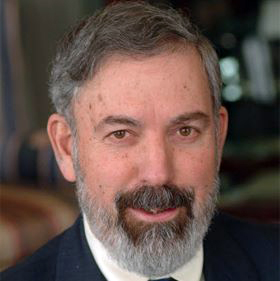
Dr. Alan L. Lewis
Dr. Alan L. Lewis
President
1999-2006
A NECO graduate (Class of 1965), Dr. Lewis moved from the Michigan College of Optometry at Ferris State University to become NECO’s president in 1999. He retired in 2007. Dr. Lewis was committed to the idea that any truly learned profession must contribute to the generation of new knowledge to sustain and enhance its scientific foundations. He supported an active and productive basic and applied research effort that encompassed a diverse array of investigations into such questions as the etiology and development of myopia, the treatment of diabetes mellitus, the efficacy and safety of orthokeratology, the role of aberrations in visual performance, and the design of health care delivery models. Through the College’s research education programs, a master’s degree program and summer research fellowships, students were more fully engaged in vision research, which continues today.
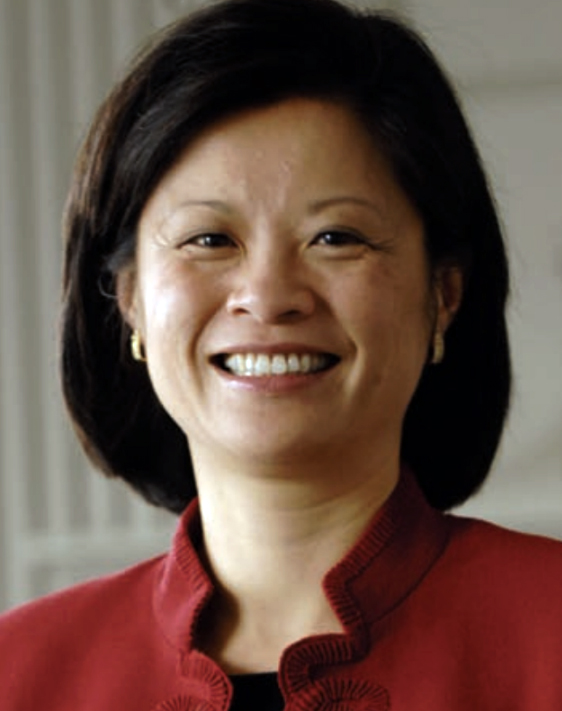
Dr. Elizabeth Chen
Dr. Elizabeth Chen
President
2006-2009
Dr. Elizabeth Chen holds the distinction of being the first woman to serve as president at a school or college of optometry in the United States. During her tenure at the College, she expanded the educational infrastructure with the capability for synchronous distance learning, secured federal and private funding for research and electronic health records, increased philanthropy to the school, and helped the college and students navigate through the global financial crisis of 2007-2008. When the graduate education loan market collapsed in 2008, the College developed an internally funded lending program so that students, whose lenders exited the market, could continue pursuing their degrees.
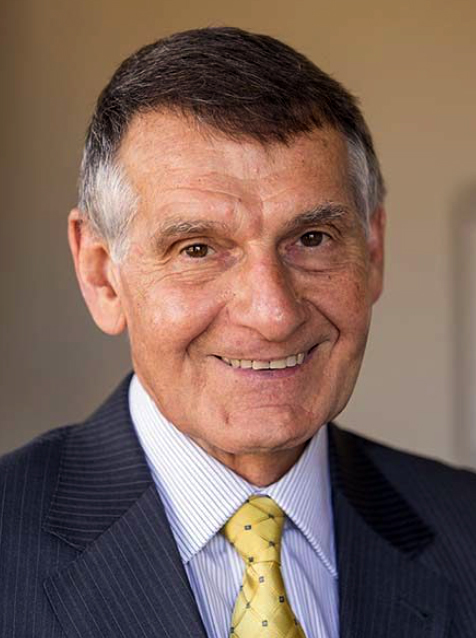
Dr. Clifford Scott
Dr. Clifford Scott
President
2009-2018
Dr. Scott received his OD degree from NECO (then the Massachusetts College of Optometry) in 1968. He also served as an Air Force optometrist and chief optometrist at the West Roxbury VA Medical Center. He became a professor at NECO in 1990, and later served as chair of the Department of Community Health as well as Dean of Academic Affairs.
Dr. Scott’s spirit of innovation helped shape a curriculum and clinical program for NECO’s graduates to be successful in the tumultuous world of health care reform. Dr. Scott was instrumental in implementing the clinical campus concept where all NECO’s clinical functions —patient care, learning, and clinical research — are brought together under one roof, sharing space and incorporating high-tech instrumentation. The final phase of this clinical campus was completed shortly before the opening of NECO’s state-of-the-art student clinical training center. During his tenure as President, Dr. Scott also worked as a community leader, building partnerships locally, nationally, and internationally.
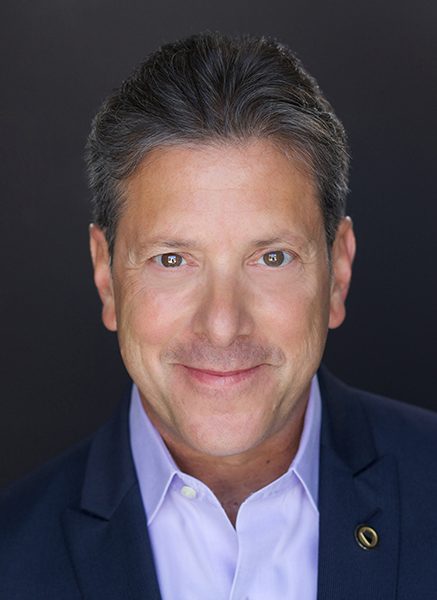
Dr. Howard Purcell
Dr. Howard Purcell
President and CEO
2018-present
Dr. Howard Purcell has been President and CEO of the New England College of Optometry (NECO) since July 2018. Before assuming his leadership role at NECO, he served as Senior Vice President at Essilor of America and Senior Director at Johnson and Johnson Vision Care. A second generation graduate of the New England College of Optometry, Dr. Purcell also participated in a group optometric practice for eleven years with his father in Miami Beach, FL.
Dr. Purcell is a Diplomate in the Cornea, Contact Lenses and Refractive Technologies Section of the American Academy of Optometry. Most recently, Dr. Purcell has brought national attention to the role of artificial intelligence in the practice and education of optometry. He has spearheaded efforts to integrate AI and asynchronous education platforms into NECO’s curriculum.