

How Optometry Can Save Lives
Optometry Can Play a Critical Role in Detecting Systemic Disease
When people think about eye exams, they often think about updating glasses prescriptions or checking for blurry vision. But a visit to the optometrist can do far more than improve how you see — it can quite literally save your life.
At New England College of Optometry (NECO), our students and faculty know that the eyes are a window into overall health. During a routine eye exam, optometrists are trained to detect early signs of serious systemic diseases — sometimes even before a patient experiences any symptoms.
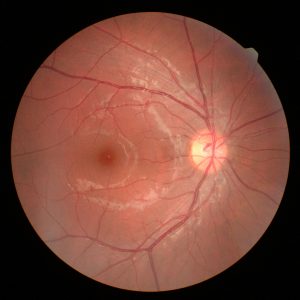 Here’s how optometry plays a critical role in detecting—and sometimes saving patients from—life-threatening conditions.
Your Eyes Reveal More Than You Think
The eye is the only place in the body where doctors can view blood vessels, nerves, and connective tissue without surgery. With the help of advanced imaging and examination tools, optometrists can detect subtle changes that may signal disease elsewhere in the body.
Life-Threatening Conditions Often First Spotted in the Eye
Optometrists can identify signs of several systemic illnesses during a comprehensive eye exam, including:
1. High Blood Pressure (Hypertension)
Changes in the retinal blood vessels, such as narrowing, swelling, or bleeding, can be early indicators of hypertension. If left undiagnosed, high blood pressure can lead to stroke, heart attack, or organ damage — but optometrists often catch the signs first.
2. Diabetes
One of the most common ways diabetes is first diagnosed is through signs of diabetic retinopathy, a condition where high blood sugar damages the tiny vessels in the retina. Early detection can lead to better management and prevent serious complications, including vision loss and kidney disease.
3. Brain Tumors and Aneurysms
Swelling of the optic nerve (papilledema) can signal increased pressure in the brain — a potential sign of a brain tumor or aneurysm. Optometrists are often the first healthcare providers to detect this abnormality and refer patients for urgent neurological imaging.
4. Multiple Sclerosis (MS)
One of the early symptoms of MS is optic neuritis, inflammation of the optic nerve that can cause blurred or dim vision. An eye exam can reveal this inflammation, sometimes before other neurological symptoms appear.
5. Autoimmune Diseases
Conditions like lupus or rheumatoid arthritis can cause inflammation in different parts of the eye, including the retina, uvea, and cornea. An optometrist may be the first to observe these signs and refer the patient for further evaluation.
6. High Cholesterol
Plaque buildup in the retinal arteries — or visible cholesterol deposits in the eye — can indicate high cholesterol, increasing a patient’s risk of stroke or heart disease. Detecting these signs early may prompt life-saving lifestyle changes or medication.
Real Lives, Real Impact
Every year, NECO students and alumni contribute to early detection of serious illnesses through comprehensive eye care. For many patients, their eye exam turns into a life-saving encounter:
- A student clinician spots swelling behind the eye and refers the patient for a brain MRI — revealing a tumor.
- An optometrist identifies signs of diabetes in a patient with no prior diagnosis, allowing them to begin treatment and avoid long-term complications.
- A routine eye exam detects signs of hypertensive retinopathy, prompting emergency care that prevents a potential stroke.
These aren’t rare occurrences — they’re part of the daily impact of optometric care.
Optometrists Are Essential Healthcare Providers
Optometrists are not just vision specialists — they are trained, licensed, and equipped to diagnose and manage ocular signs of systemic disease. That’s why comprehensive eye exams are so important, even for patients who don’t wear glasses or contact lenses.
At NECO, students receive advanced training in both ocular health and systemic disease recognition. Our clinical partners and faculty emphasize interprofessional collaboration, so students learn when and how to refer patients to primary care, endocrinology, cardiology, neurology, and beyond.
What This Means for Patients
- Schedule regular comprehensive eye exams, even if your vision seems fine.
- Don’t ignore changes in vision, such as sudden blurriness, flashes of light, or eye pain — they may signal something more serious.
- Know that your optometrist is looking out for your whole health, not just your eyesight.
Final Thought: Optometry as a Lifesaving Profession
At NECO, we teach our students that being an optometrist is about more than helping people see better — it’s about helping people live longer, healthier lives. The eyes often tell the first chapter of a larger story. With the right training, care, and attention, optometrists can change—and even save—lives.