

How COVID Will Impact the Optometry Industry for Decades
The COVID pandemic has dramatically transformed many industries, including optometry. Over the last several years, the world was forced to navigate through the aftermath. Optometry is poised for significant changes that will impact patients, practitioners, appointments, eye care practices, and the industry at large. Here’s a look at how COVID-19 will shape the optometry industry over the next decade.
Pandemic-Related Eye Issues
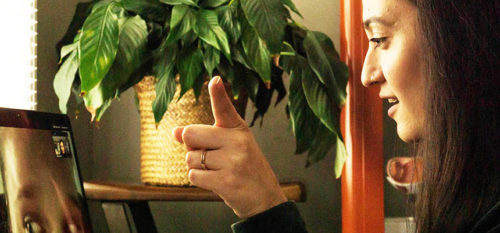
One of the most significant shifts during the pandemic was the rapid adoption of telehealth services. Optometry, traditionally an in-person appointment, saw a surge in virtual consultations and remote eye care. This trend is likely to continue, with advancements in tele-optometry patients now receive eye care from the comfort of their homes. Enhanced telehealth platforms will enable the efficiency of remote eye exams, monitoring of chronic conditions, and even virtual try-ons for eyewear. Improved telehealth means optometrists are able to treat conditions like dry eye disease and even sometimes myopia.
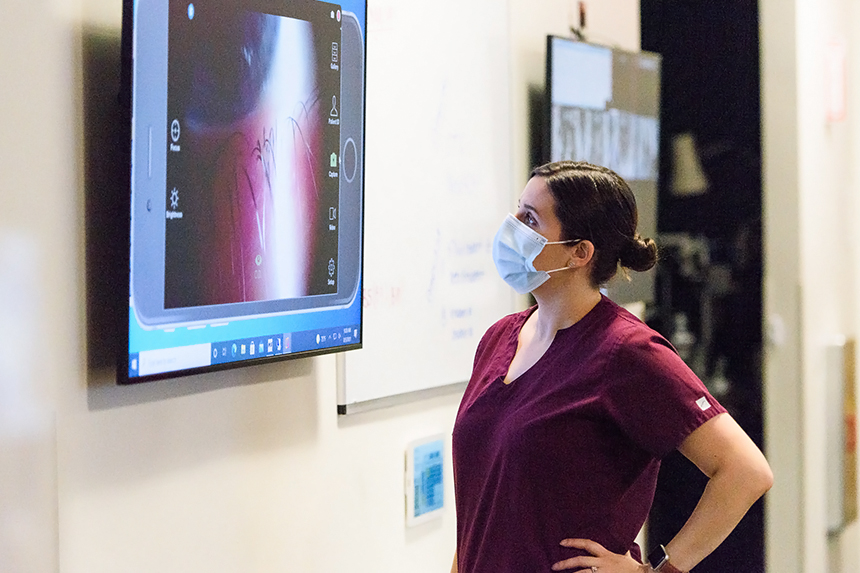
More optometry appointments can be done remotely. Helping eye care practices reach more patients
Planning for More Patients
This shift has led to greater demand for eye care services, driving growth in the optometry field. Optometrists will play a crucial role in educating patients about the importance of regular eye exams and proper eye care practices. Students interested in the medical and healthcare field should consider becoming an optometrist as the demand is high for more and more doctors of optometry to treat patients. Just like the rest of educational institutions, optometry schools are also providing remote learning and online schooling. The industry will see a shift towards continuous professional development and upskilling to keep pace with technological advancements and evolving patient needs to improve their sight. Read more NECO news to learn about other ways telehealth and remote learning are impacting optometry.

Becoming an optometrist has evolved curriculum to meet online schooling needs of students.
Eye Care Over the Next Decade
The COVID-19 pandemic has undeniably accelerated changes in the optometry industry, many of which are likely to have long-lasting effects. From the expansion of telehealth and e-commerce to advancements in technology and practice management, optometry is entering a new era of innovation and patient-centered care. As the industry adapts to these changes, the primary focus will remain on enhancing patient outcomes and promoting eye health in an increasingly digital world. The next decade will be an exciting period of growth and transformation for optometry, driven by lessons learned during the pandemic and the pursuit of changing the way people see the world.