

Students Experience Community During CHC Rotations

Students Experience Community During CHC Rotations
There is something so meaningful about seeing the tangible impact we have on the lives of patients. These individuals are all unique and resilient despite the variety of challenges that can limit their access to care. They serve as motivation for me to advocate for a more equitable, accessible healthcare system.
Tabarek Kadhim, OD2
NECO requires all optometry doctorate (OD) students to complete a rotation at both a community health center (CHC) and a Veterans Affairs (VA) center as part of their graduation requirements. These rotations provide students with valuable insights into delivering eye care services to diverse communities with varying needs. Through these experiences, students develop essential skills in understanding social determinants of health, culturally-safe care, and ensuring equitable care delivery. Many students find their perspectives on career paths shifting towards multidisciplinary, medically-based optometry after completing rotations at CHCs.
Students generally embark on their CHC rotations starting in the fall of their second year, continuing through their third year, and culminating in at least one rotation during their fourth year. We have invited second and third-year students to share their reflections on their experiences in local CHCs and their aspirations for post-graduation work. Purva Atreay, a third-year OD student, is currently engaged in clinical work at Dimock Health Center in Roxbury, having previously completed a rotation at Charles River Community Health in Brighton. Likewise, Danya Weinshel, a second-year OD student, is also contributing to patient care at Dimock Health Center this semester. Additionally, Tabarek Kadhim, another second-year OD student, is gaining valuable experience at South Boston Community Health Center.
What is the greatest lesson you’ve learned during your rotation at a Community Health Center?
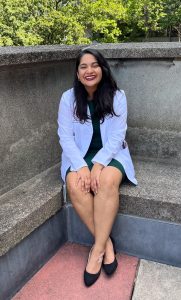
Purva Atreay, OD3
Purva I have learned many lessons while working at community health centers. The most important is the importance of establishing trust by effectively communicating with your patients. My patients may not know English, which can be very daunting, so taking a few extra minutes to make the patient feel comfortable makes a big difference. When possible, I try to communicate with patients in their native language and make an effort to understand their thoughts and experiences.
Danya Health centers offer accessible healthcare to individuals, particularly those who face challenges reaching the center via walking or public transportation. Community health centers help individuals manage their healthcare by offering a range of specialized services and fostering a better continuity of care between patients and providers.
Tabarek An important lesson I learned from working at a community health center is the importance of advocacy. Seeing patients at SBCHC exposed me to the health disparities and inequities that lie deep within the United States’ healthcare system.
What has been your favorite experience at a Community Health Center?
Purva I think my favorite experience at a CHC came from the wonderful preceptors I have worked with. Every doctor I have learned from is so passionate about community health care and addressing the needs of every patient, whether that comes from finding alternatives that are more cost-effective or taking extra time to educate patients about their diagnoses.
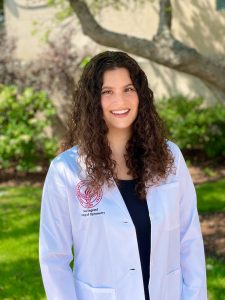
Danya Weishel, OD2
Danya Even in my second year, I’ve already witnessed the profound impact that patience and compassion can have on patients. Recently, while assisting a fellow co-intern, we encountered a patient struggling with daily activities due to an ocular complication. Despite our limited experience, the patient appreciated our thoroughness during the eye exam. She even urged our preceptor to note positive remarks on our evaluations! This experience highlights the importance of treating patients with empathy, alongside our focus on mastering ocular diseases and complications.
Tabarek Besides my great preceptors and co-interns, my favorite experience at South Boston has been getting to know the patients. Every single patient has a different background and a unique personality – it’s an honor and a privilege to get to know who they are beyond their eye conditions.
Would you consider working at a Community Health Center in the future? Why?
Purva Definitely! I would love to work at a community health center in the future. I hope to make at least a small dent in the large disparity in healthcare and I value the holistic approach that community health providers take when treating patients.
Danya When I applied to optometry school, I hadn’t decided on a specific area within the field to practice. What I had decided on was my desire to serve individuals from lower socioeconomic backgrounds and offer care to those who might otherwise go without. Following my experience at community health centers, I can now see how to pursue a career that serves communities from different backgrounds.
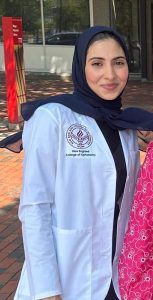
Tabarek Kadhim, OD2
Tabarek I would certainly consider working at a community health center. From the wide range of patients we see to the spectrum of diseases we treat, not to mention the diverse perspectives and approaches of our preceptors, diversity is one part of a health center that I appreciate most. In addition, there is something about seeing the tangible impact we have on the lives of patients. These individuals are unique and are resilient people who have overcome a variety of challenges that may limit their access to care. Their resilience is inspiring and it serves as a motivation for me to advocate for a more equitable, accessible healthcare system.
Dr. Amy Moy is the Senior Director of Community Health Initiatives at NECO. She manages NECO’s health center network and enjoys meeting students who are as passionate about community health optometry as she is.
What is something you would like students to know about a potential career in community health optometry?
While working to help people who are less resourced is rewarding in itself, choosing a career in community health optometry also makes you eligible for Public Service Loan Forgiveness, which is a federal program to support providers working in nonprofit organizations. An optometry salary can be quite competitive in a federally-qualified health center. In addition, you are able to work with providers of so many disciplines all under one roof, collaborating together to ensure a patient’s well-being.
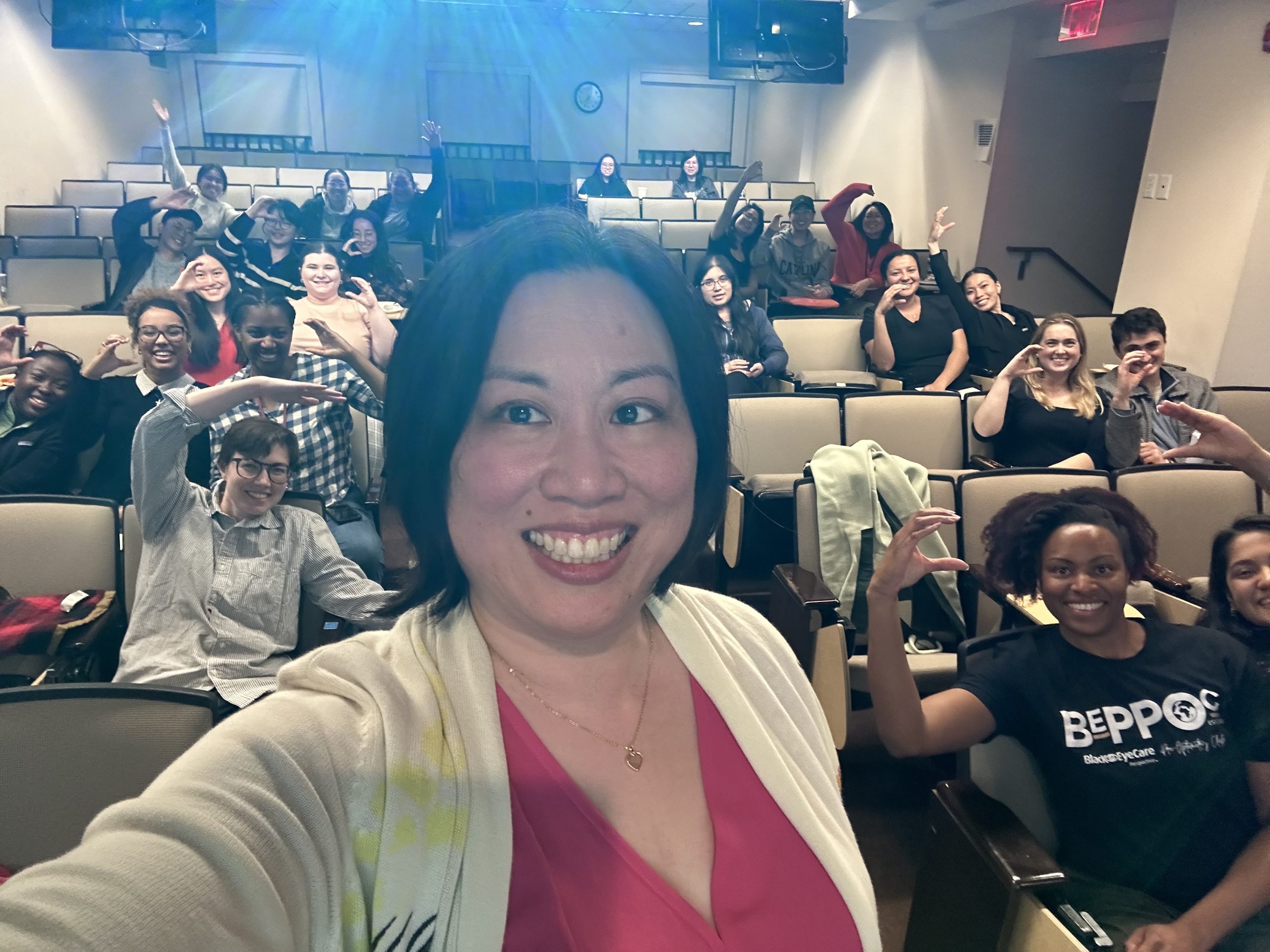
Dr. Moy with the NECO CHC Club
If you share a passion with these students and would like to get more involved with NECO’s community health centers, consider joining NECO Community Health Center Club.
The purpose of our organization is to:
Increase awareness of the function and importance of Community Health Centers.
Prepare students to provide cultural safety in their clinical care.
Provide resources and education for students interested in working at a Community Health Center as a potential career path.
Contact: [email protected] or Dr. Moy at [email protected]