

Principal Investigator
Investigating the Potential Biomarker for Ocular Surface Diseases in Diabetes Mellitus and Contact Lens Wearing Population
-

- Assistant Professor of Biomedical Sciences and Disease
Masters Students

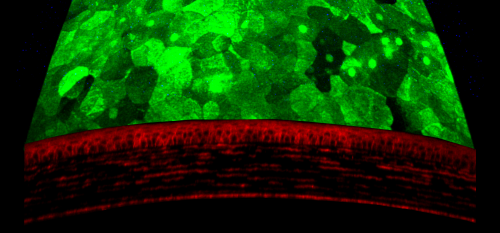
Grace Orallo, a dual-degree student pursuing both her OD (Class of 2028) and a master’s degree, is conducting a thesis project that investigates how defined environmental stressors impact the ocular surface. Her research involves validating a novel Dye Eye Chamber capable of independently modulating temperature, humidity, and airflow in a controlled, reproducible manner. Utilizing in vivo tear collection, immunohistochemistry, and confocal imaging, she assesses alterations in tear composition, corneal epithelial integrity, and immune cell responses. The goal of her work is to inform clinical strategies for preventing and managing environmentally triggered dry eye.
Valaree Villegas, a dual-degree student pursuing both her OD (Class of 2027) and a master’s degree, has been instrumental in our project by conducting a retrospective data analysis of the Standard Patient Evaluation of Eye Dryness (SPEED) survey. Her work focuses on critically examining the limitations and predictive utility of the SPEED questionnaire in assessing the prevalence and severity of Dry Eye Disease.
Student Research Assistants

Joseph Carew, OD Candidate 2029, has contributed to our project investigating diabetic corneal neuropathy and the clinical utility of ocular biomarkers. This research explores how metabolic dysregulation alters corneal nerve health and ocular surface integrity. Specifically, Joseph’s work focuses on identifying key biomarkers within the cornea and tear fluid that could serve as early, non-invasive diagnostic indicators for diabetes and the progression of other diabetes-associated systemic complications.
Zoe Liu, OD Candidate 2029, has contributed to our project evaluating novel therapeutic interventions to prevent diabetic corneal neuropathy and promote corneal nerve regeneration. Her research investigates the efficacy of localized treatments, including topical insulin drops, GLP-1 receptor agonists, and various neuropeptide agents. In addition to tracking nerve recovery, Zoe’s work explores how these treatments influence broader ocular surface parameters, such as epithelial integrity and wound healing. Furthermore, she is analyzing alterations in tear fluid composition to better understand the underlying metabolic and inflammatory shifts occurring on the diabetic ocular surface.
Research Lab Management
Serena Rawle, an OD Candidate for 2029, plays a crucial role in our team as the animal facility manager and caretaker. Her expert management of the facility and attentive care for the animals are essential to maintaining the high standards of our research endeavors.

Maya Szeto, an OD Candidate for 2029, plays a crucial role in our team as the animal facility manager and caretaker. Her expert management of the facility and attentive care for the animals are essential to maintaining the high standards of our research endeavors.

Valerie Winyuwongse, an OD Candidate for 2027, plays a crucial role in our team as the animal facility manager and caretaker. Her expert management of the facility and attentive care for the animals are essential to maintaining the high standards of our research endeavors.
Employing a multidisciplinary approach, Dr. Datta investigates the signaling mechanisms of neuroreceptors like Substance P and Calcitonin Gene-Related Peptide in the cornea and conjunctiva. The research utilizes Type 2 DM mouse models to explore the role of corneal nerves in para-inflammatory responses, focusing on their implications in DED and the overall ocular surface health.
Dr. Datta is dedicated to developing innovative treatments for DED, especially for diabetic patients. Current projects include creating bioactive contact lenses for targeted therapeutic delivery and formulating eye drops that formulating eye drops that target specific neuroreceptors to modulate immune responses at the ocular surface and enhance tear production modulate immune responses. These efforts aim to bridge the gap between systemic health issues and ocular conditions, enhancing patient care in optometry.

- Datta A, Nelson N, Orallo GK, Krull S. (2024). Targeted Corneal Sensory Nerve Suppression via Subconjunctival Injection: A Model for Investigating Bacterial Adhesion and Neuroimmune Interactions. J Vis Exp. 2025 Aug 29:(222). PMID: 40952968 Doi: https://doi.org/10.3791/68614
- Gijs M, van de Sande N, Datta A, et al. A comprehensive scoping review of methodological approaches and clinical applications of tear fluid biomarkers. Prog Retin Eye Res. 2025;106:e101338. https://doi.org/10.1016/j.preteyeres.2025.101338
- Datta A, Tomiyama E, Richdale K. Microbial Bioburden of Orthokeratology and Hydrogel Contact Lenses and Storage cases using a Hydrogen-Peroxide Disinfecting System: A Pilot Study. Journal of Contact Lens Research and Science. Oct 2021. Vol 5 (1). Doi: https://doi.org/10.22374/jclrs.v5i1.43.
- Datta A, Richdale K, Tomiyama ES, et al. Near visual function measured with a novel tablet application in patients with astigmatism. Clin Exp Optom. 2020;104(1):42-47. https://doi.org/1111/cxo.13138
- Datta A, Willcox MDP, Stapleton F. In vivo efficacy of silver-impregnated barrel lens cases along with disinfecting solution. Cont Lens Anterior Eye. 2021 Aug;44(4):101357. Doi: 10.1016/j.clae.2020.08.001.
Find the full publication list at PubMed Click Here