


Protecting Your Vision in the Workplace

There are many different working environments across the country and the world. Your eyes are often a key factor in getting your work done, so it’s important to keep them healthy and safe!
Office Work
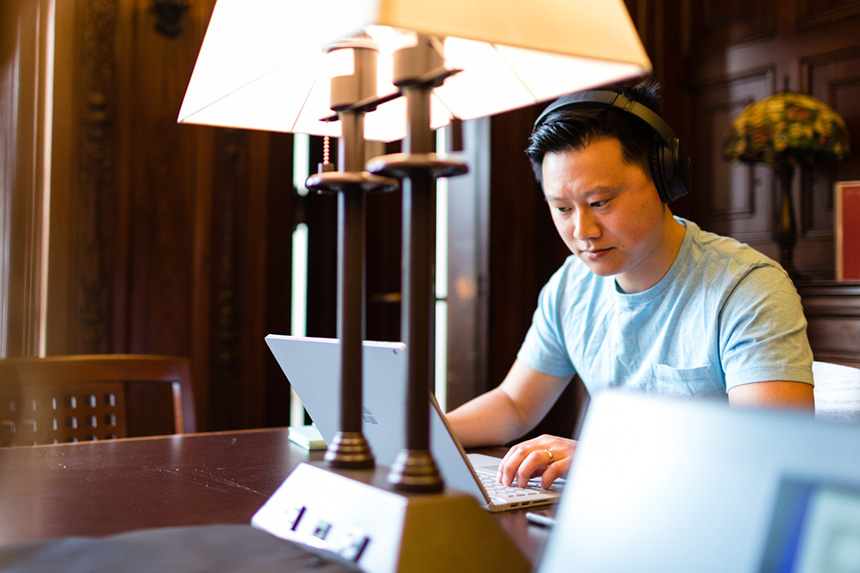
According to the Bureau of Labor Statistics, over 18 million people in the US worked in an office or administrative role during 2023. For most of these individuals, much of their work is done on a computer with many hours looking at a screen. Reading on a screen typically increases eye strain because letters are not as defined and contrast is reduced.
Viewing a screen for extended time makes your eyes tired and can even increase dry eye symptoms because you don’t blink as often.
As noted by vision health expert and NECO alumna Dr. Sharmin Habib ’09, “Continuous focus on screens decreases blink rate by nearly 70%! This leads to a reduced release of protective oil onto our tear film, increasing evaporation and dry eye symptoms.”
Additionally, our blinks serve as tiny rest periods for our brain to process information, and reduced blinking can lead to lower productivity and mental overwhelm.
Workplace Vision Challenges
Several factors in the workplace can contribute to vision and eye discomfort:
- Lifestyle factors: Dehydration, poor nutrition, inadequate sleep, and stress can decrease our body’s ability to produce and protect tears. Our tear production glands work most optimally when we are in a calm and relaxed state.
- Workspace ergonomics: Improper screen height or distance can force the eyes and neck into unnatural positions, causing discomfort.
- Improper lighting: Harsh overhead lighting or excessive screen brightness can increase glare, making it harder for the eyes to adjust.
Protect Your Vision
The 20-20-20 Rule
One common rule of thumb to consider is the “20-20-20 rule.” This consists of looking away from your screen every 20 minutes, looking at an object that is 20 feet away for at least 20 seconds. By focusing on something a little further away, you can help relax the eye muscles that focus on close-up objects and strengthen the muscles that focus on things further away.

This simple trick can help prevent eye strain and keep your eyes stronger for longer. Additionally, remembering to move your eyes from the screen helps you blink and better lubricate your eyes. The AOA also recommends you take a full 15-minute break from any screen or close-work after two continuous hours.
Therapeutic Micro-Breaks
Research conducted by Dr. Habib found that employees integrating two 12-minute daily therapeutic micro-breaks with hot-cold therapy was highly effective in improving ocular comfort while on screens, reducing dry eye symptoms, enhancing contact lens comfort and wear time, as well as improving sleep quality and reducing anxiety levels.

Workspace Adjustments
Making adjustments to your workspace can significantly support vision health:
- Position screens slightly below eye level and at an appropriate distance (approximately 25 inches) to reduce strain
- Stay hydrated and consider using a humidifier in dry environments to maintain tear film health
- Incorporate a healthy screen-free wind-down routine after work hours to help rest the eyes and mind
Blue Light Filtering Lenses
There is a lot of information out there about these lenses and if they really work or not. While some individuals report subjective relief from eye strain when using these lenses, the research remains mixed.
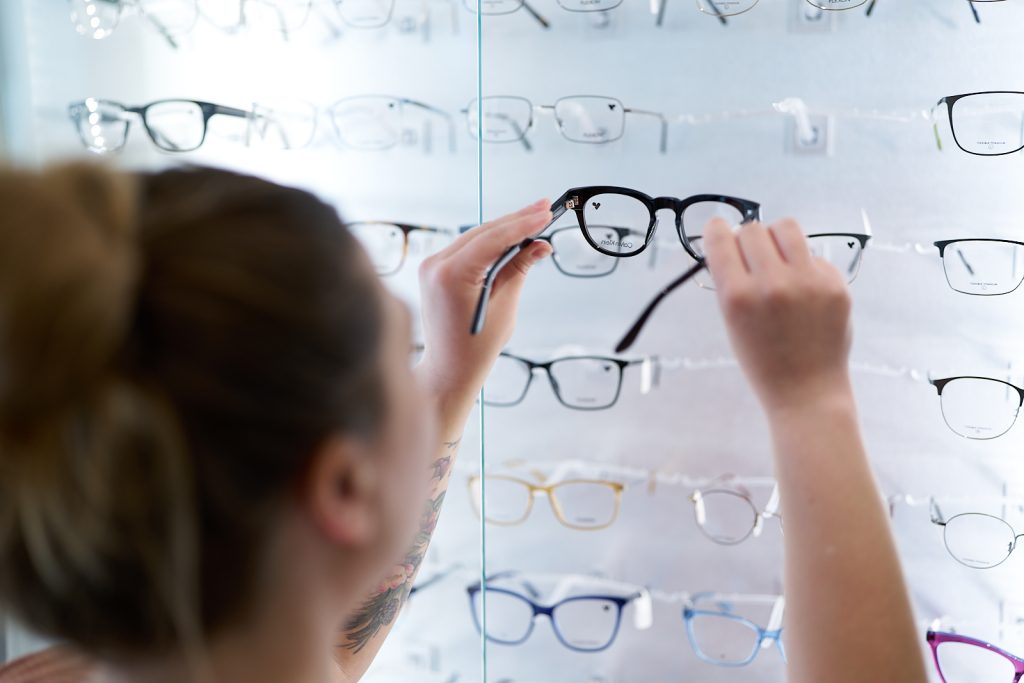
“Large-scale studies, including those from the American Academy of Ophthalmology and the National Eye Institute, have not shown significant objective benefits in preventing digital eye strain,” says Dr. Habib.
Digital eye strain appears to be more closely linked to visual behavior (such as blink rate, screen distance, and contrast levels) and extended screen time rather than blue light exposure alone.
Adjusting screen brightness, taking therapeutic micro-breaks, and maintaining a healthy wake-up and wind-down routine are considered more effective strategies than relying solely on blue-light-blocking lenses.
These filtering glasses should not be viewed as a standalone solution for digital eye strain.
It’s worth noting that blue light exposure timing matters: blue light in the morning is actually beneficial for proper functioning of our bodily systems and stimulating wakefulness, while limiting blue light exposure prior to bed helps minimize impact on sleep.
Higher Risk Job Settings
Work environments like construction sites, healthcare, and auto garages present higher risk for eye injury and vision damage. Keeping your eyes safe in these settings can be done in a few simple steps.
Remember to wear safety glasses when dealing with flying particles or debris, and don’t forget to have them wrap around the sides too. Knowing your workplace’s OSHA and safety standards is key to protecting your vision.

If your work day involves hazardous liquids or materials, make sure to bring thick safety goggles or face shields that are stronger than your normal glasses. You can request prescription safety glasses or goggles from your optometrist at any time.
If something does come into contact with your eyes, make sure you properly flush your eyes either at a safety station or with clean water. The AOA recommends 15 minutes of rinsing. Knowing where any water stations are is just as important as preventative care.
Lastly, don’t forget your sunglasses if you’re working outside in bright areas. Protecting your eyes from sunlight is important to keeping your vision healthy and preventing unnecessary vision loss.
Expert Advice
Dr. Habib is not only a NECO grad, but also Co-Founder of ‘Umay,’ a patented device that may alleviate eye strain. The technology was developed after years of thermal therapy research with a focus on restoring eye health. Her research has found that eye health is an integral part of overall well-being, and small, consistent habits can make a significant difference in preventing discomfort and long-term damage.

- Prioritize mental rest, not just screen breaks.
- Get outside early. Exposure to blue light from the sun early in the morning can help get our circadian rhythm on the right track.
- Understand the impact of stress on eye health. Chronic stress can exacerbate dry eye symptoms and contribute to ocular fatigue as it increases cortisol and decreases the body’s ability to produce and protect tears.
- Improve sleep quality. Quality sleep is crucial for tear film regeneration and visual function. Poor and inconsistent sleep patterns at night can worsen symptoms of digital eye strain during the day.
If you are concerned with any damage to your eyes or making sure your vision is performing at its best, call your optometrist and book a comprehensive eye exam today. NECO Center for Eye Care has appointments with specialists who can help keep your eyes healthy in any workplace.
Learn More About Your Eyes

